
I Have a Car With No Title. Is It Worth Trying to Get One?
10/16/2026 · Ride Legal
If you find yourself saying, 'I have a car with no title. Is it worth trying to get a new title?' the answer is yes whenever the vehicle or powersport asset is valued over $1,500, as obtaining title documentation routinely recovers 30% to 50% in market resale value compared to selling as scrap or parts. The total cost to resolve ownership paperwork typically spans $150 to $650, making title recovery a sound financial decision for most running machines.
In This Guide
- When Is Replacing a Missing Title Worth the Money?
- What Happens If a Seller Does Not Sign the Title?
- How Do You Replace a Missing Vehicle Title?
- What Are the Risks of an Unsigned Vehicle Title?
- How Do Bonded Titles and Out-of-State Registrations Compare?
- Frequently Asked Questions
When Is Replacing a Missing Title Worth the Money?
Replacing a missing vehicle title is worth the investment whenever the resale value of the running machine exceeds the cost of paperwork resolution and administrative fees. Vehicles sold without proper paperwork routinely suffer a discount of 40% to 60% on secondary markets because prospective buyers cannot verify ownership or establish street-legal registration.
A vehicle title functions as the primary certificate of ownership established by state administrative bodies. Without this vital registration document, you cannot obtain insurance policies from leading national underwriters, transport the unit across state lines without confiscation risks, or transfer ownership transparently. Whether dealing with a vintage cruiser, a track build, or an off-road buggy, clearing the paperwork barrier immediately unlocks maximum equity.
Consider the core financial thresholds before initiating a title recovery process:
- Asset Value Under $1,000: If the unit requires major mechanical repairs and holds low scrap value, the bonded title cost may exceed market return.
- Asset Value Between $1,500 and $5,000: Resolving the paperwork routinely increases market valuation by $800 to $2,200, yielding a strong return on paperwork costs.
- Bespoke and Collector Assets ($10,000+): High-value machines, vintage side-by-sides, and rare sport bikes require pristine ownership records to maintain auction status and asset appreciation.
Before spending money on parts, checking ownership history is essential. You can run a background check through our VIN check service to verify that no active theft flags or unreleased financial liens compromise the vehicle.
What Happens If a Seller Does Not Sign the Title?
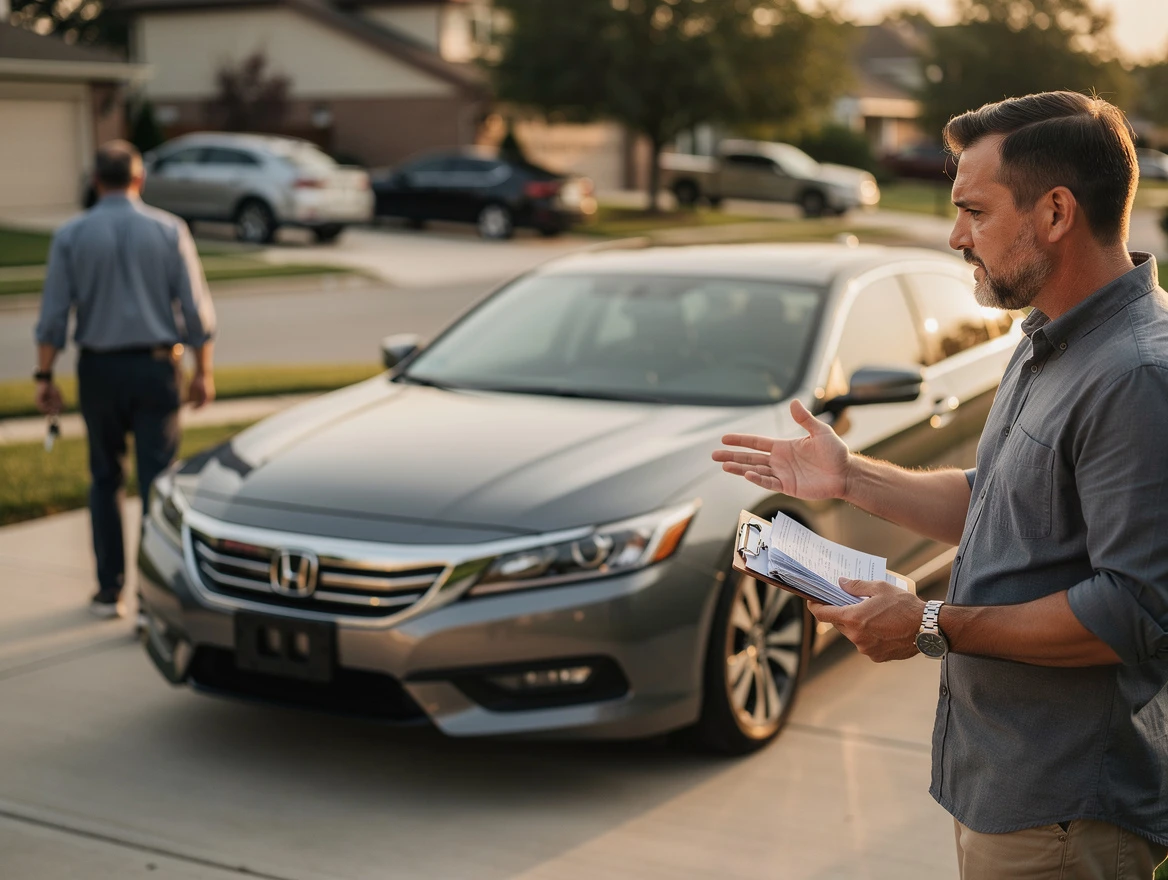
An unsigned vehicle certificate invalidates an attempted ownership transfer and leaves the buyer with an open title that state motor vehicle agencies will immediately reject. When a private party transaction concludes without proper signatures, state agencies consider the prior owner of record the sole legitimate owner.
Ready to register your vehicle?
Join thousands of vehicle owners who use Ride Legal to handle their registration quickly.
Start Your Bespoke Registration →
Understanding How to Resolve a Situation Where the Seller Forgot to Sign the Title helps buyers avoid prolonged bureaucratic disputes. If the previous owner neglected to sign the transfer block, the simplest remedy involves contacting them to sign a formal bill of sale and title duplicate application. If the seller moves away or refuses contact, buyers must pivot toward a state-mandated surety bond process or remote registration paperwork support.
Whenever a seller sells a vehicle without signing their name on the assigned document, they commit a violation known across the industry as title jumping. This practice creates severe ownership ambiguities that prevent buyers from establishing street-legal road credentials.
If you encounter title roadblocks during purchase, studying the procedures in How to Buy a Car Without a Title: What Owners Need to Know outlines protective paperwork actions to secure before handing over funds.
How Do You Replace a Missing Vehicle Title?
Replacing a missing vehicle title requires proving chain of ownership through bills of sale, passing a certified VIN physical inspection, and submitting formal title applications to an authorized state agency. When prior paperwork records are lost completely, filing for a bonded certificate of title provides the primary statutory pathway forward.
The administrative process follows sequential compliance milestones:
- Obtain a Certified Physical VIN Inspection: Local law enforcement officers or certified state inspectors inspect the frame stamp and public VIN badge to verify serial numbers against national theft databases maintained by the NHTSA VIN Lookup registry.
- Establish Value and Purchase a Surety Bond: Contact a licensed surety underwriter to purchase an indemnity bond, usually set at 1.5 times the appraised vehicle market value, which protects against future ownership claims.
- Submit Administrative Paperwork: File the bond certificate, notarized bills of sale, and state affidavit forms directly with regulatory offices such as the Montana Motor Vehicle Division or your home state division.
- Receive the Replacement Document: The state reviews verification files and mails a state-issued certificate of title to your address within 3 to 8 weeks.
Riders seeking clarity on missing powersport documentation can review Have a Motorcycle With No Title? Here’s How to Get One for brand-specific frameworks. In cases where the previous owner cannot be found, remote paperwork support makes the process significantly smoother.
A more detailed breakdown of state requirements is available in How to Title a Vehicle Without a Title: Compliance Options and Documents Needed. This resource explains state-specific forms, notarization standards, and titling thresholds.
What Are the Risks of an Unsigned Vehicle Title?

Possessing an unsigned vehicle title leaves buyers vulnerable to civil asset forfeiture, impoundment, and an inability to secure street-legal collision insurance. Without a completed transfer signature, the buyer cannot establish an unbroken legal chain of ownership under state commercial codes.
If the prior registered owner encounters tax liens or lawsuits, financial creditors can theoretically place levies against vehicles whose titles remain recorded in that seller's name. Additionally, state law enforcement agencies treat operating a machine with an out-of-state motorcycle title in open status as an unregistered vehicle violation, carrying citations ranging from $150 to $500.
Collectors managing rare machinery often face unique risks when paperwork chains break down. Reviewing Why Classic Car Collectors Are Protecting Their Investments with Proper Titling clarifies why maintaining valid registration shields substantial capital. Learning Do I Need a POA to Register My Car? State Rules Explained reveals how limited POA documents resolve stubborn dealer gaps.
How Do Bonded Titles and Out-of-State Registrations Compare?
Choosing between a bonded title filing and out-of-state holding entity registration depends on your timeline, local state bonding restrictions, and the total value of your machine. While bonded titles resolve ownership locally over a three-year probationary period, out-of-state administrative solutions provide permanent, non-branded ownership structures in weeks.
A surety bond guarantees financial compensation to any previous owner who emerges with a superior ownership claim during the statutory bonding window, which lasts between 3 and 5 years depending on state statutes. Conversely, structured asset registrations completed through jurisdictions like Montana establish clean business ownership records for specialty machines without long bond probations.
Compare your available title restoration pathways below:
| Titling Pathway | Average Cost | Processing Timeline | Title Status | Primary Consideration |
|---|---|---|---|---|
| Bonded Title Filing | $250 - $700 | 6 to 10 Weeks | Bonded (3-5 Years) | Requires surety bond purchase and strict inspection approval |
| Seller Title Replacement | $20 - $80 | 2 to 6 Weeks | Clean Title | Requires active cooperation from previous owner of record |
| Bespoke Out-of-State Setup | $800 - $1,400 | 2 to 4 Weeks | Permanent Registration | Ideal for elevated powersports, custom builds, and unique assets |
| Salvage or Scrap Dismantling | $0 | Immediate | Junk / Parts Only | Permanently relinquishes all street-legal operating privileges |
For individuals weighing whether a machine should simply be liquidated for raw metal, reading No Title Needed: How, Where, and Why to Scrap a Car provides practical valuation comparisons. If preserving road access is your goal, partnering with a dedicated service makes the entire journey effortless.
Owners exploring online management can learn how our modern platform works by reading How a Motorcycle Registration Service Online Simplifies Ownership. From rare custom motorcycles to off-road buggies, we provide paperwork support that saves you countless hours.
When you are ready to secure street-legal credentials for your ride, you can look at Extraordinary Vehicles and our bespoke ownership options, or simply start your registration through our secure client portal.
Frequently Asked Questions
Can you get a title for a vehicle that has never had one?
Yes, you can obtain a title for a vehicle that lacks prior documentation by applying for a bonded title or registering through states like Montana or South Dakota that accommodate older and specialty units. You will need a bill of sale, a certified VIN inspection, and a surety bond matching state requirements.
What should you do if the seller forgot to sign title paperwork?
If the previous owner neglected to sign the title, track down the seller immediately to request an updated signature or an official bill of sale. If they are unreachable, you must pursue a title replacement, a bonded title filing, or seek assistance through private registration specialists.
Can you insure a vehicle with an unsigned vehicle title?
Most major insurance carriers decline full coverage policies for vehicles lacking a valid title or carrying an open title. While some underwriters issue temporary liability coverage using a bill of sale, you cannot obtain collision or complete protection until the state issues title documents in your name.
How much does a surety bond cost for a bonded title?
A surety bond for a vehicle title typically costs between $100 and $250 for vehicles valued under $10,000. For high-value motorcycles or specialty powersports, bond companies usually charge 1.5% to 2% of the required bond amount, which states set at 1.5 times the vehicle appraisal value.
How long does a bonded title take to clear?
The state bonded title approval process usually takes four to eight weeks, depending on agency processing speeds and lien search backlog. Once issued, the surety bond remains attached to the title record for three to five years before converting into a standard, clean title certificate.
Stay Updated
Get the latest on registration tips, LLC insights, and exclusive offers.
No spam. Unsubscribe anytime.
This is not legal or financial advice. Please consult your CPA/Attorney for all legal and financial guidance. Ride Legal is a privately owned website and is not operated by any government agency.