Does Montana Allow Electronic Proof of Insurance? (2026)
09/29/2026 · Ride Legal
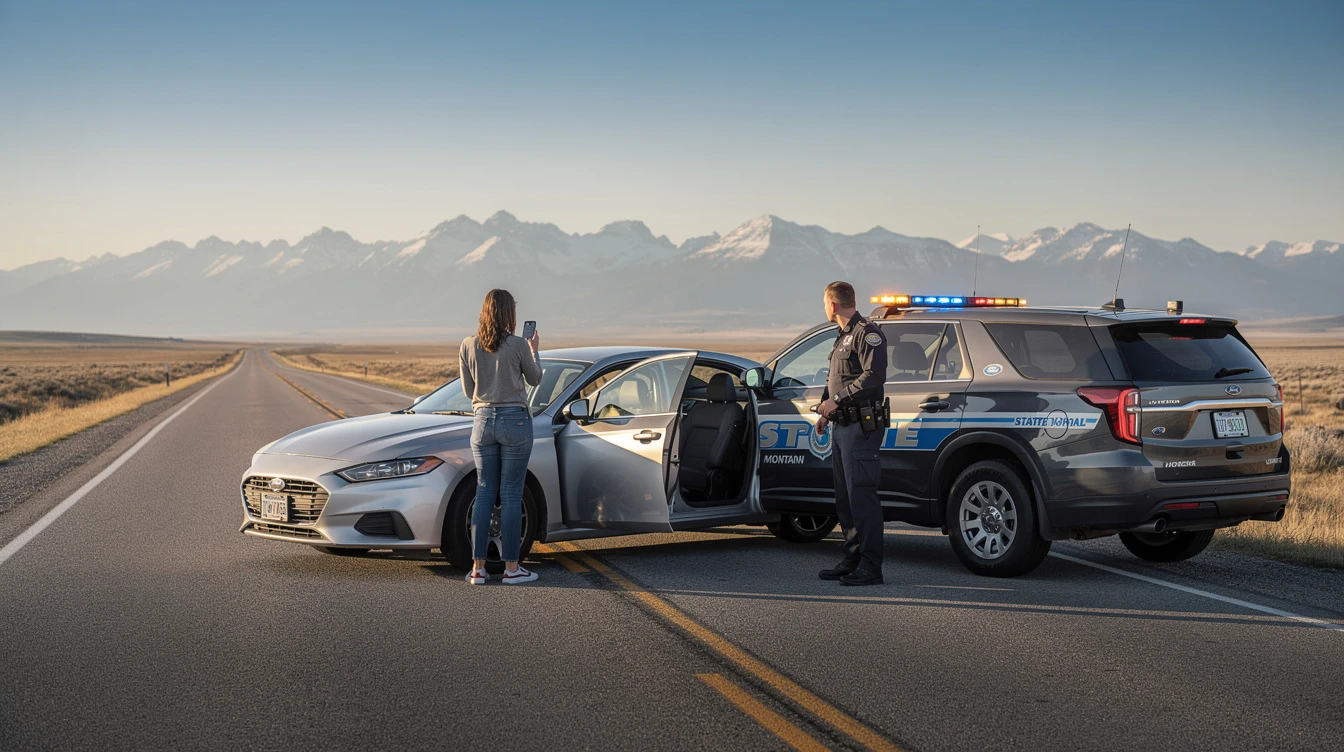
Yes, does Montana allow electronic proof of insurance for car insurance and motorcycle policies? Under Montana Code Annotated § 61-6-302, Montana permits drivers, riders, and fleet operators to present electronic proof of insurance on any portable electronic device during traffic stops. State highway patrol officers, municipal police, and county sheriffs accept digital insurance cards, official insurer mobile apps, and electronic binder documents as compliant proof of financial responsibility.
Whether you command a bespoke touring motorcycle, an elevated street-legal powersport machine, or an asset titled under a Montana corporate entity, digital proof satisfies all statutory requirements. You do not have to keep a physical paper card inside your machine, provided your mobile screen displays policy details clearly upon request.
This guide explains exact electronic verification standards, officer interaction boundaries, phone privacy protections, and titling compliance under Montana law.
Start Your Bespoke Registration →
Montana Statute MCA 61-6-302 Confirms Does Montana Allow Electronic Proof of Insurance for Car Insurance Policies
Montana modernized its motor vehicle financial responsibility laws to align with digital standards across the United States. Under Montana Code Annotated § 61-6-302, drivers and motorcycle riders can show insurance coverage using an electronic device. The statute defines valid proof as an electronic identification card issued by an insurance provider that displays policy details on a phone, tablet, or portable monitor.
Carrying paper cards in motorcycle jackets or off-road machine storage bags often leads to water damage, lost slips, or misplaced renewals. Digital cards solve this problem completely. As long as your insurer participates in standard digital policy issuance, state law treats your mobile display with the same weight as a physical card stamped by an underwriter.
The state regulatory framework operates through the Montana Motor Vehicle Division, which manages licensing and vehicle titling requirements statewide. When operating any machine registered in Montana, maintaining continuous insurance coverage remains mandatory under state law.
What Does Montana Code Annotated 61-6-302 State About Digital Insurance?
Montana Code Annotated § 61-6-302 explicitly states that a driver or operator may present proof of insurance through an electronic device. The document must display the insurer name, policy number, effective dates, and vehicle identification details. State troopers, local officers, and court personnel are required by statute to accept this digital verification without demanding a paper counterpart.
Which Digital Insurance Proof Formats Are Compliant in Montana?
Montana law accepts three primary electronic formats during an enforcement check:
- Mobile applications: Direct policy screens presented through your insurance company mobile app.
- Digital wallet cards: Verified insurance passes saved inside Apple Wallet or Google Wallet.
- PDF policy documents: Downloaded digital insurance identification cards or official binders saved directly to device storage.
Screenshots of an active card are generally tolerated by roadside officers if all policy details match and the dates remain current, though opening an active application or verified digital wallet pass is preferred by law enforcement.
Does Montana Electronic Insurance Law Apply to Out-of-State Drivers and Riders?
Yes, Montana reciprocity statutes recognize valid insurance coverage and electronic verification from any carrier compliant in the home jurisdiction of the policyholder. If you ride an elevated motorcycle or operate a street-legal powersport vehicle while visiting Montana from another state, presenting your home state digital insurance card on your mobile screen satisfies Montana highway standards.
For owners seeking management across state lines, utilizing our street-legal registration assistance makes remote ownership straightforward and compliant.
Roadside Encounters: Does Montana Allow Electronic Proof of Insurance for Car Insurance on Mobile Screens?
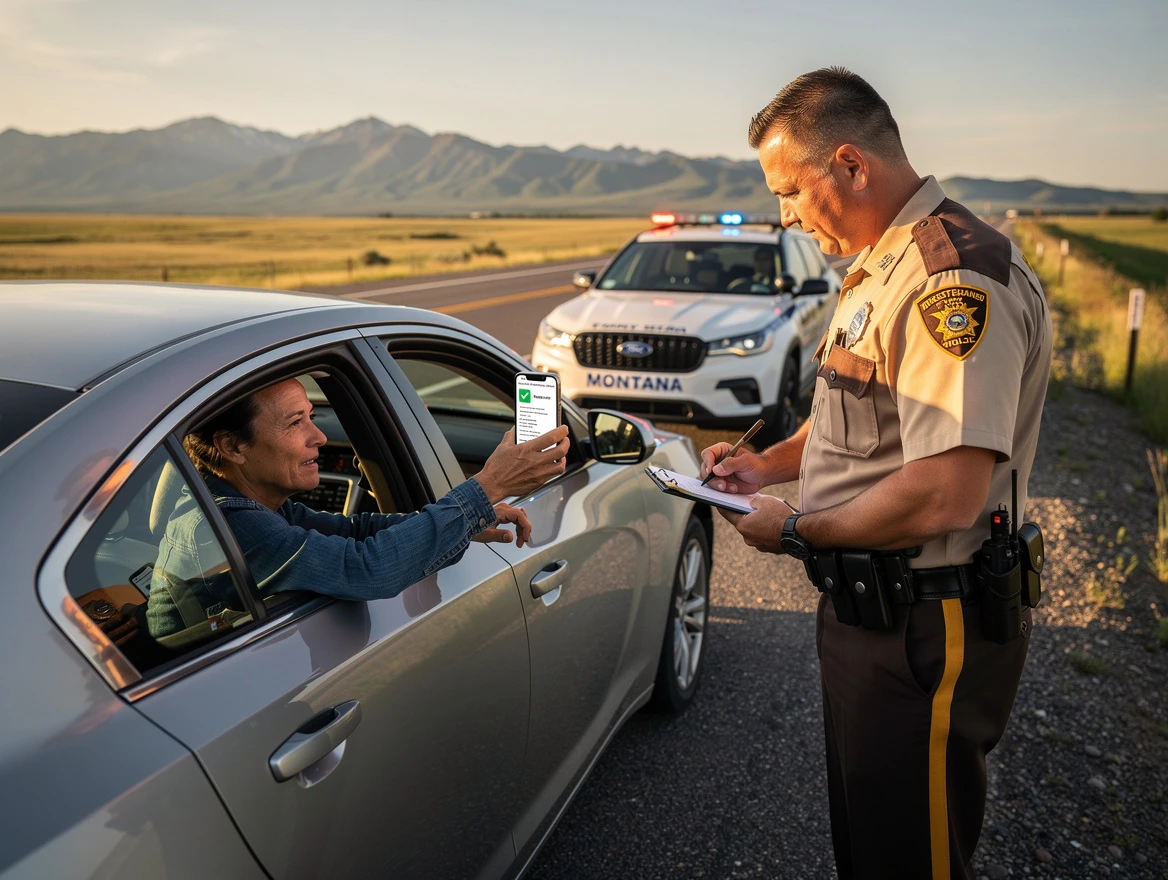
Knowing that digital cards are compliant is helpful, but handling a roadside stop requires practical diligence. Does Montana allow electronic proof of insurance for car insurance during an active law enforcement stop without exposing personal data? Yes, but specific boundaries protect both the operator and the officer.
Ready to register your vehicle?
Join thousands of vehicle owners who use Ride Legal to handle their registration quickly.
Start Your Bespoke Registration →
When stopped by a Montana Highway Patrol officer or local deputy, inform the officer politely that your proof of insurance resides on your mobile phone before reaching into your pockets or console. Having the file downloaded locally prevents connectivity problems in Montana rural mountain passes where cell towers are scarce.
A more detailed breakdown is available in Why Smart Asset Owners Treat Insurance Like Preventive Medicine, Not Emergency Care. That guide explains why maintaining organized digital binders protects high-value asset owners from unnecessary roadside citations.
What Happens During a Montana Traffic Stop When Showing Electronic Proof?
During a traffic stop, the law enforcement officer will request your driver license, vehicle registration document, and proof of financial responsibility. Once you open your insurer application or digital wallet, hold the screen up for the officer to inspect or hand the phone over if requested. The officer verifies the policy number, effective coverage dates, and machine identification against state records.
Does Showing Proof of Insurance on Your Phone Permit Police to Search It?
No. Montana law specifically protects motorists from unwarranted digital searches during an insurance check. Handing your electronic device to an officer solely to display proof of insurance does not grant consent for law enforcement to search other contents of the device. Officers are prohibited by privacy protections from opening messages, photos, web history, or other apps on your phone.
What Happens If Your Phone Battery Dies Before You Can Show Proof?
If your device battery fails, the screen breaks, or lack of cellular data prevents the card from loading, you can be cited for operating without proof of insurance. Montana law places the burden of proof strictly on the operator at the moment of the stop. While you can later dismiss the citation in municipal or justice court by presenting proof that the policy was active on that date, court administrative fees may still apply. Keeping a secondary offline PDF or a backup printed card is a smart safeguard.
Registration and Fleet Standards: Does Montana Allow Electronic Proof of Insurance for Car Insurance and Exotic Assets?
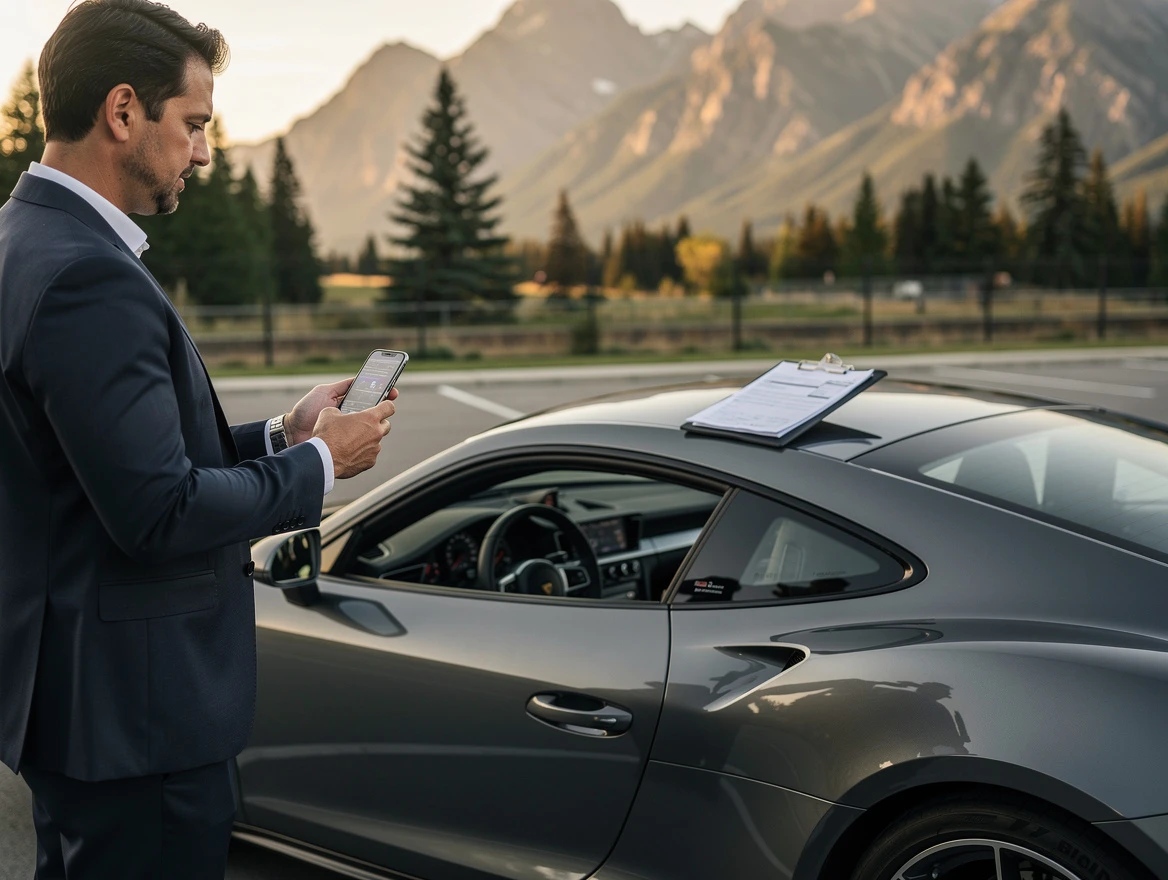
Montana remains one of the premier jurisdictions in the country for titling bespoke vehicles, classic collections, and street-legal powersports. Many collectors ask, does Montana allow electronic proof of insurance for car insurance and high-value motorcycle fleets held inside a corporate entity? The answer remains yes, provided the named insured aligns accurately with the title holding structure.
When registering high-value machines or custom street-legal UTVs, maintaining continuous coverage under a specialized commercial or personal policy is vital. Look, mistakes happen when owners fail to name their Montana LLC on the declaration page, causing verification issues with county clerks or during traffic stops.
Review the complete insights in Your Exotic Car's Insurance Is Only as Strong as Its Registration to understand how policy structures and titling documents interact.
How Does Electronic Proof of Insurance Work for Montana LLC Registered Vehicles?
When an asset is titled under a Montana corporate entity, the insurance policy must identify the company as the named insured or as an additional interested party. Digital insurance cards issued under the company name are fully recognized by Montana courts and county registration offices. You can verify your corporate structure anytime via the Montana Secretary of State, Business Entity Search.
If you title a bespoke motorcycle or specialty vehicle through an LLC, you can present your digital insurance certificate directly through your insurer portal showing your business entity as the policyholder. For full remote processing, our specialists handle the complete paperwork trail via VIP Ownership titling solutions.
Why Are Supercars Registered in Montana Alongside Exotic Powersports?
Asset collectors frequently wonder why are supercars registered in montana alongside bespoke motorcycles and high-performance machines. Montana levies zero state sales tax, does not require emissions testing, and offers permanent registration for light vehicles eleven years old or older. Owners who form Montana LLC structures compliantly manage their personal fleets without punitive annual property taxes.
To dive deeper into this tax structure, read Montana Exotic Car Registration: No Sales Tax, Simplified Process for High-Value Vehicles. Enthusiasts looking to convert powersport equipment for road compliance should also review How to Make a UTV Street-Legal by State: Complete Guide and check neighboring state rules like Can You Make a UTV Street Legal in South Dakota?.
What Registration Documents Should You Keep With Your Montana Proof of Insurance?
In addition to digital insurance proof, operators should keep their Montana vehicle registration receipt, proof of corporate entity standing, and a valid driver license readily accessible. If your machine recently underwent a Montana VIN inspection or title transfer, keeping digital copies of these records saved in a secure cloud folder guarantees prompt roadside verification.
Collectors titling unique builds should consult Here’s How to Title a Track or Parts Motorcycle, while those managing extensive collections can review Why Classic Car Collectors Are Protecting Their Investments with Proper Titling and Can Someone Handle Vehicle Registration for You? A Concierge Guide for Multi-State, RV, Exotic, and Collector Vehicle Owners.
| Proof of Insurance Format | Montana Compliant (MCA 61-6-302) | Requirements / Limitations | Optimal Scenario |
|---|---|---|---|
| Mobile Carrier Application | Yes | Requires device battery and occasional active login | Primary everyday roadside verification |
| Digital Wallet Pass (Apple / Google) | Yes | Works completely offline without active cellular data | Riding through remote mountain areas |
| Saved PDF Policy Binder | Yes | Must show current effective dates, VIN, and policy number | Corporate LLC registrations and fleet assets |
| Physical Printed Paper Card | Yes | Subject to fading, tearing, or water damage | Backup document in machine glove box |
See How We Support Your Montana Vehicle Paperwork →
Frequently Asked Questions About Montana Insurance and Registration
Does Montana allow electronic proof of insurance?
Yes, Montana explicitly allows electronic proof of insurance under Montana Code Annotated § 61-6-302. Drivers, motorcycle operators, and commercial fleet managers can display an electronic version of their insurance card on a smartphone, tablet, or other mobile digital display. Montana law enforcement agencies, including the Montana Highway Patrol and county sheriffs, accept digital wallet passes, insurer mobile app screens, and downloaded PDF documents as valid proof of financial responsibility during any roadside check or traffic encounter.
How do you start a Montana LLC for vehicle registration?
Starting a Montana LLC for vehicle registration requires selecting a unique corporate name, appointing a registered agent physically located in Montana, and filing formal Articles of Organization with the Montana Secretary of State. Once the state approves your entity, the company can purchase, title, and register motor vehicles, motorcycles, and powersports. Working with private registration specialists simplifies this entire workflow, as we assist with filing your organizational paperwork, obtaining federal EIN documents, and managing out-of-state.
Can you register a vehicle in Montana without a Montana driver license?
Yes, you can register a vehicle in Montana without a Montana driver license by forming a Montana LLC. Because a corporation is a distinct entity residing in Montana, the LLC acts as the owner of the vehicle. Out-of-state residents do not need a personal Montana driver license, state residency, or local residential address to title assets under their company. The registration documents, license plates, and title certificates are issued directly in the name of the Montana corporate entity.
Does an antique car need insurance to register in Montana?
Yes, antique, classic, and collector vehicles must maintain continuous liability insurance to be operated on public roadways in Montana. While Montana offers permanent registration plates for vintage machines and light vehicles older than eleven years, registration compliance mandates proof of financial responsibility. When registering your classic machine or vintage motorcycle, you must confirm active liability insurance coverage that meets or exceeds Montana statutory minimum liability thresholds, whether displayed physically or via an electronic card.
Can you register a vehicle in Montana without living there?
Yes, individuals who do not reside in Montana can register vehicles compliantly through a Montana LLC structure. Under state statute, an entity formed in Montana is a resident of the state, possessing full statutory rights to own, title, and register motor vehicles through county treasurers. Non-resident owners form an LLC with a registered agent in Montana, which serves as the owner on all title paperwork, eliminating personal residency requirements.
Why do people register cars and vehicles in Montana?
Asset owners and collectors register vehicles in Montana primarily because the state levies zero percent sales tax on vehicle purchases, saving thousands of dollars on elevated builds, motorcycles, and collector fleets. Montana imposes no annual personal property taxes on titled motor vehicles, requires no recurring emissions inspections, and permits permanent registration on vehicles aged eleven years or older. This framework provides significant administrative simplicity and cost savings for enthusiasts nationwide.
What should you do if an officer refuses electronic proof of insurance in Montana?
If a law enforcement officer refuses your digital insurance card in Montana, respectfully cite Montana Code Annotated § 61-6-302, which mandates acceptance of electronic proof. Do not escalate roadside friction. If the officer issues a citation for failure to carry insurance, take a screenshot of your active coverage timestamped at the moment of the stop. You can present this documentation alongside statutory text to the municipal court clerk or prosecutor to have the ticket dismissed before your court date.
Look at VIP Ownership Solutions Today →
In short, understanding does Montana allow electronic proof of insurance for car insurance and specialty vehicle fleets gives owners complete peace of mind on the open road. State statute MCA 61-6-302 safeguards your choice to display proof digitally on any mobile device while protecting your personal phone data from unwarranted searches. When pairing digital coverage with Montana asset protection, collectors achieve efficient, compliant, and cost-effective vehicle ownership across every mile. For complete guidance on titling your machine remotely, start your registration with our dedicated specialists today, or look into our partner at Dirt Legal, Montana Vehicle Registration to review multi-state titling options.
Stay Updated
Get the latest on registration tips, LLC insights, and exclusive offers.
No spam. Unsubscribe anytime.
This is not legal or financial advice. Please consult your CPA/Attorney for all legal and financial guidance. Ride Legal is a privately owned website and is not operated by any government agency.