Electric Vehicle Registration Fees: What Riders Need to Know
07/09/2026 · Ride Legal
Electric vehicle registration fees are rising across the US, and powersport owners, including electric motorcycle and e-ATV riders, are feeling the pressure. Several states have introduced or increased annual EV-specific fees that range from $50 to over $200 per year, replacing the gas-tax revenue those vehicles no longer generate at the pump.
Check Your Registration Options →
Why Are States Imposing Higher Registration Fees on Electric Vehicles?
States depend on fuel tax revenue to fund road infrastructure. Electric vehicles sidestep the pump entirely, so states have moved to recover that funding through annual registration surcharges. The logic is straightforward, though the execution varies wildly by state.
- Road funding gap: Federal and state fuel taxes fund highway maintenance. EVs pay zero at the pump.
- Weight-based wear: EV batteries add significant vehicle weight, which accelerates road wear.
- Equity argument: Non-EV owners argue EV drivers should contribute to infrastructure they use.
- Revenue replacement: As EV adoption grows, fuel tax revenue shrinks, making surcharges more politically viable.
For riders and powersport owners, this matters. Electric motorcycles and UTVs now sit in the same regulatory crosshairs as passenger EVs, even though their road impact is far smaller.
Which States Have the Highest EV Registration Fees Right Now?
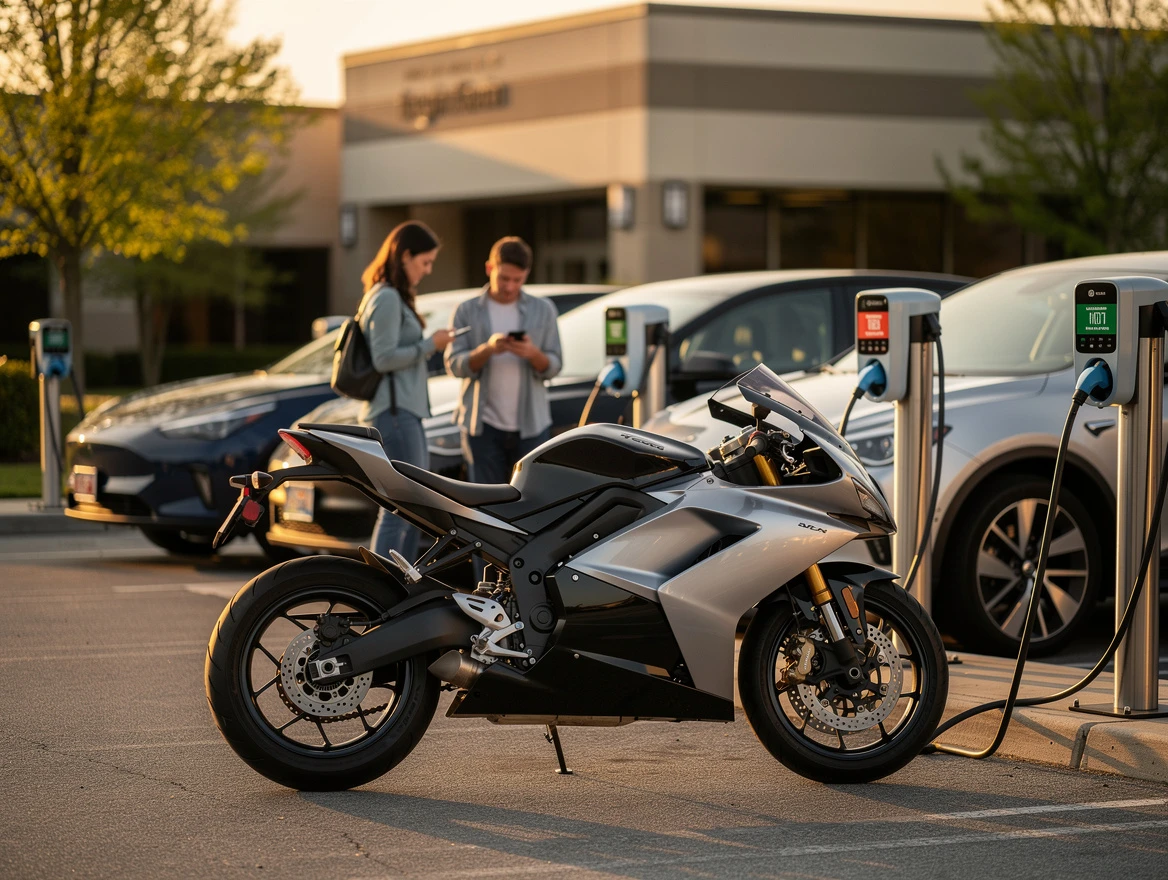
EV surcharge amounts vary dramatically. Some states charge a flat annual fee. Others tier the fee by vehicle weight or type. Here's how the current landscape breaks down for powersport-relevant states.
Ready to register your vehicle?
Join thousands of vehicle owners who use Ride Legal to handle their registration quickly.
Start Your bespoke Registration → →
| State | Annual EV Fee | Applies to Motorcycles? | Notes |
|---|---|---|---|
| Georgia | $216 | Yes (reduced rate) | One of the highest flat EV fees in the US |
| Texas | $200 | Varies by county | Introduced in 2023 for non-commercial EVs |
| Ohio | $200 | Yes | Applies at annual renewal |
| West Virginia | $200 | Yes | Plus standard registration fee |
| Montana | No EV surcharge | N/A | No separate EV fee as of 2025 |
| South Dakota | No EV surcharge | N/A | Low flat registration fees statewide |
| California | $100+ | Yes (prorated) | Annual Transportation Improvement Fee applies |
| Washington | $150 | Partial | Electric Transportation Fee added annually |
Montana and South Dakota remain outliers, with no EV-specific surcharges layered on top of standard registration costs. For owners of elevated-value powersports, those states represent a structurally different cost environment.
Are Electric Motorcycle Owners Treated the Same as Car Owners Under These Fee Structures?
Not always, but the gap is closing. Most states introduced EV fees targeting passenger vehicles first. Motorcycles and powersport vehicles often fell under the same rules by default, or were added in subsequent legislation. The distinction that matters most is vehicle classification.
- Most states classify electric motorcycles as "motorcycles," not passenger EVs, which sometimes means a lower flat surcharge.
- UTVs and ATVs are typically classified separately. Some states don't yet apply EV surcharges to off-highway vehicles at all.
- Street-legal conversions of electric dirt bikes or side-by-sides can end up in ambiguous regulatory territory.
The situation is fluid. Several states are actively revisiting their fee schedules, and new legislation is introduced every session. Riders who own or are considering an electric powersport vehicle should check their specific state's current fee schedule before registering.
For riders who want compliant street-legal registration without the complexity, our Exotic Registration assistance covers the paperwork across multiple states so you're not sorting through it alone.
A thorough breakdown of how Montana's registration structure works for elevated-value vehicles is available in No Sales Tax on Exotic Cars: How Montana LLC Registration Works for High-Value Vehicles, which covers the cost calculus in detail.
Does Montana's Registration Structure Offer Any Advantage for Electric Powersport Owners?
Yes, and it's worth understanding why. Montana has no sales tax, no emissions testing, and no EV-specific surcharges added to registration costs as of 2025. For owners of elevated-value electric motorcycles or UTVs, that combination can represent a meaningful annual cost difference.
- No EV surcharge: Montana does not currently impose an additional annual fee on electric vehicles.
- No emissions inspections: Electric powersport vehicles don't face emissions hurdles in Montana.
- Flat registration structure: Fees are based on vehicle age and weight, not fuel type.
Owners who form a Montana LLC and title their powersport vehicle through that entity use a structure where the LLC, as the registered owner, handles the required filings. We assist with filing your paperwork to register assets through your newly formed Montana LLC. You can read more about how the process works at How to Register Vehicles and Save Thousands on the Dirt Legal resource library.
For riders considering this path, If You're Paying 5-Figure Sales Tax on a Vehicle, You're Giving Up $30K+ in Liquidity outlines the financial case clearly.
Find Out What Your Registration Could Cost →
What Is Required to Register a Modified or Electric Vehicle Across State Lines?
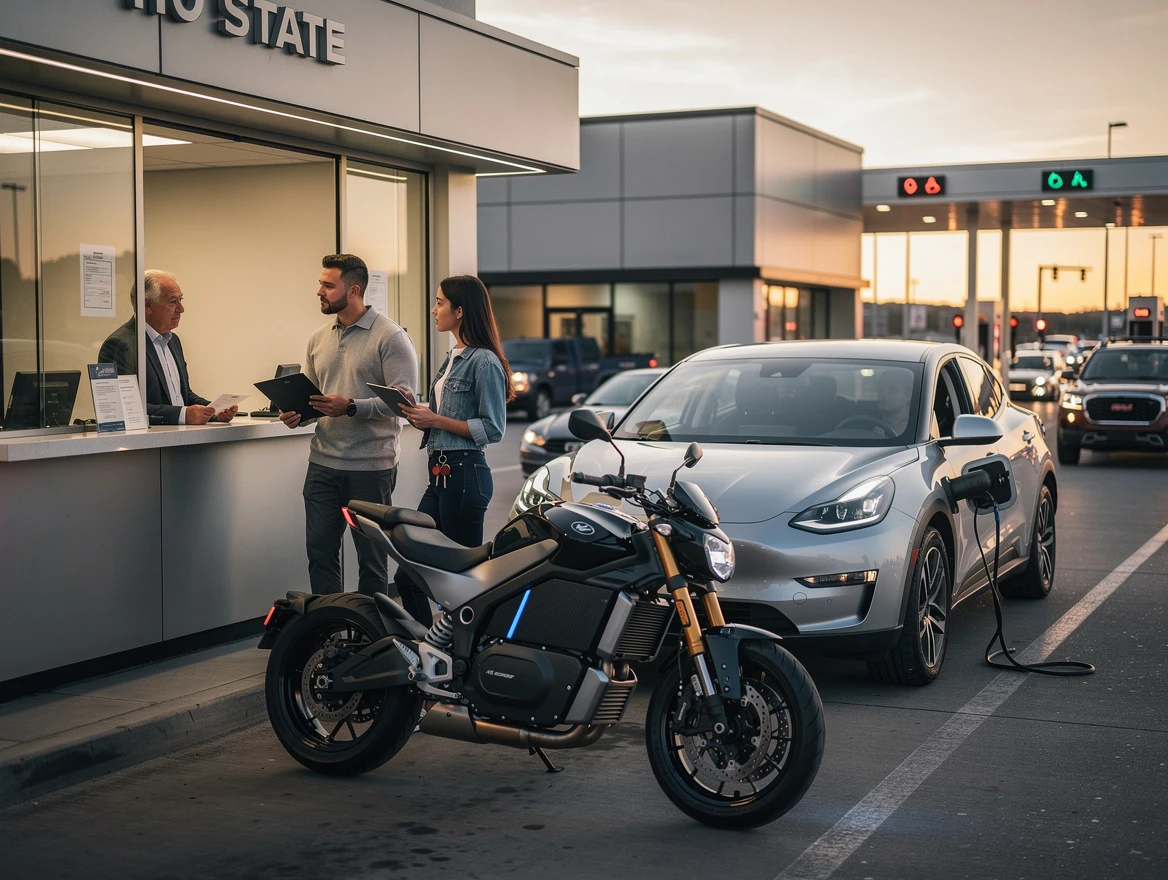
Registering a modified electric powersport vehicle, or one purchased out of state, adds complexity. Requirements differ not just by state but by vehicle classification, modification type, and whether the vehicle was originally titled as street-legal.
- Confirm street-legal status: Verify the vehicle meets your target state's equipment requirements, lighting, mirrors, braking.
- Gather the title and bill of sale: These are required in virtually every state. Get this document right the first time.
- Check the VIN: Out-of-state or modified vehicles sometimes carry VIN discrepancies. Use a VIN check before you start the registration process.
- Identify the correct vehicle class: Electric motorcycles, e-UTVs, and converted vehicles may each fall under different fee schedules.
- Submit to the correct jurisdiction: If registering through a Montana LLC, filings go through Montana, not your home state DMV.
Riders dealing with title complications on modified electric builds can also reference Title Nightmares: Fix Lost Paperwork and Ownership Issues from Dirt Legal, which covers bonded titles and title recovery for complex situations.
Street-legal conversion of off-road electric vehicles has its own set of requirements. Street-Legal Dirt Bikes, UTVs, and Off-Road Conversions: What You Need to Know to Get on the Road is a solid reference for riders going through that process.
Is the Backlash Against EV Registration Fees Justified?
Honestly, the debate cuts both ways. EV owners argue they already pay a higher purchase price, often subsidized by fellow taxpayers, and face charging infrastructure costs that gas drivers don't. Critics argue roads cost money and everyone who uses them should fund them proportionally.
- For the fees: Infrastructure is expensive. Fuel taxes fund it. EVs don't pay fuel taxes. The math is real.
- Against the fees: A flat $200 fee is regressive. A motorcycle contributes far less wear than a two-ton electric SUV. Flat fees don't reflect actual road impact.
- The powersport angle: Electric motorcycles and UTVs are genuinely different from passenger EVs in terms of weight, road use, and infrastructure demand. Applying the same fee structure to both is a blunt instrument.
For powersport riders who own elevated-value bikes, the registration cost is often the smallest variable in ownership. The bigger lever is how and where you register, not just whether a surcharge applies.
Frequently Asked Questions
What states have the highest electric vehicle registration fees?
Georgia ($216), Texas ($200), Ohio ($200), and West Virginia ($200) currently impose the highest annual EV registration surcharges in the US. These fees are added on top of standard registration costs and apply at annual renewal. Montana and South Dakota do not currently impose EV-specific surcharges.
Do electric motorcycles pay the same EV registration fees as cars?
Not always. Many states apply reduced surcharges to electric motorcycles compared to passenger EVs, or classify them differently. UTVs and off-highway vehicles are often excluded entirely. Check your specific state's fee schedule, as classifications and amounts change frequently with new legislation.
Can I register my electric motorcycle in Montana to avoid EV surcharges?
Montana does not currently impose EV-specific surcharges. Owners who form a Montana LLC can title their electric powersport vehicle through that LLC structure. Fees are based on vehicle age and weight, not fuel type. Consult a registration specialist to determine whether this structure fits your ownership situation.
What is required to register a modified electric vehicle with the DMV?
You typically need a clean title, a bill of sale, proof of street-legal equipment (lighting, mirrors, braking), and the correct vehicle classification for your state. Modified or converted electric vehicles may require additional documentation. A VIN check is recommended before starting the process to catch any discrepancies early.
Are EV registration fees a permanent fixture or are states likely to reverse them?
Most states that have introduced EV fees are unlikely to reverse them. As fuel tax revenue declines with rising EV adoption, road-funding pressure will only grow. Several states are actively increasing their fees, not reducing them. Flat annual surcharges are increasingly seen as the political path of least resistance for transportation funding.
Does Montana have sales tax on electric vehicles?
Montana has no state sales tax on any vehicle purchase, including electric vehicles. Combined with no EV-specific surcharge and no emissions testing requirements, Montana's registration cost structure is among the lowest in the US for electric powersport vehicle owners. See the Montana Vehicle Sales Tax breakdown for full details.
This is not legal or financial advice. Please consult your CPA/Attorney for all legal and financial guidance. Ride Legal is a privately owned website and is not operated by any government agency.