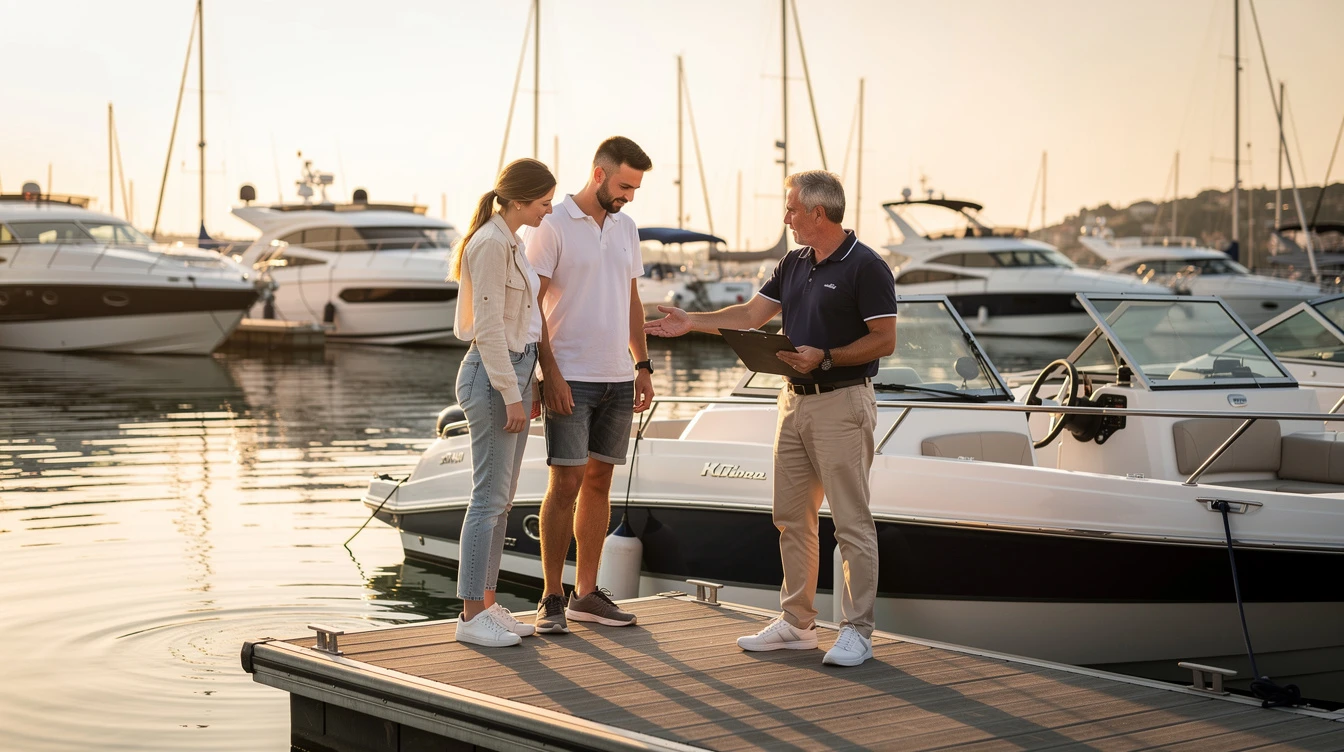
First Time Boat Owners: What Should We Know Before Buying
08/21/2026 · Ride Legal
First time boat owners, what should we know before buying? Before your first purchase, you must account for recurring costs like storage, insurance, and regular maintenance while also ensuring you have a clear plan for your vessel's title and registration. Owning a boat involves significant responsibility that extends well beyond the initial acquisition price, requiring a commitment to safety and regulatory compliance.
Look at VIP Ownership Solutions
Hidden Costs of Ownership Are the Primary Concern for First-Time Boat Owners
The most common surprise for new buyers is the total cost of ownership. Beyond the purchase price, you need to budget for insurance, slip fees, cleaning supplies, and mechanical repairs. Even if you plan to trailer your boat, maintenance on the trailer itself is a frequent, often overlooked expense.
Budgeting for Annual Maintenance and Storage
Storage is often the largest recurring bill. Whether you pay for dry stack storage at a marina, a wet slip, or storage at a self-storage facility, these monthly costs add up quickly. Always confirm if your storage solution includes winterization services if you live in a climate with freezing temperatures.
Insurance Requirements and Liability Coverage
Never operate a vessel without sufficient coverage. Insurance premiums vary based on the value of the boat, its intended usage, and your own experience levels. When looking for coverage, make sure your policy includes salvage operations, which can be astronomically expensive if your vessel sustains damage on the water.
A more detailed breakdown is available in Vessel Titling and Registrations: Essential Guide. This resource covers the critical steps needed to make sure your boat is documented and protected from the moment you take possession.
Understanding Vessel Registration and Title Requirements
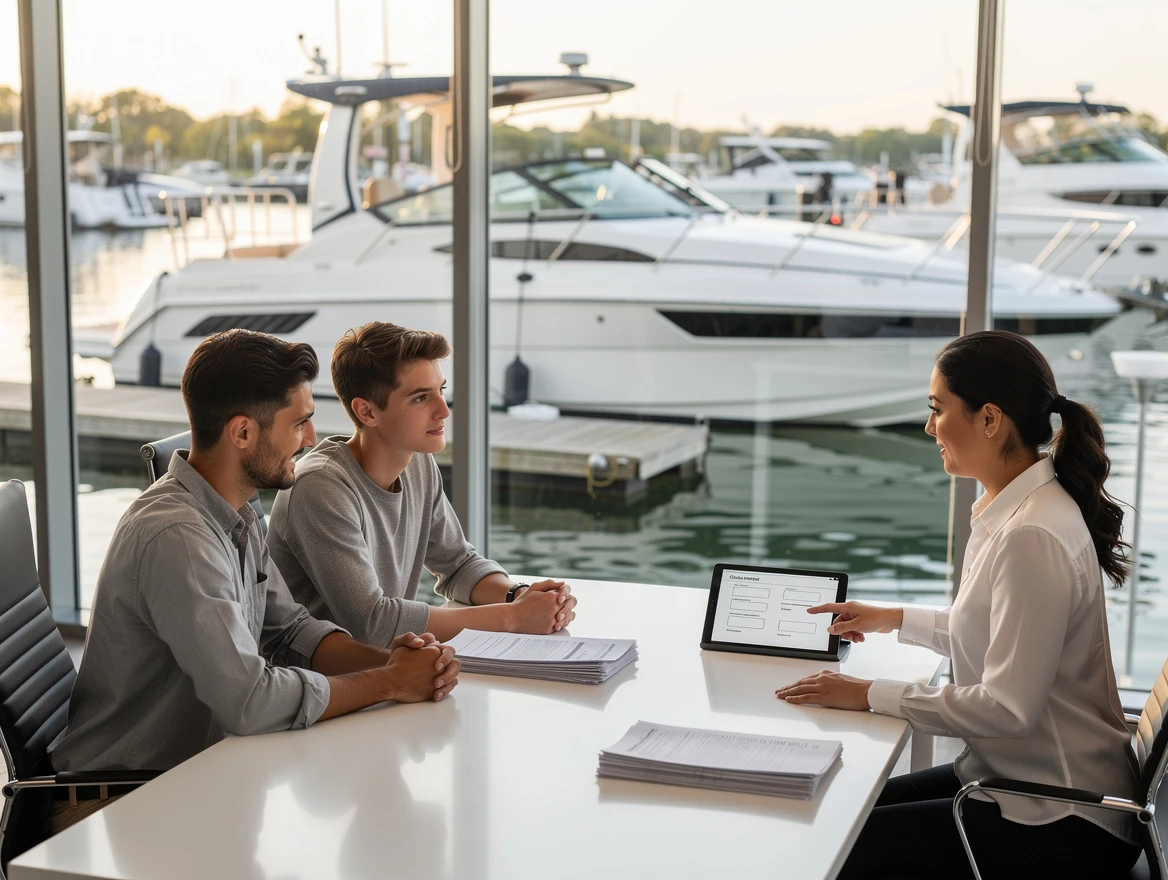
Registering your boat is a vital step in the process. Each state has specific requirements for how long a vessel can remain unregistered, and failing to adhere to these local regulations can lead to fines and potential impoundment. We provide support for your vessel registration paperwork to help you stay compliant across state lines.
Ready to register your vehicle?
Join thousands of vehicle owners who use Ride Legal to handle their registration quickly.
Start Your Bespoke Registration →
Why Title Accuracy Matters
A vessel title is the primary document proving your ownership. If you buy a boat through a private sale, make sure the seller provides a clear, unencumbered title. If there are missing signatures or liens that were not properly released, you will find it nearly impossible to register the vessel in your name later.
Registration Deadlines and Documentation
Registration timelines vary significantly. Most states require you to register your boat shortly after purchase. The team at Ride Legal provides expertise that ensures your documents are processed without common errors like odometer compliance issues. This level of precision is essential for avoiding the delays that frustrate so many new owners.
Safety Equipment and On-Water Protocol
Operating a boat is different from driving a vehicle. Safety gear must be readily available and up to current Coast Guard standards. Life jackets, fire extinguishers, and distress signals are not optional, and their condition must be checked before every trip.
Mandatory Safety Gear Lists
Every boat needs a life jacket for every passenger on board. These must be the correct size for the occupants and in good condition. You should also maintain a visual distress signal and a fully charged fire extinguisher suitable for marine environments. Always inspect these items after periods of disuse, such as winter storage.
Boating Education and Certification
Many states require first-time boat owners to complete a boating safety course. These courses cover navigation rules, emergency procedures, and local boating laws. Completing these programs can also often reduce your annual insurance premiums, making them a wise investment for your wallet and your safety.
What to Look for During a Pre-Purchase Inspection
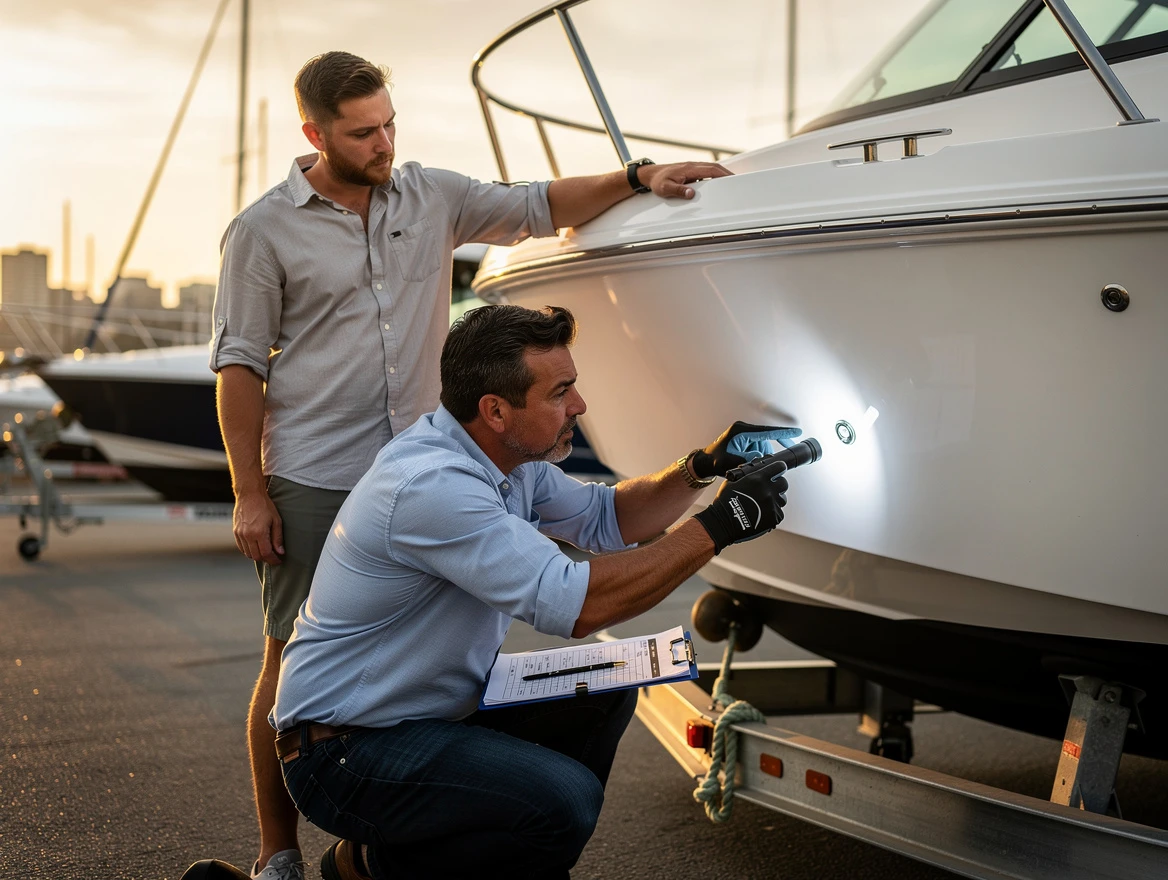
Never skip a sea trial. Seeing a boat in the water provides insights that static photos and dry land inspections cannot offer. You need to verify that the hull integrity is sound and that the engine performs well under load.
Hull and Engine Health
Check the hull for signs of past repairs, stress cracks, or blisters. For the engine, check for signs of leaking fluids, cooling system issues, and starting performance. If you are not mechanically inclined, hiring a professional marine surveyor is money well spent. They can identify major issues that would cost thousands to fix after the sale.
Electrical and Navigation Systems
Modern boats are filled with sensitive electrical systems. Test every light, bilge pump, and navigation unit while the boat is in the water. A faulty electrical system is one of the most common causes of breakdowns on the water, often resulting from poor wiring maintenance by previous owners.
Frequently Asked Questions for New Boaters
Do I need a license to own a boat?
While ownership does not require a license, many states require a boating education certificate to operate a motorized vessel. These courses are typically available through state agencies or recognized maritime safety groups and focus on navigation, rules of the road, and safety equipment requirements.
How often should I register my boat?
Boat registration requirements vary by state. In most cases, you must renew your registration annually or biennially. Always check the expiration sticker on your hull to make sure you remain in compliance with local regulations, and make sure your registration documents are kept in a safe, accessible location on board.
What is a marine survey?
A marine survey is a professional inspection of a boat to determine its condition, value, and safety. A surveyor will check the hull, rigging, engine, and electrical systems. It is highly recommended to get a survey before purchasing a used boat to avoid inheriting costly mechanical or structural problems.
Can I register a boat in a state where I don't live?
Registering a vessel in a state other than where you live is a complex process with specific residency or business entity requirements. Many owners look to establish an entity to manage their assets, but this must be done according to specific state laws. We provide support with the paperwork necessary to manage these filings effectively.
What should I do if the seller has lost the title?
A lost title is a significant hurdle. You should never purchase a boat without a clear title in hand. If a seller tells you they lost the title, they must obtain a duplicate from the appropriate agency before the sale can be finalized. Attempting to purchase a boat without a valid title leaves you at risk of owning a vessel you cannot register or sell.
Start with a Brief Vehicle Intake
As you prepare to join the community of boaters, focus on these fundamentals to make sure your experience remains positive. With the right preparation, proper maintenance, and careful attention to your documentation, you can spend less time managing bureaucracy and more time on the water. For first-time boat owners, what you should know before buying comes down to balancing your excitement with the practical realities of long-term vessel maintenance and regulatory responsibility.
| Expense Category | Estimated Frequency | Importance |
|---|---|---|
| Insurance | Annually | High |
| Storage | Monthly/Seasonal | Critical |
| Routine Maintenance | Every 50-100 Hours | High |
| Registration Fees | Annually/Biennially | Critical |
This is not legal or financial advice. Please consult your CPA/Attorney for all legal and financial guidance. Ride Legal is a privately owned website and is not operated by any government agency.