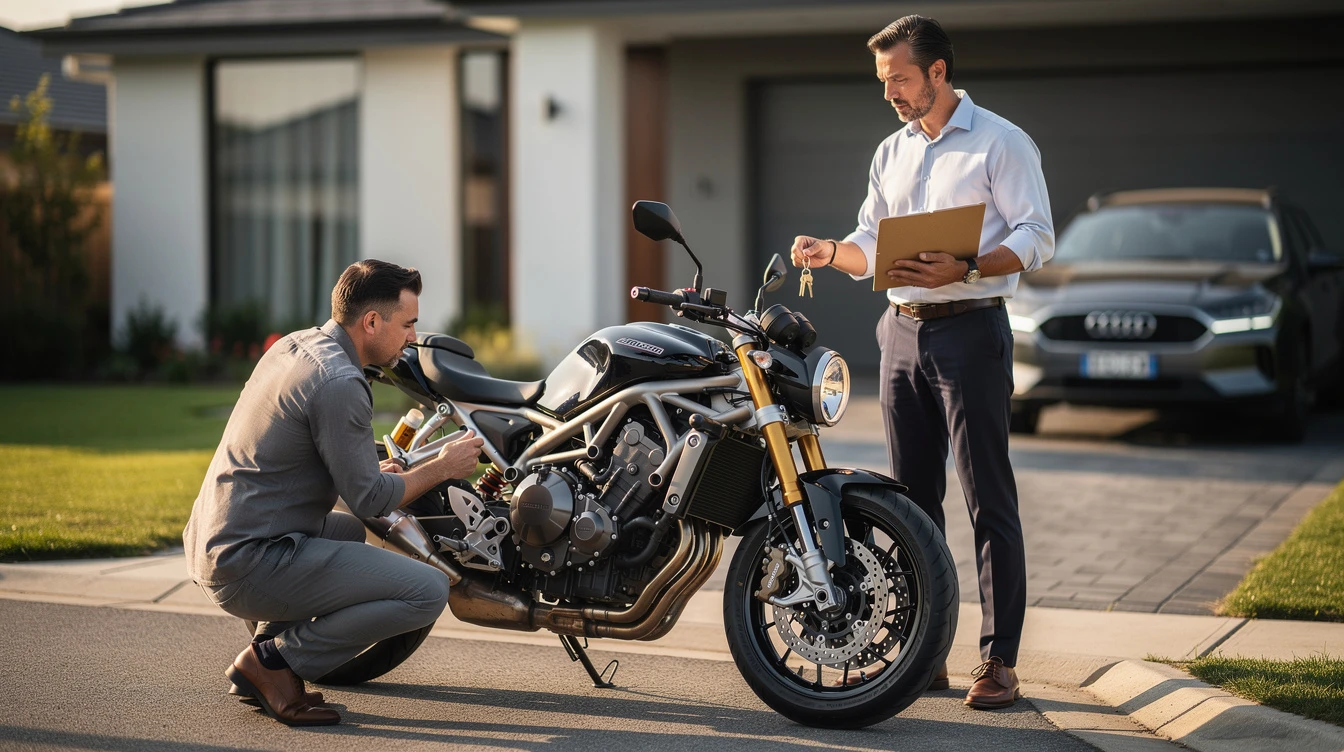
Title jumping happens when a motorcycle or powersport vehicle changes hands without the title being properly transferred, leaving a gap in the ownership chain. It exposes both buyers and sellers to fines, registration denials, and vehicles that simply cannot be ridden on public roads.
What Exactly Is Title Jumping and Why Does It Matter for Motorcycle Owners?
Title jumping, sometimes called title skipping, occurs when a buyer sells a vehicle before ever transferring the title into their name. The title shows an old owner, not the current one, making it nearly impossible to register the bike compliantly.
- Ownership chain breaks and state DMVs flag the transfer as irregular
- Buyers can't get plates without a clean, unbroken title history
- Sellers face fines ranging from $50 to over $1,000 depending on the state
- Fraud charges are possible if intent to deceive is suspected
For riders of elevated machines, a jumped title isn't just a paperwork headache. It's a liability that can ground a bike worth tens of thousands of dollars. Quick note: some states treat title jumping as a misdemeanor, not just a civil infraction.
For a state-specific breakdown, the Dirt Legal team covers the penalties for title jumping in Missouri and the penalty for title jumping in Texas in detail, including exact fine ranges and how to fix a skipped title after the fact.
How Do Sellers Get Trapped by Title Jumping?

Sellers are often the overlooked victim. If you sell a motorcycle to someone who then sells it again without transferring the title, your name may still appear on that document, connecting you to registration violations, accidents, or worse.
Ready to register your vehicle?
Join thousands of vehicle owners who use Ride Legal to handle their registration quickly.
Start Your Premium Registration →- Sign the title over immediately at the point of sale, not days later
- Record the buyer's full name, address, and date on the title before handing it over
- Notify your state DMV of the sale in writing, even if not required, to create a paper trail
- Keep a bill of sale as your personal protection, signed by both parties
- Never sign a blank title, it's the single fastest path to fraud exposure
Sellers who skip step one are the most common source of jumped titles. The moment you hand over a bike with an unsigned title, you've created conditions for a chain-of-ownership break, which reinforces why clean paperwork at the point of sale matters so much.
What Should Buyers Do Before Purchasing a Used Motorcycle?
Buyers carry the most risk when a title is jumped because they end up holding a bike they technically can't register. A few targeted checks before you hand over money can prevent months of title recovery work afterward.
- Run a VIN check to confirm the vehicle has no liens, salvage history, or title brands
- Cross-reference the VIN on the title with the VIN stamped on the frame
- Confirm the seller's name matches the title, not a previous owner's name
- Check the NHTSA VIN Decoder for any open recalls
- Avoid deals where the seller says "the title is coming" or "I just need to track it down"
If the name on the title doesn't match the person selling you the bike, that's a jumped title right there. Walk away or require the original named owner to sign before money changes hands.
How Does Title Jumping Compare to a Lost Title, and What's the Fix?

| Situation | Cause | Fix | Typical Timeline |
|---|---|---|---|
| Title Jumping | Ownership skipped, signature missing | Bonded title or court order | 2, 8 weeks |
| Lost Title | Document misplaced or destroyed | Duplicate title request to DMV | 1, 3 weeks |
| Damaged Title | Physical document unreadable | Replacement title from issuing state | 1, 2 weeks |
| Title with Lien | Loan not fully paid off | Lien release from lender | 1, 4 weeks |
Knowing how to transfer your title correctly from the start is far less expensive than fixing a jumped title after the fact. The bonded title route, for example, typically requires a surety bond equal to 1.5x the vehicle's appraised value, plus state fees.
For a deeper look at title recovery when things go wrong, Dirt Legal's guide on Title Nightmares: Fix Lost Paperwork and Ownership Issues walks through the bonded title process, surety bonds, and what to do when the chain of ownership is broken.
If you're dealing with a damaged or missing title, a related question is how to replace it. The process for motorcycle title transfer assistance through a private registration service can help you avoid common filing errors that slow the process.
Don't let a bad title ground your bike. Our specialists handle the paperwork so your registration stays clean.
Get Your Motorcycle Title Sorted →Can Montana Registration Help Resolve a Motorcycle Title Issue?
Montana registration is a well-known option for powersport owners, but it won't resolve a jumped title on its own. You still need a clean, transferable title before any state, including Montana, can issue a registration.
- Montana requires a clear title in your name, or in your Montana LLC's name, before issuing plates
- A bonded title may be accepted by Montana once issued by your home state
- Montana has no sales tax, no emissions testing, and no inspection requirements for motorcycles and ATVs
- Owners who form a Montana LLC through our registration assistance can then register their powersport vehicles through that entity
If your title is clean, the Montana motorcycle registration path is one of the most straightforward options available, particularly for high-value bikes where sales tax savings are substantial. Learn more about how to register vehicles through a Montana LLC and the full structure behind the strategy.
FAQ: Title Jumping Questions Buyers and Sellers Ask Most
Is title jumping a crime?
Yes, in most states title jumping is a misdemeanor or a civil violation carrying fines from $50 to over $1,000. Some states treat repeat offenses as criminal fraud. Penalties vary by state, but the risk applies to both the original seller who left a title unsigned and the buyer who sold before transferring.
How do I replace a missing vehicle title on a motorcycle?
Contact the DMV in the state where the vehicle is titled and request a duplicate title. You'll typically need the VIN, proof of identity, and a small fee. If the title is jumped or the chain of ownership is broken, a bonded title or court-ordered title may be required instead of a simple duplicate.
What is the process for title recovery if my motorcycle title is damaged or lost?
For a damaged title, most states issue a replacement upon surrender of the damaged document plus a fee. For a lost title, a sworn affidavit and VIN verification are typically required. If there's a lien, you'll need a lien release first. Private registration assistance can help coordinate the correct paperwork for each state's process.
Can I register a motorcycle with a jumped title?
Not directly. A jumped title must be corrected before registration is possible. Options include obtaining a bonded title, pursuing a court order, or working backward through the chain of ownership to get missing signatures. Some states offer a VIN inspection combined with an affidavit process for older vehicles with unclear ownership history.
What happens if I unknowingly buy a motorcycle with a jumped title?
You may be unable to register the bike and could be held responsible for resolving the title chain. Document everything, including the original bill of sale and all communications with the seller. A private registration specialist can assess your options, which typically include a bonded title or affidavit-based title recovery process through your state's DMV.
Title issues don't fix themselves. Whether you're buying, selling, or already stuck with a bad title, our registration specialists are ready.
Start Your Bespoke Registration →This is not legal or financial advice. Please consult your CPA/Attorney for all legal and financial guidance. Ride Legal is a privately owned website and is not operated by any government agency.