Car Mods Legal at Home but Illegal Elsewhere: What to Do
10/27/2025 · Ride Legal
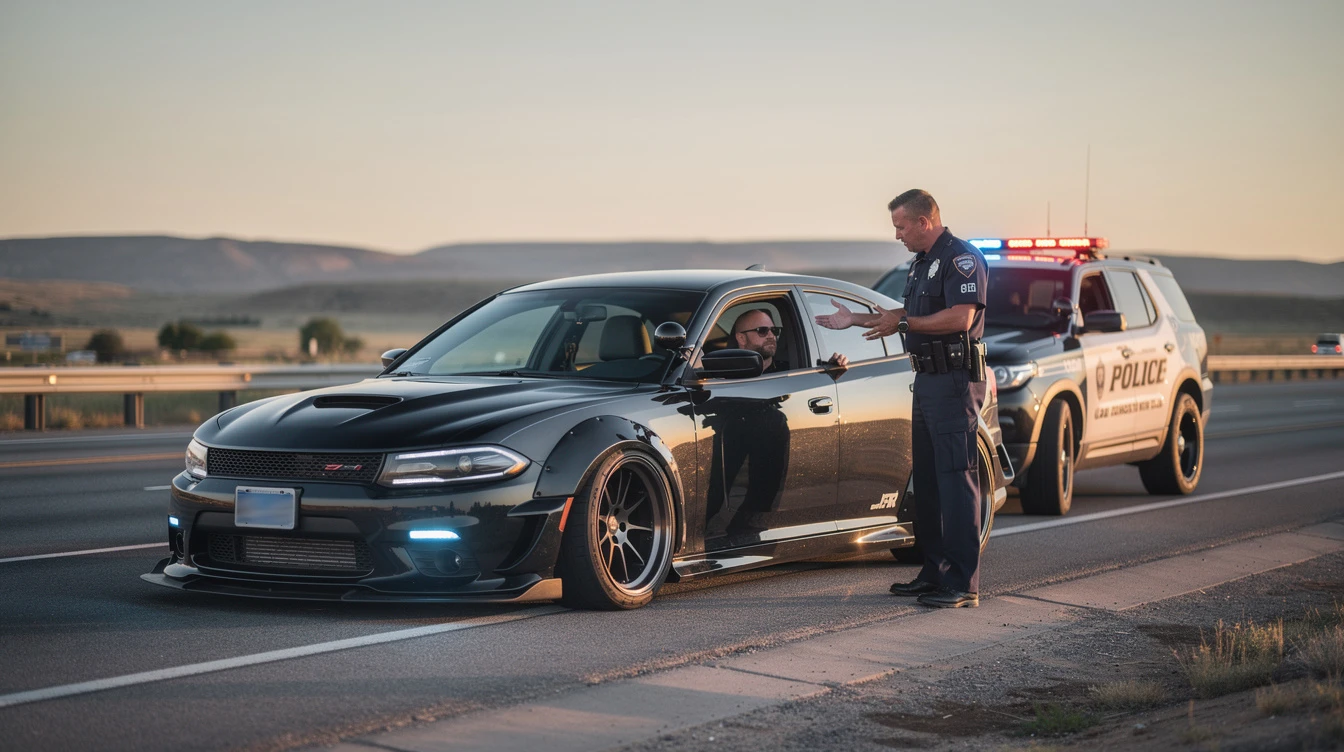
When your vehicle modifications are street-legal in your home state but prohibited in another, you risk being pulled over, receiving equipment violation citations, or being ordered to remove the modifications by local law enforcement. Vehicle registration reciprocity generally allows you to operate your vehicle under the laws of your home state, but equipment requirements are often subject to the specific statutes of the state where you are currently driving.
Understanding that you are subject to the traffic laws of each jurisdiction you enter is essential for planning your travel. While interstate commerce and registration reciprocity exist, they do not universally override local vehicle equipment codes.
Start Your Bespoke Registration →
Vehicle Equipment Laws Vary By State and Jurisdiction
Updated on September 2, 2026
Every state maintains its own vehicle code, which defines the standards for lighting, emissions, window tint, and noise levels. A modification is an alteration made to a vehicle's original factory configuration, such as exhaust systems, suspension lifts, or lighting changes.
The Scope of Reciprocity
Reciprocity to the compliance agreement where states recognize the registration and licensing of vehicles from other states. While a state will honor your out-of-state registration, it does not necessarily waive your responsibility to comply with local equipment statutes. You are expected to operate a vehicle that remains safe and follows the specific equipment standards of the roads you are traveling upon.
Common Equipment Conflicts
Equipment conflicts arise frequently with window tinting percentages, exhaust decibel limits, and off-road lighting usage. For example, a window tint level that is compliant in a sunny southern state may be considered too dark in northern states with lower ambient light levels. If you are stopped, an officer may issue a citation for a non-compliant modification regardless of your home state registration.
Managing Risk With Exotic and Modified Vehicles

Vehicle owners who manage large exotic car collections or modified assets must balance the aesthetics of their modifications with the realities of interstate travel. How do wealthy people manage their large exotic car collections? Understanding the legal requirements of your destination is the first step in avoiding unplanned stops.
Ready to register your vehicle?
Join thousands of vehicle owners who use Ride Legal to handle their registration quickly.
Start Your Bespoke Registration →
When Enforcement Actions Occur
Law enforcement officers have the discretion to issue fix-it tickets or fines for equipment violations. A fix-it ticket requires you to correct the modification and present proof of compliance to a local court or agency.
Compliance Strategies for Travelers
To reduce risk, many enthusiasts research the specific equipment codes for the states they plan to transit through during road trips. If your vehicle is extensively modified, you might consider utilizing a trailer to transport the asset rather than driving it across multiple jurisdictions with strict equipment laws. exotic car registration issues and solutions provides additional context on managing high-end assets.
Look at VIP Ownership Solutions →
Documentation and Maintaining Compliance
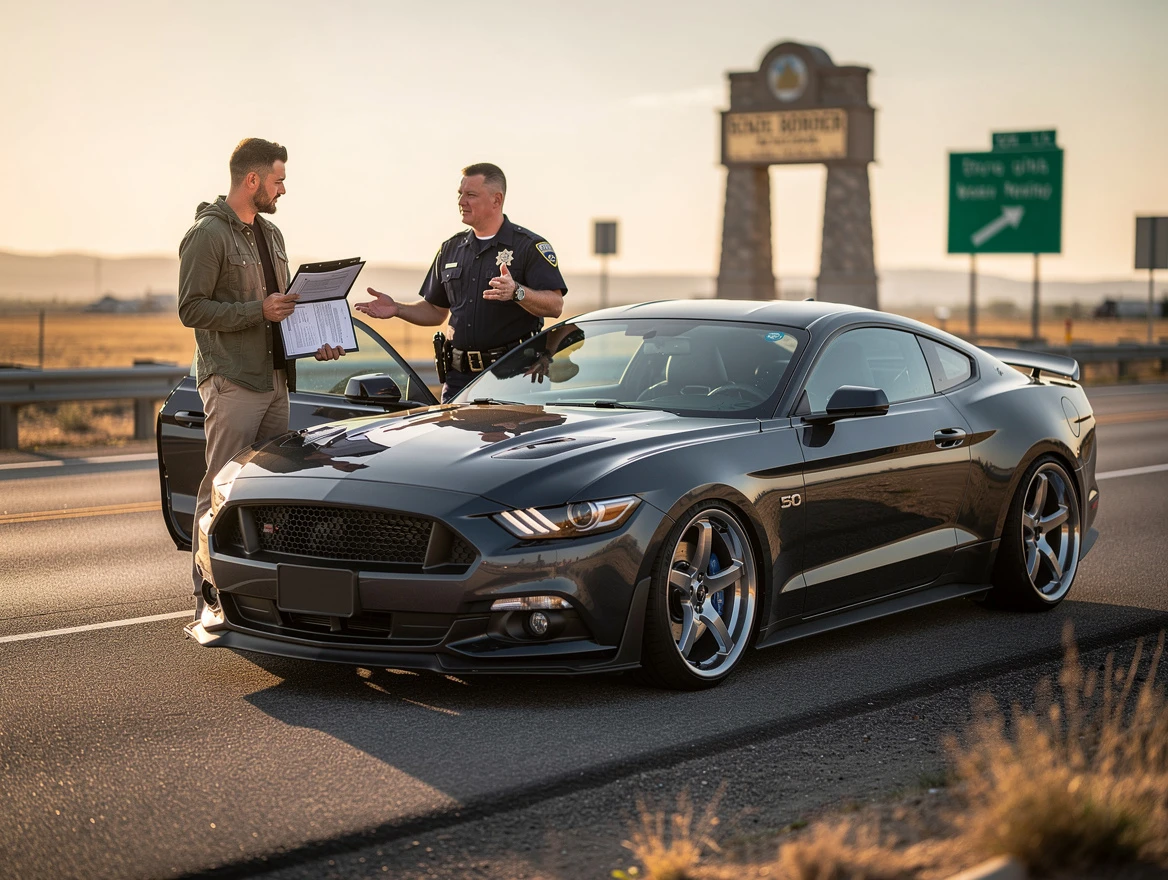
Keeping your vehicle compliant with your home state is the baseline, but document maintenance is equally vital. Make sure your registration is current and your title is clear of errors.
Why Registration Consistency Matters
Consistent registration paperwork helps when dealing with inquiries about your vehicle. If you encounter issues during a routine stop, providing clear documentation of your vehicle's status can assist in resolving questions regarding its compliance in your home state.
Handling Out of State Titles
If you have recently moved or purchased a vehicle, ensuring your title and registration are current is a priority. get your bike street-legal or look at get started with our paperwork support services to manage the process efficiently.
Frequently Asked Questions About Interstate Modifications
Can I be ticketed for window tint in another state?
Yes, you can be cited for equipment violations, including window tint, if your vehicle does not meet the standards of the state where you are currently driving. While many jurisdictions grant some leeway for out-of-state plates, they are not strictly obligated to do so.
Does my registration reciprocity protect me from all equipment tickets?
No, registration reciprocity generally covers the validity of your license plates and registration, not the physical condition or modifications of the vehicle. Equipment standards are often governed by the traffic laws of the local jurisdiction.
What should I do if I get a fix-it ticket while out of state?
A fix-it ticket typically requires you to address the non-compliant part and provide proof to the issuing jurisdiction. In some cases, you may be able to resolve this by mail, while other situations might require a return visit or coordination with local officials.
Are exhaust modifications strictly regulated?
Many states have laws restricting noise levels and the removal of catalytic converters. Federal law also prohibits the removal of emissions equipment, which means certain loud exhaust modifications can lead to issues in any state you visit.
How can I find out the equipment laws for a specific state?
You can look up the vehicle code for specific states through their official Department of Motor Vehicles or state patrol websites. Checking these resources before embarking on a long trip can help you identify potential equipment conflicts.
Are there exceptions for show vehicles or classic cars?
Some states offer specific registration categories for classic or antique vehicles that allow for certain equipment exemptions. However, these exemptions are usually tied to the registration type and do not automatically apply to standard passenger vehicles.
Start Your Bespoke Registration →
Operating a vehicle with modifications that are street-legal at home requires awareness of the varying laws across the country. Being prepared is the best approach to ensuring your travels remain uninterrupted and that your vehicle registration status is never in question.
| Modification Type | Typical Home State Risk | Interstate Travel Advice |
|---|---|---|
| Window Tint | Low | Verify local limits (e.g., 35% vs 20%) |
| Exhaust | Low | Keep decibel levels within federal guidelines |
| Lighting | Medium | Make sure off-road lights remain covered |
| Suspension | High | Check maximum bumper height requirements |
This is not legal or financial advice. Please consult your CPA/Attorney for all legal and financial guidance. Ride Legal is a privately owned website and is not operated by any government agency.