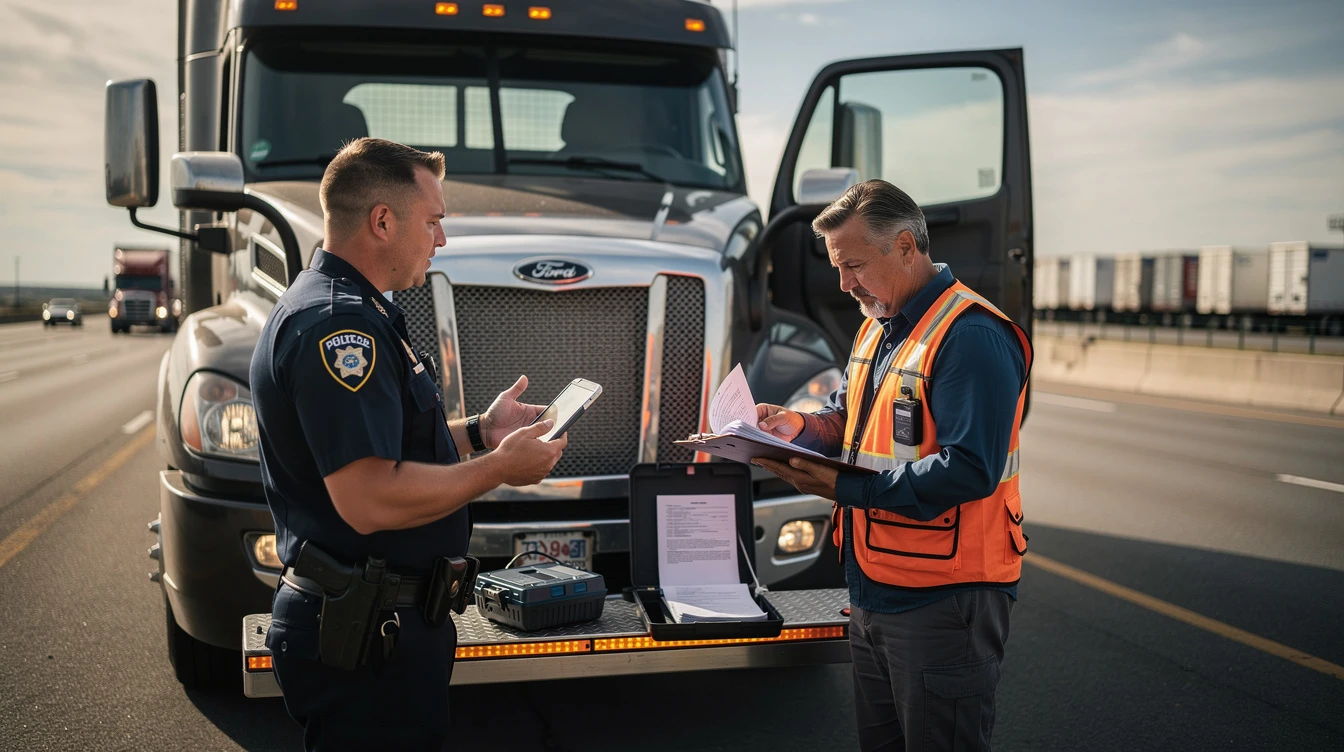
When truckers get pulled over for minor offenses, such as expired registration or inspection stickers, and they don't have the necessary information with them in their trucks, law enforcement officers issue roadside citations, assign compliance safety accountability points against the carrier's DOT record, and frequently issue an out-of-service order that halts the rig immediately. The driver cannot move the commercial vehicle until digital proof or physical replacement documentation is verified through dispatch or state dispatch databases.
Start Your Registration Process →
What penalties occur when a driver cannot produce valid registration roadside?
Commercial drivers who cannot produce proof of active registration face immediate state-level traffic citations along with formal documentation infractions on their vehicle inspection report. Fines typically range from $150 to over $1,000 depending on the state jurisdiction and whether the cab card has merely lapsed or is completely absent.
State highway patrol units and Department of Transportation officers treat missing paperwork as an operational violation. Even when the carrier holds active apportioned plates under the International Registration Plan, failing to keep physical or authorized electronic credentials inside the cab brings immediate operational headaches.
- Financial fines: State moving and non-moving equipment citations issued directly to the driver and motor carrier.
- Safety measurement system points: Severity points assigned to the carrier's profile under the compliance, safety, accountability program.
- Inspection delays: Extended Level I or Level II roadside inspections that scrutinize equipment, logbooks, and hauler cargo manifests.
Can missing inspection stickers place a rig out of service?
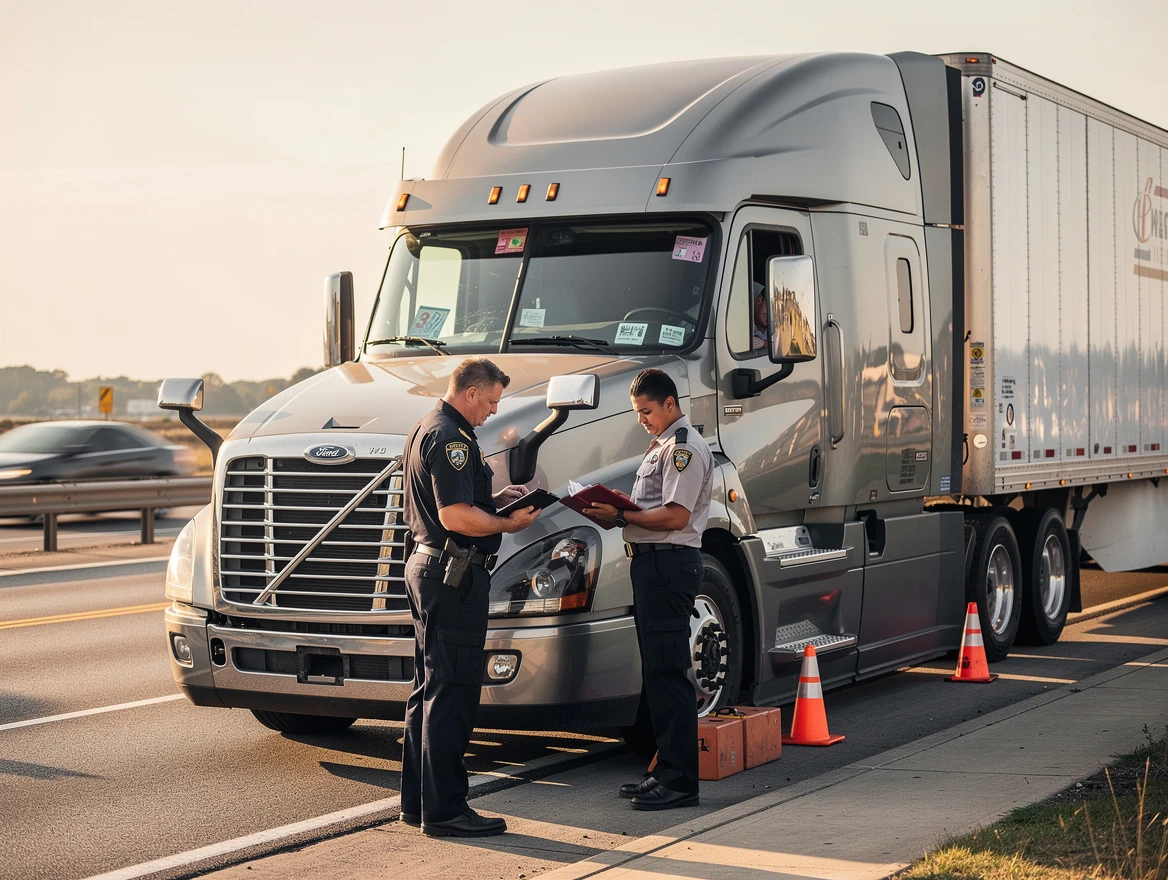
Yes, an expired or missing periodic annual inspection decal places the commercial power unit or trailer out of service under Commercial Vehicle Safety Alliance criteria. Federal regulation 49 CFR 396.17 mandates that commercial motor vehicles must display a valid inspection sticker or carry an equivalent periodic inspection report in the cab.
Ready to register your vehicle?
Join thousands of vehicle owners who use Ride Legal to handle their registration quickly.
Start Your Bespoke Registration →
When an officer confirms the inspection has lapsed and no physical paperwork exists in the truck, the vehicle is grounded on the spot. The driver cannot drive away until a certified mobile inspector arrives to perform an inspection or valid documentation is presented.
For owners transporting high-value assets like custom motorcycles or powersports machinery, these stops cause devastating schedule delays. A single paperwork oversight can shake up multi-state transport runs, leading to missed delivery windows and substantial towing fees if the vehicle cannot stay on the shoulder.
How do minor documentation offenses compare roadside?
The severity of roadside stops varies significantly based on whether the infraction is classified as an equipment defect, administrative omission, or an out-of-service condition. Minor documentation gaps quickly escalate into major operational shutdowns when paperwork cannot be retrieved immediately.
| Violation Type | Immediate Action | Average Fine | Out of Service Risk |
|---|---|---|---|
| Missing Cab Card / Registration | Citation issued, dispatch contacted | $150 to $500 | Low to moderate if record verified |
| Expired Periodic Inspection | Immediate vehicle shutdown | $250 to $1,200 | High (rig grounded until verified) |
| Missing Cargo Documentation | Secondary inspection held | $100 to $350 | Low unless cargo ownership contested |
| Unregistered Trailer / Plate Lapse | Impound or plate seizure | $300 to $1,500 | High until valid registration confirmed |
Fleet operators and private haulers can eliminate these headaches by maintaining organized digital document backups and compliant apportioned accounts. Learning about Why Your Vehicle Registration Gets Rejected and How to Fix It helps avoid similar clerical discrepancies on the road.
What are the immediate steps a hauler must take after being cited?
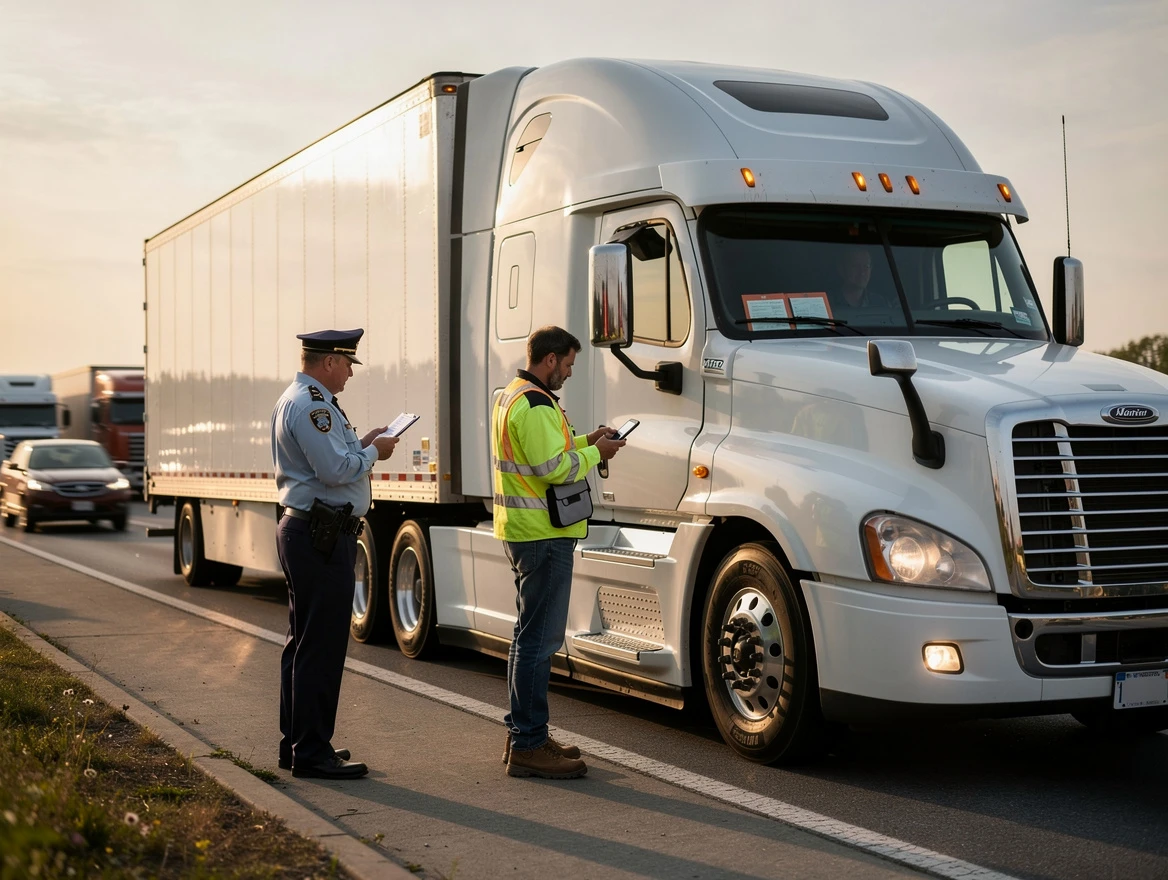
Resolving an immediate roadside citation requires clear communication between the driver, dispatch, and the ticketing enforcement agency. Taking swift, organized action prevents minor equipment infractions from turning into suspended vehicle registrations or court appearances.
- Contact fleet safety or dispatch immediately: Request an urgent PDF copy of the active registration cab card, annual inspection form, or lease agreement.
- Present digital credentials to the inspecting officer: Many jurisdictions allow officers to dismiss missing credential fines roadside if dispatch can email verified paperwork during the stop.
- Sign the roadside inspection paperwork: Acknowledge the receipt of the inspection report, which will outline whether the rig has been placed out of service.
- Arrange emergency mobile compliance if grounded: Call a local certified mobile inspector to execute an on-site periodic inspection if the sticker has expired.
- Submit proof of correction: Have the motor carrier submit signed certification back to the state agency within 15 days to close the violation.
Whether pulling commercial freight or trailering bespoke motorcycles, vehicle paperwork must always remain spotless. To look at tailored solutions for high-end vehicle titling, review our bespoke VIP Ownership resources.
How do registration problems impact powersport haulers and motorcycle transporters?
Private transporters and enthusiasts carrying ATVs, UTVs, and custom bikes often face similar roadside scrutiny if their trailer or tow rig credentials lapse. When personal haulers get stopped, missing ownership papers for the machines being hauled can trigger severe property verification inquiries.
Law enforcement personnel regularly cross-reference VIN numbers on open trailers against national databases to verify rightful ownership. If an untitled bike or unregistered side-by-side sits on an uninspected trailer, officers may detain the entire rig until ownership provenance is proved.
Securing the right paperwork beforehand keeps your weekend trips and track days effortless. Owners carrying non-traditional rides can consult our guide on How to Make a UTV Street Legal in 2026: 5 Steps That Actually Work. If you run custom two-wheelers, our dedicated Exotic Registration options make sure your bike credentials remain compliant nationwide.
For owners moving vehicles across state borders, understanding state registration statutes prevents unwanted roadside impounds. Reviewing What Happens If You Move States but Keep Your Old Registration? clarifies multi-state registration compliance rules before you hit the highway.
Frequently Asked Questions
Will a trucker get arrested for an expired registration sticker?
An arrest is very unlikely for an expired sticker alone. Law enforcement officers treat expired registration as a non-moving infraction. However, if the driver possesses outstanding warrants, falsifies registration documents, or the truck is reported stolen, criminal penalties and arrests can follow immediately roadside.
Can dispatch send an electronic copy to clear a missing registration ticket?
Many state highway patrol officers will accept a clear digital PDF of an active cab card sent directly from dispatch. While presenting digital paperwork may satisfy the officer regarding current registration status, the officer can still issue a minor citation for failing to display or carry physical credentials.
How many CSA points does an expired inspection sticker add to a carrier?
Operating a commercial motor vehicle without a valid periodic inspection carries high severity points under the FMCSA safety measurement system. The violation typically carries a baseline severity of 4 points out of 10, which multiplies by three if the motor carrier had violations in the prior six months.
Can a trucker drive the rig to a repair shop after receiving an out-of-service order?
No, a driver cannot move a vehicle placed out of service to a repair facility unless granted an explicit law enforcement escort or special movement permit. Moving an out-of-service rig without authorization results in severe federal driver disqualifications, massive carrier penalties, and potential vehicle impoundment.
What happens if trailer registration paperwork is missing while hauling custom motorcycles?
If trailer registration is missing, officers may issue equipment citations and hold the vehicle until registration status is confirmed. If the cargo motorcycles also lack proof of ownership or titles, officers may run VIN checks with NHTSA VIN Lookup to confirm they are not stolen before releasing the hauler.
This is not legal or financial advice. Please consult your CPA/Attorney for all legal and financial guidance. Ride Legal is a privately owned website and is not operated by any government agency.