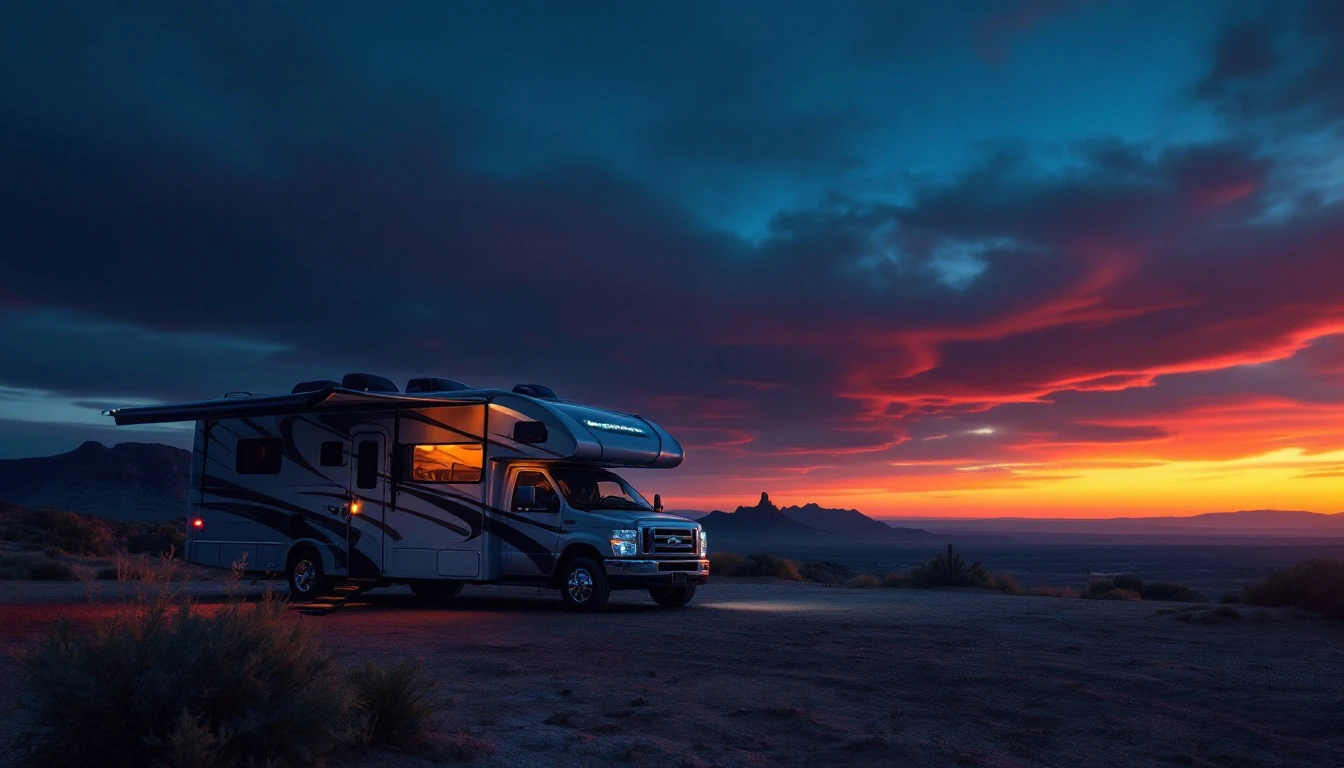
RV owners face a distinct set of registration challenges that motorcycle and standard vehicle owners rarely encounter. RVs are classified differently by state, carry higher registration fees, and often require title documentation that owners aren't prepared for. This guide covers the key requirements, common title issues, and how a Montana-based registration structure can reduce cost and complexity for high-value recreational vehicles.
RV Registration Requirements Differ Significantly From Standard Vehicles
Most states classify RVs as a separate vehicle category, which means the documentation, fee schedules, and annual renewal rules don't mirror what you'd see for a car or motorcycle. Some states calculate fees by length or weight. Others require emissions inspections or specific equipment certifications.
What Documents Are Typically Required to Register an RV?
You'll generally need the Manufacturer's Certificate of Origin (MCO) for a new RV, or the existing title for a used one. A bill of sale, proof of insurance, and a completed application form are standard requirements.
What Is Required to Register a Modified Vehicle With the DMV?
RVs with significant modifications, such as custom slide-outs, lifted chassis, or altered VIN plates, may require a state inspection before registration. Some states require a letter from the modifier or an aftermarket certification. If you purchased a conversion unit, make sure the converter's documentation transfers with the sale.
How RV Classification Affects Your Annual Fees
States like California and Florida charge RV registration fees based on vehicle length, GVWR, or both. A 40-foot Class A diesel pusher can carry annual fees several times higher than a Class B camper van. Montana, by contrast, uses a flat fee schedule based on age and vehicle value, which is one reason many high-value RV owners find the Montana structure appealing.
Title Issues Are More Common With RVs Than Most Owners Expect
RVs change hands frequently, are stored for years at a time, and are sometimes sold informally, which creates a higher-than-average rate of title complications. Missing titles, lien releases that were never recorded, and paperwork that doesn't match the VIN are all common scenarios.
Ready to register your vehicle?
Join thousands of vehicle owners who use Ride Legal to handle their registration quickly.
Start Your Premium Registration →How Do I Replace a Missing Vehicle Title?
If you've purchased an RV without a clean title, or if the title was lost or damaged, the process for title recovery depends on your state. Most states require a bonded title or a court order if the original title can't be produced. A detailed look at this process is available in the Title Nightmares: Fix Lost Paperwork and Ownership Issues guide from our sister brand, Dirt Legal, which walks through bonded title and surety bond options in plain terms.
What Is the Process for Title Recovery If My RV Title Is Damaged or Lost?
Title recovery typically starts with a VIN inspection to confirm the vehicle's identity, followed by a bonded title application filed with your state's motor vehicle division. The bond amount is usually 1.5x the appraised value of the vehicle. Once the bond period expires without a claim, typically one to three years, the title converts to a clean one. For RVs with a Montana registration, the process is managed through the Montana RV Title Recovery and Registration pathway, which simplifies the paperwork significantly.
Lien Releases and Why They Matter
If the previous owner financed the RV, the lender holds a lien on the title. That lien must be formally released before you can register the vehicle in your name. Ask for the lien release document at closing, and verify it's been filed with the appropriate state office. Skipping this step is one of the most common title complications we see.
Montana RV Registration process showing title recovery documents and registration paperwork for high-value recreational vehicles' width='1200' height='675'>Montana LLC Registration Offers a Structured Path for High-Value RV Owners
Montana has no sales tax on vehicles, and that distinction matters most on high-value purchases. For an RV priced at $300,000, the sales tax in a state like California can exceed $26,000. The Montana LLC registration structure allows owners to register an asset through a Montana-based LLC, with registration fees that are based on the vehicle's age rather than its purchase price.
For owners who want to understand the full financial picture, the If You're Paying 5-Figure Sales Tax on a Vehicle, You're Giving Up $30K+ in Liquidity analysis lays out the real cost of high-value vehicle sales tax in clear terms. It's worth reading before you take delivery.
How the Montana LLC Structure Works for RV Owners
We handle the required filings to register assets through your newly formed Montana LLC. That means forming the LLC in Montana, titling the RV under the LLC, and managing the registration paperwork through Montana's Motor Vehicle Division. You receive Montana plates and registration documents. The RV is owned by the LLC, not by you personally, which also adds an asset protection layer.
RV Registration Fees in Montana vs. High-Tax States
| State | Sales Tax on $250K RV | Annual Registration Fee (est.) | Emissions Required |
|---|---|---|---|
| Montana | $0 | $200, $400 | No |
| California | ~$22,500+ | $500, $1,200+ | Yes (some counties) |
| Florida | ~$17,500+ | $400, $900 | No |
| Texas | ~$16,250+ | $300, $700 | Yes (some counties) |
| New York | ~$22,000+ | $600, $1,100+ | Yes |
Montana's no-sales-tax status is confirmed by the Montana Department of Revenue. The state has never imposed a general sales tax, making it one of only five states in the country with no sales tax at all.
Renewing Your RV Registration and Staying Current
Annual renewal requirements vary by state, but the core principle is the same: let your registration lapse and you're driving an unregistered vehicle. For RVs that sit in storage for months at a time, owners often forget renewal deadlines. Montana's renewal schedule is straightforward and can be managed remotely.
What Happens If You Drive With an Expired RV Registration?
Driving with expired registration exposes you to fines that vary widely by state, from a $25 fix-it ticket in some states to $500 or more in others. More significantly, an expired registration can complicate your insurance coverage in the event of an accident. States like California flag expired registrations in license plate reader databases, making enforcement more active than it used to be. A detailed breakdown is available at Pulled Over With Expired Tag But Renewal Pending?, which covers your rights and next steps.
Out-of-State Registration Renewals for Full-Time RVers
Full-time RVers, or those who split time between multiple states, face a specific challenge: your state of registration may not be where you spend most of your time. Montana's registration structure works particularly well for this group because the state doesn't require physical residency to form an LLC and register a vehicle through it. We manage the out-of-state paperwork with our paperwork support process.
Keeping Your Title and Registration Documents Current
After any major purchase, modification, or lender payoff, make sure your title reflects the current state of the vehicle. A mismatched title, such as one that still shows a lender's name or an old address, can create complications during resale or at a traffic stop. Storing digital copies of your title, registration, and insurance in a secure cloud folder is a simple habit worth building.
What RV Owners Often Confuse About Registration vs. Titling
Registration and title are two separate documents that serve different purposes. Your title proves ownership. Your registration proves the vehicle has been approved to operate on public roads for a given period. It's possible to have a valid title and an expired registration, and vice versa. They're managed separately, renewed on different schedules, and issued by different offices in some states.
Why Some RV Owners Find Themselves Without a Valid Title
Estate sales, informal private sales, and dealer errors are the three most common reasons an RV changes hands without a valid title transfer. If you bought an RV and the seller never completed the title transfer, you may not legally own the vehicle, even if you have a bill of sale. This is a scenario where title recovery becomes necessary. The Montana RV Title Recovery and Registration pathway can address this directly.
South Dakota as an Alternative Registration State
For RV owners who need to establish a domicile state, South Dakota is a popular choice. The state has low registration fees, no income tax, and a straightforward process for establishing residency through a one-night stay. South Dakota registration is particularly favored among full-time RVers who want a simple, low-cost home state. It's worth comparing both Montana and South Dakota to see which structure fits your ownership profile best.
Frequently Asked Questions About RV Vehicle Registration
Do I need a special license to register and drive an RV?
Most Class A and Class B RVs can be registered and driven on a standard driver's license, depending on the vehicle's Gross Vehicle Weight Rating (GVWR). Vehicles over 26,000 lbs GVWR may require a non-commercial Class B or Class A license in some states. Check your state's specific GVWR thresholds before taking delivery of a large diesel pusher. Montana's registration process doesn't impose additional licensing requirements beyond what your home state mandates.
Can I register my RV in Montana if I don't live there?
Yes. Montana allows non-residents to form an LLC and register a vehicle through that LLC. You don't need a Montana driver's license or a physical Montana address. The LLC serves as the registered owner, and Montana plates are issued to the LLC. This is a widely used and recognized structure for high-value vehicle owners. Our team provides complete paperwork support through the process from start to finish.
What should I do if my RV title has a lien that was never released?
Contact the original lender first and request a lien release letter. If the lender is no longer operating, you may need to file for a bonded title or request a court order confirming the debt was satisfied. Some states have expedited processes for older liens. Your state's motor vehicle division can confirm the exact process. For RVs registered in Montana, the Montana RV Title Recovery and Registration pathway includes support for exactly this situation.
How often do I need to renew my RV registration?
Most states require annual renewal, though some offer multi-year registration options. Montana offers a combination of annual and permanent registration options depending on the vehicle type and owner preference. Full-time RVers often prefer Montana's structure because renewals are managed remotely and don't require a physical visit to any office. We send renewal reminders and provide paperwork support each cycle.
What happens to my RV registration if I sell it?
You'll need to transfer the title to the new owner and notify your state that the vehicle has been sold. In Montana, if the RV was registered under an LLC, the LLC itself can be transferred to the new owner as part of the sale, or the vehicle can be retitled in a new LLC. Either way, the title transfer is a critical step. Skipping it leaves you liable for any tickets, tolls, or incidents that occur after the sale.
Is it possible to register an RV with no title using a Montana bonded title process?
Yes. Montana's bonded title process allows you to register a vehicle when the original title can't be produced. You'll need a VIN inspection, an appraisal, and a surety bond for 1.5x the appraised value. After the bond period, typically one to three years without a title claim, the title converts to a clean Montana title. This is a viable path for RVs purchased at auction, estate sales, or in informal private transactions.
Does registering my RV through a Montana LLC affect my insurance?
It can. Some insurers treat LLC-owned vehicles differently from personally owned ones. You'll want to work with an insurer who is familiar with Montana LLC registrations, and make sure the policy names the LLC as the insured entity. Specialty RV insurers and high-value vehicle underwriters are typically well-versed in this structure. Confirm coverage terms before you finalize the registration to avoid any gaps.
RV registration doesn't have to be a multi-state ordeal with stacks of paperwork and unexpected fees. Whether you're dealing with a missing title, evaluating Montana as a registration state, or simply trying to keep a high-value recreational vehicle properly documented, Ride Legal provides the tailored, concierge-level support that elevated vehicle ownership demands. Montana RV Registration is a structured, proven path, and our team has guided hundreds of owners through it with precision. Your RV represents a significant asset, and its registration should reflect that standard.
This is not legal or financial advice. Please consult your CPA/Attorney for all legal and financial guidance. Ride Legal is a privately owned website and is not operated by any government agency.