Boating Out of State: How Does Registration Work Across Jurisdictions?
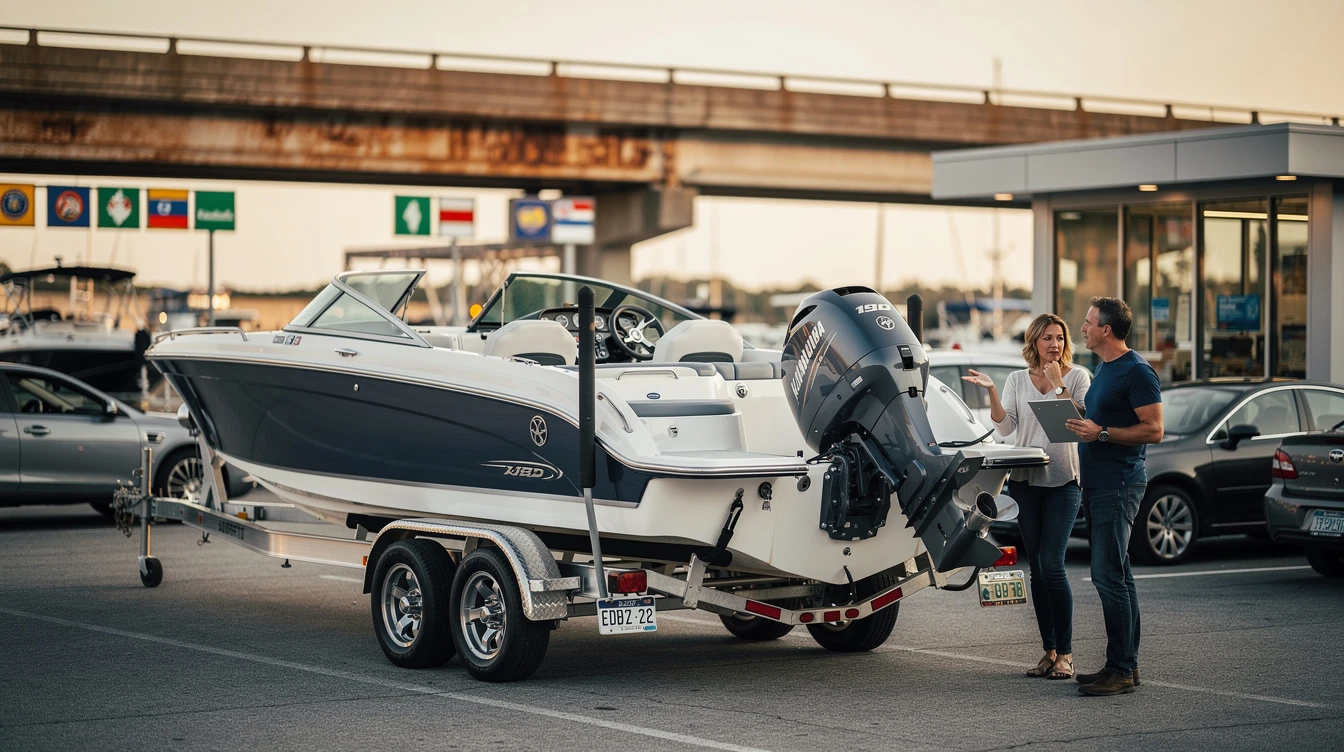
Boating out of state requires you to follow the vessel registration laws of the state where the watercraft is primarily used or harbored, rather than just where it was purchased. In many cases, if you are visiting a state temporarily, your home state registration remains valid under reciprocity agreements, but permanent relocation or long-term seasonal docking will trigger a requirement to register in the new jurisdiction.
Owners of high-value marine assets or those moving between popular vacation states often find the patchwork of regulations confusing. You must verify if your vessel type specifically requires a title or just a registration card in your intended state, as requirements for personal watercraft, sail-powered vessels, and motorboats vary widely. Start Your bespoke Registration →
Understanding Multi-State Vessel Compliance and Titling
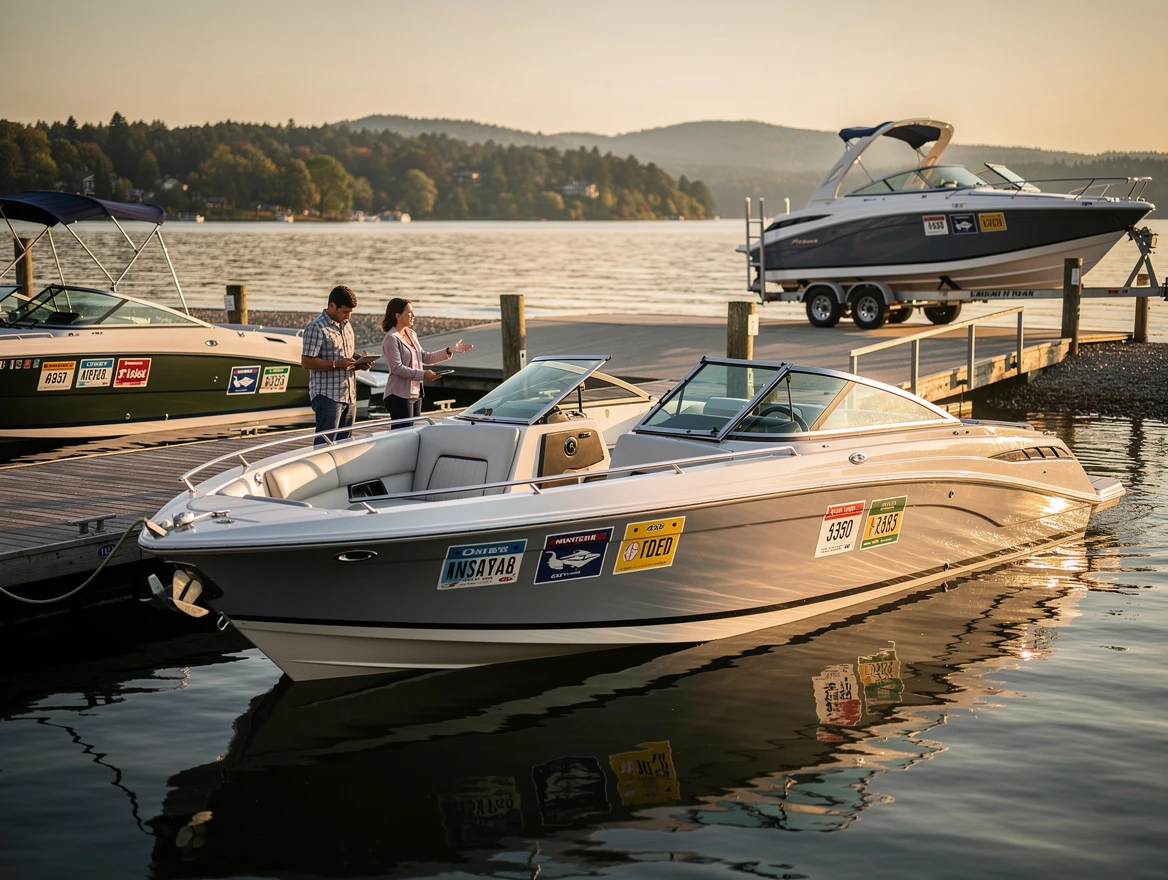
When you take your vessel to a new state, you are generally subject to that state’s specific vessel tax and safety equipment mandates. While reciprocity covers most transient boaters, the definition of 'transient' is strictly defined by the number of days a vessel remains in the water, which is often 60 or 90 days. If your stay exceeds this window, you must initiate a transfer of registration to avoid potential fines or compliance issues during local marine patrol checks.
Ready to register your vehicle?
Join thousands of vehicle owners who use Ride Legal to handle their registration quickly.
Start Your Premium Registration →The Role of Title Documentation When Relocating
Your vessel title serves as the primary proof of ownership, and when you move, that document must be updated to reflect your new address or state of record. Some states require a physical inspection of the hull identification number, known as a HIN, before they will issue a new registration card. Keeping your title in a secure location during transit is vital, as losing this document can significantly delay your ability to get on the water in your new destination.
Managing Seasonal vs Permanent Registration Requirements
Many owners wonder if they need two separate registrations if they keep a boat in one state for half the year and another for the remainder. Most states offer non-resident permits for seasonal visitors, which can be a cost-effective way to stay compliant without fully re-registering your vessel. You should check the Department of Natural Resources or the equivalent motor vehicle agency in your destination state to see if a seasonal reciprocity permit is available for your specific watercraft category.
How Our Private Registration Assistance Supports Your Ownership Experience
Our concierge registration services help owners work through complex paperwork by handling the necessary filings and documentation updates. We provide support for title transfers and registration renewals, ensuring your documentation remains current regardless of where you choose to enjoy your time on the water.
Why Documentation Precision Matters for Marine Assets
Errors in paperwork, particularly with bills of sale or lien releases, are the primary cause of processing delays. By using a service that manages these details, you make sure that your registration files are complete and accurate the first time.
Coordinating Title Transfers Across State Lines
Transferring a title for a vessel involves a transfer of ownership that must meet the specific criteria of the destination state’s wildlife or marine agency. We help you assemble the required documentation, including previous title, proof of insurance, and any necessary tax forms, to provide a clear path forward. This prevents the common frustration of dealing with local office wait times and outdated manual filing systems.
| Service Category | Typical Requirement | Support Available |
|---|---|---|
| Title Transfer | Original Title, Bill of Sale | End-to-End Assistance |
| Registration Renewal | Current Card, Renewal Notice | Remote Filing Support |
| HIN Verification | Physical Inspection or Photo | Documentation Guidance |
| Seasonal Permits | Non-resident proof of origin | Coordination Support |
Maximizing Your Time on the Water with Simplified Paperwork
The goal of professional registration assistance is to minimize the hours you spend dealing with administrative tasks so you can increase your time on the water. When you use our services, you benefit from a process that is designed to be as effortless as possible. Whether you are dealing with a standard title transfer or more complex issues involving missing history or lien removals, we offer the guidance you need to keep your assets in good standing.
Frequently Asked Questions About Out-of-State Boat Registration
How long can I use my home state registration in another state?
Most states allow for a period of 60 to 90 days of continuous operation before requiring you to update your registration. check the specific state laws, as some jurisdictions have much shorter windows for recreational vessels.
What documents are required to register a boat in a new state?
You will typically need your current registration, your original title, a signed bill of sale, and proof of any required tax payments. Depending on the state, you may also need a copy of your vessel insurance policy.
Can I register a boat in a state where I do not live?
Some states, such as Montana, allow for business-based vessel registration via an LLC, which can be an option for owners of high-value vessels. This process involves forming an entity that owns the asset, effectively managing the registration through that business structure.
Does boating out of state affect my insurance coverage?
Yes, your insurance carrier needs to be aware of where your vessel is primarily located. Operating outside of your policy's geographic coverage area could lead to denied claims in the event of an accident or incident.
What is the most common reason registration paperwork is rejected?
The most common cause for rejection is an improperly completed or missing bill of sale. Ensuring this document includes full buyer and seller information, date of sale, and vessel specifics is critical for a successful filing.
How do I handle a lost title when moving to a new state?
You must apply for a duplicate title in the state where the boat was last registered before you can proceed with a transfer to a new jurisdiction. We can guide you through this process to make sure your documentation is correct.
For owners ready to address their vehicle and vessel documentation, our team is ready to assist. Start Your bespoke Registration Today, No Hidden Fees
This is not legal or financial advice. Please consult your CPA/Attorney for all legal and financial guidance. Ride Legal is a privately owned website and is not operated by any government agency.