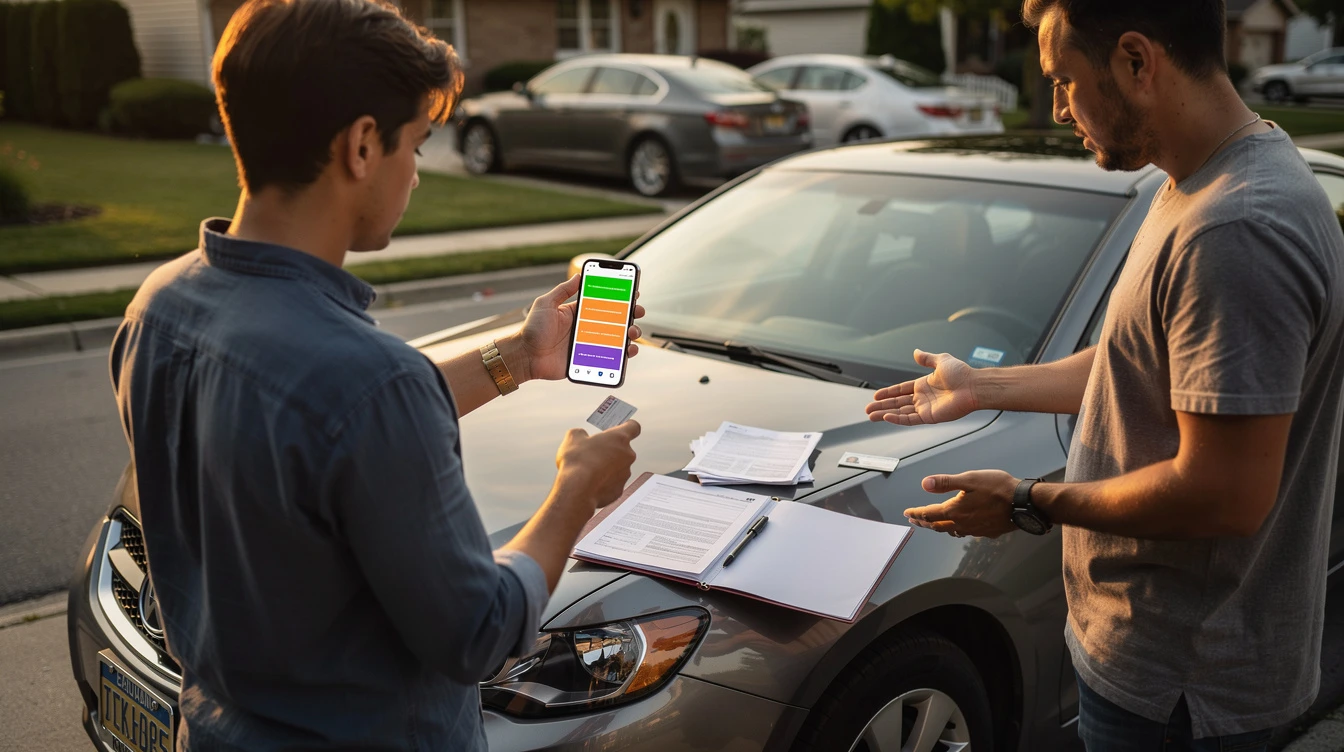
Do I Need a Notary When Buying a Car Off Facebook in PA?
08/20/2026 · Ride Legal
In Pennsylvania, you are legally required to have a notary present to witness the signing of the vehicle title when buying a car off Facebook or any private party sale. As a Delaware resident purchasing a vehicle in Pennsylvania, this notary requirement remains mandatory to make sure the title transfer document is compliant with Pennsylvania Department of Transportation (PennDOT) regulations.
Pennsylvania Title Transfer Laws for Private Sales
Pennsylvania vehicle title law is strictly regulated, requiring that all private party vehicle transfers occur before a licensed notary public. This person acts as an impartial witness to confirm the identity of both the buyer and seller. A title, which is the official legal document proving vehicle ownership, must be signed in their presence. If you skip this, the title is technically invalid for transfer.
Why Notarization Matters for Out-of-State Buyers
Even though you live in Delaware, the physical transaction takes place under Pennsylvania law. You must follow the rules of the state where the seller and vehicle reside. Notarization acts as the gatekeeper, confirming that the title hasn't been altered and that the seller is the authorized owner. This helps reduce the risk of title fraud, which is a concern in private peer-to-peer marketplaces.
Managing Your Delaware Registration After a Pennsylvania Purchase
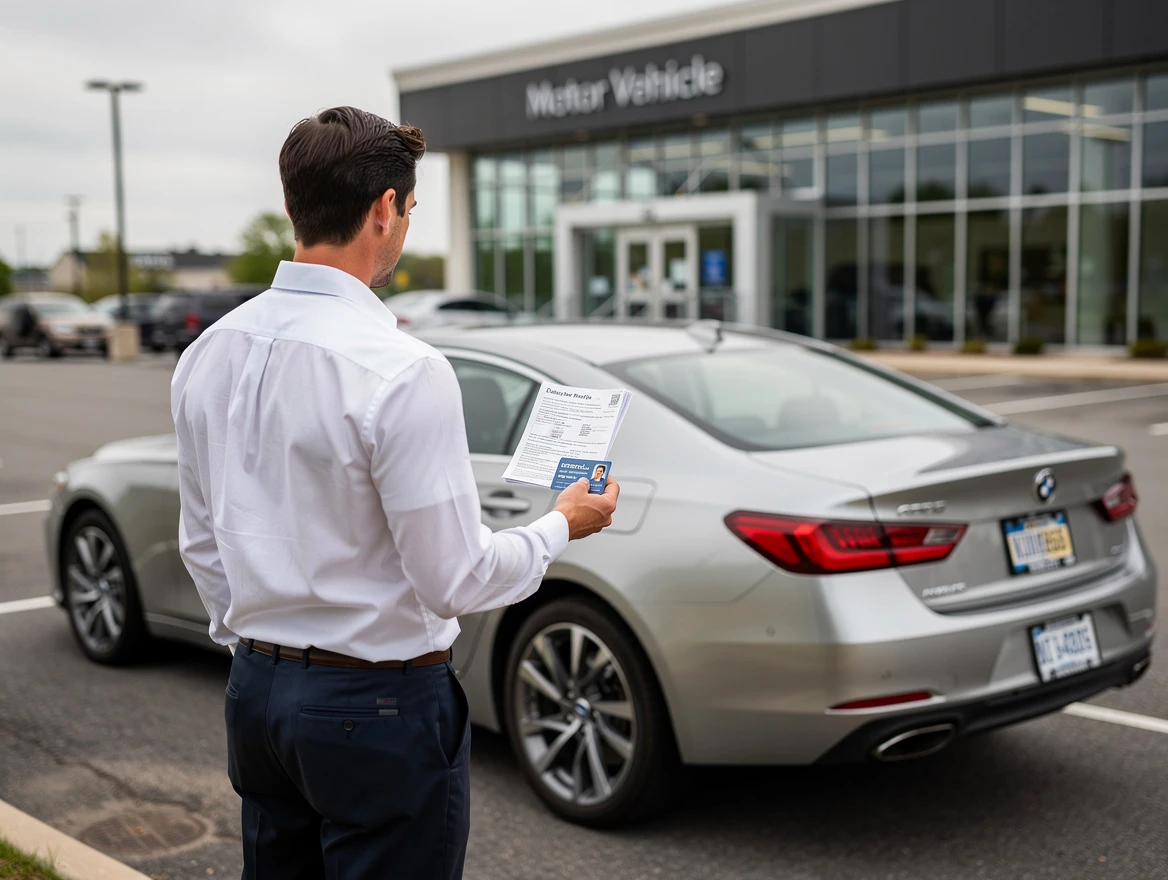
Once you have secured a notarized title from the Pennsylvania seller, you must begin the process of registering the vehicle in Delaware. Delaware Division of Motor Vehicles (DMV) requires you to present the notarized title, proof of Delaware insurance, and a valid driver's license. The timeline for this is typically 30 days, though you should aim to finalize this as soon as possible to avoid penalties.
Ready to register your vehicle?
Join thousands of vehicle owners who use Ride Legal to handle their registration quickly.
Start Your Premium Registration →You may also consider street-legal registration through a Montana LLC if the vehicle qualifies. Many enthusiasts find this an efficient way to handle paperwork. If you need assistance with your title, we are here to transfer your title and guide you through the process.
| Requirement | Pennsylvania (PA) | Delaware (DE) |
|---|---|---|
| Notary for Title | Mandatory | Not required for private sale |
| Sales Tax Payment | 6% to 9% (varies) | 4% Document Fee |
| Inspection | Annual | Bi-annual |
Avoiding Common Pitfalls in Private Vehicle Sales
The most common mistake is failing to verify the Vehicle Identification Number (VIN) against the title provided by the seller. A VIN is a 17-character unique code assigned to every vehicle. Before completing a sale, you can use a VIN check service to confirm the vehicle's history and make sure it has not been reported stolen or salvaged.
Another frequent issue involves the Bill of Sale. While a notary is required for the title, a Bill of Sale acts as a supplemental document showing the purchase price and date.
Scheduling Your Transaction During 2026 Holidays
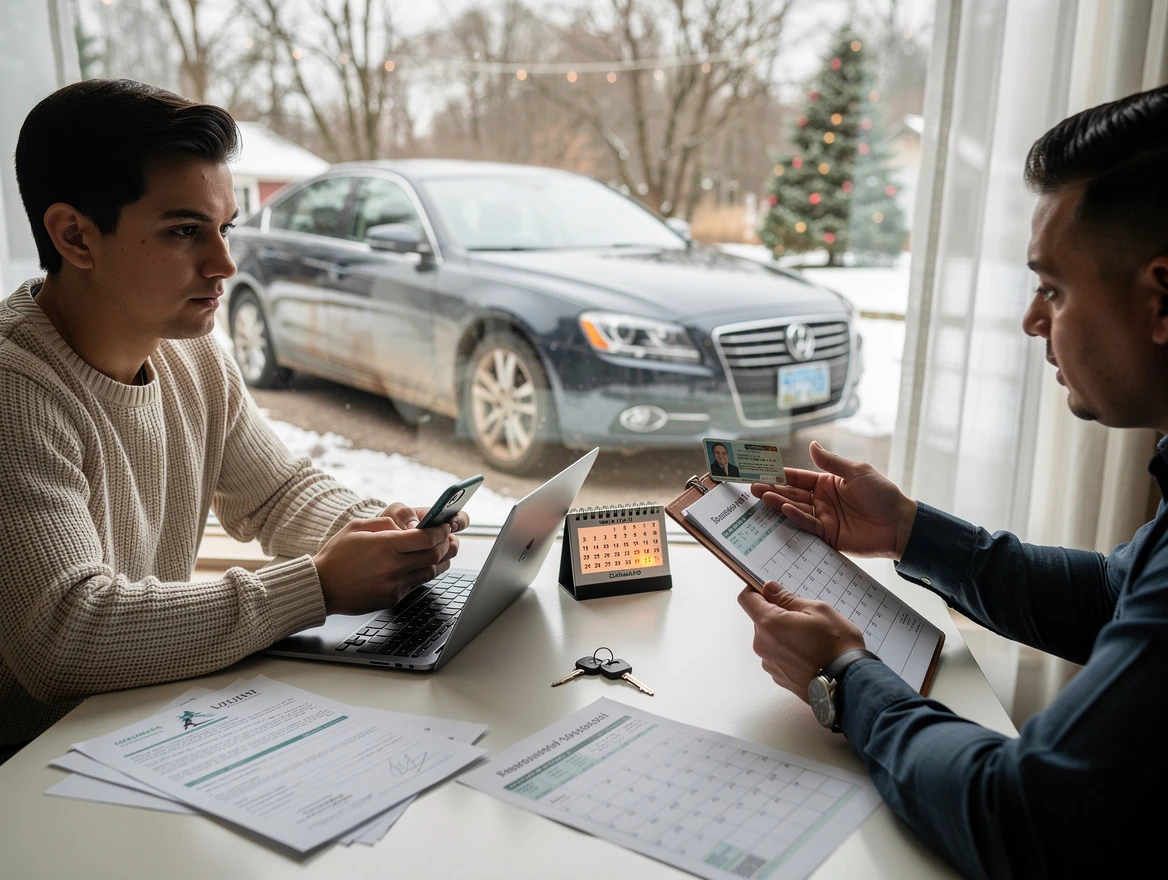
If you are planning to purchase your vehicle around a holiday, notary offices and DMV locations often follow a specific 2026 federal holiday calendar. Transactions involving Labor Day 2026 or Thanksgiving Day 2026 can result in closed offices and delays in processing your paperwork.
Frequently Asked Questions
Can I use a Delaware notary for a PA car title?
No, because the transaction originates in Pennsylvania, the document must be notarized by an agent authorized by the Commonwealth of Pennsylvania. Using an out-of-state notary often results in the PennDOT rejecting the paperwork during the title transfer process.
What if the seller doesn't want to go to a notary?
You should walk away from the deal. Without a notary, you cannot verify the legitimacy of the transfer, and you will likely be unable to register the vehicle in Delaware. A notarized title is the only way to prove you have a clean, transferable interest in the asset.
How much does it cost to get a title notarized in PA?
Notary fees in Pennsylvania are set by law and are generally affordable, typically ranging from $5 to $20 per signature. Some messenger services or private tags agencies may charge a higher service fee for processing the title transfer, but the notary component is capped.
Do I need to pay Pennsylvania sales tax?
Generally, you pay sales tax to your home state, which is Delaware. However, you must provide the notarized documents to the Delaware DMV to prove the purchase occurred. Delaware charges a 4% document fee instead of a traditional sales tax, which is calculated based on the purchase price or the NADA book value of the vehicle.
Is there a deadline to register the car in Delaware?
Yes. Once you have a signed, notarized title in hand, you should register the vehicle as soon as possible. Delaware usually requires residents to register a newly acquired vehicle within 30 days of purchase to avoid late fees and potential legal complications regarding vehicle operation.
Start Your bespoke Registration →
When purchasing a vehicle, ensuring the paperwork is perfect from the start prevents months of delay. Whether you need help navigating the title transfer or are looking for a simplified way to manage your asset registration, we provide the support necessary to make sure your vehicle is compliant and ready for the road.
This is not legal or financial advice. Please consult your CPA/Attorney for all legal and financial guidance. Ride Legal is a privately owned website and is not operated by any government agency.