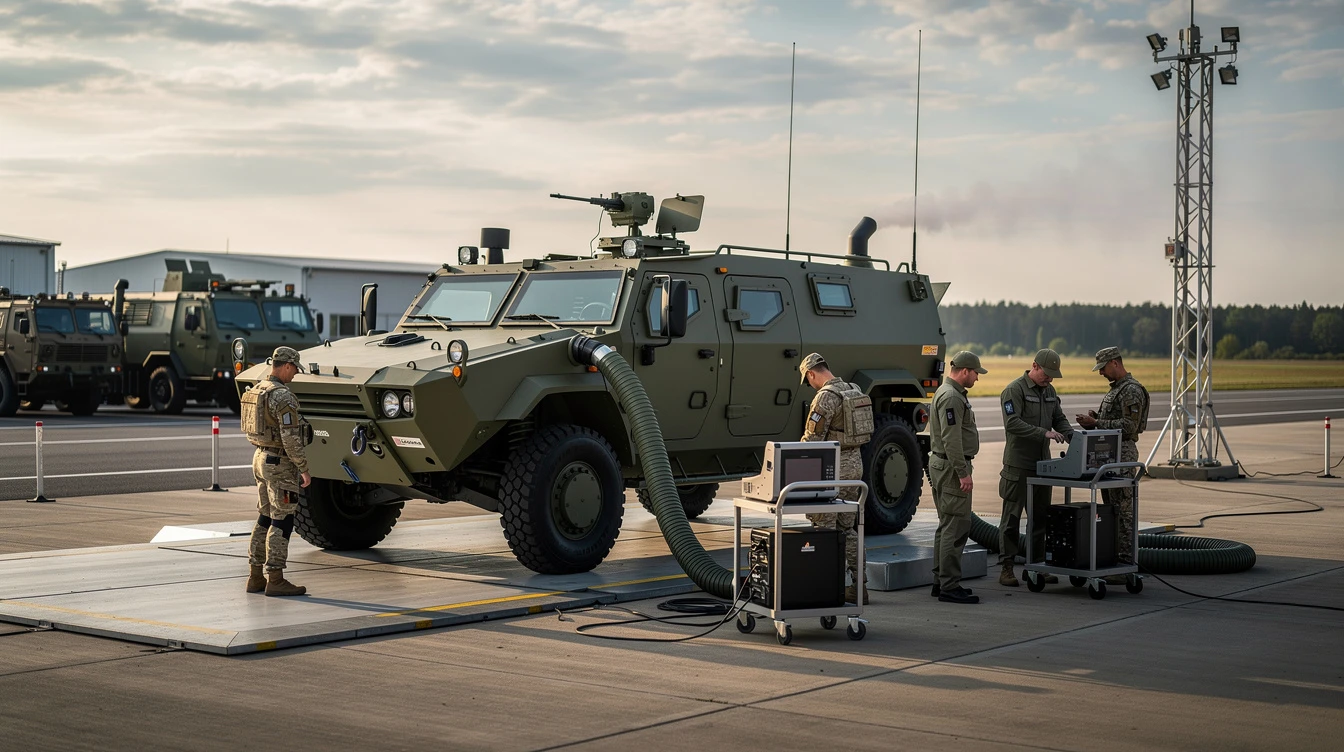
Military vehicles sit in a regulatory category all their own. Their emissions requirements depend on classification, age, intended use, and the state where they'll be registered. Most active-duty military vehicles are exempt from standard emissions testing, but civilian ownership changes that entirely. Know these distinctions before you purchase, register, or transfer title to any military vehicle, whether it's a Humvee, a decommissioned truck, or a combat support vehicle.
Check Your Vehicle's Requirements
Are Military Vehicles Exempt from Emissions Testing?
Updated on October 26, 2026
Military vehicles in active service are generally exempt from state emissions testing while they remain under military control. Once a vehicle gets decommissioned and sold to a civilian buyer, though, it becomes subject to the emissions regulations of whatever state it will be registered in. The exemption ends at transfer of ownership, not simply at the point of sale.
- Active-duty military vehicles registered through the Department of Defense are exempt
- Veterans and civilians purchasing surplus military vehicles must comply with state emissions standards
- Some states offer grace periods or exemptions for vehicles over a certain age (typically 25 years or older)
- Off-road military vehicles may not require street-legal emissions compliance if used off-road only
What Emissions Standards Apply to Civilian-Owned Military Vehicles?
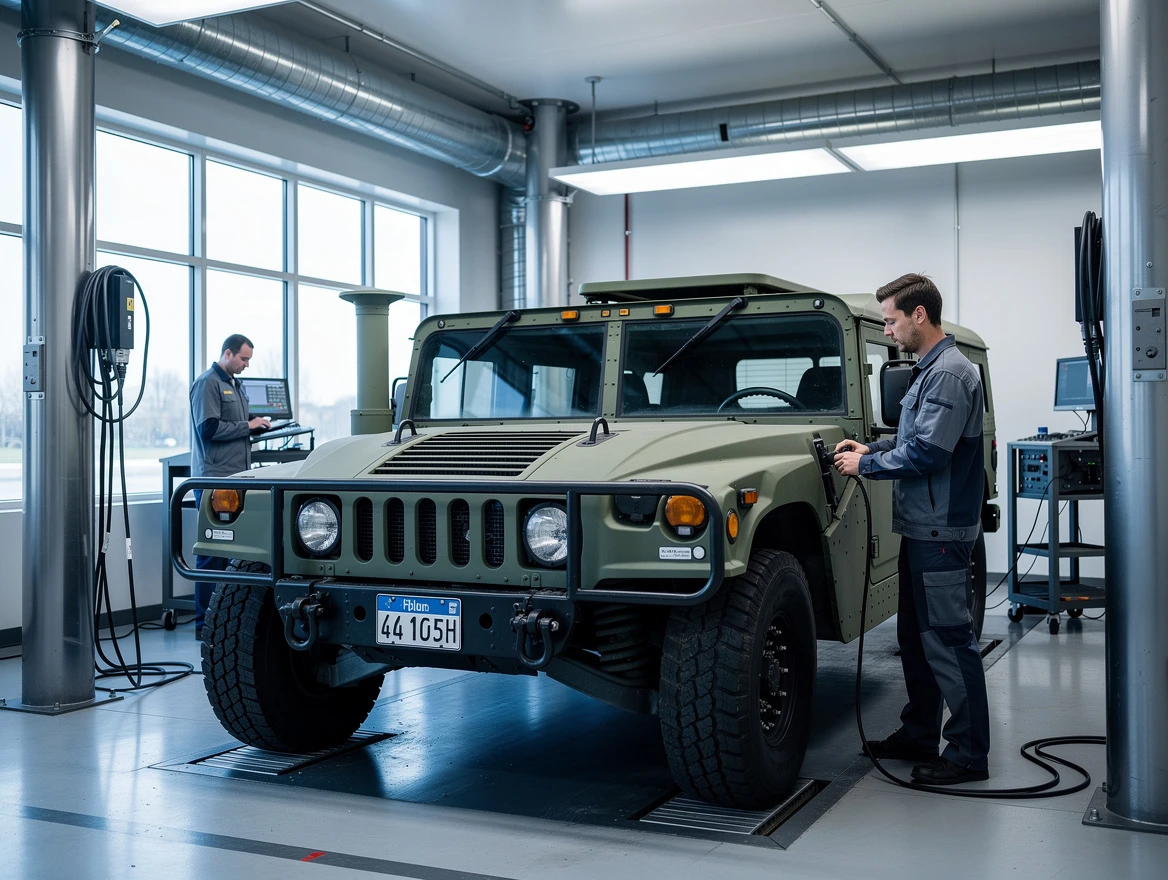
Civilian buyers of military surplus vehicles face the same emissions standards as any other used vehicle in that state. The vehicle's model year and engine type determine which federal and state standards apply. Older military vehicles may be eligible for historical or antique exemptions depending on your state. Don't assume; confirm before you buy.
Ready to register your vehicle?
Join thousands of vehicle owners who use Ride Legal to handle their registration quickly.
Start Your Bespoke Registration →
- Federal NHTSA standards: Apply to all vehicles intended for highway use
- State emissions testing: Required in states with air quality monitoring (California, New York, Colorado, etc.)
- Engine modifications: Any aftermarket changes must not push emissions beyond limits
- Catalytic converter requirements: Federal law mandates catalytic converters on most vehicles from 1975 onward
If you own a military vehicle older than 25 years, many states allow antique or historic vehicle registration, which often cuts out emissions testing entirely. Understanding your state's specific exemptions and registration pathways is essential for both compliance and cost savings.
Do All States Require Emissions Testing for Military Vehicles?
No. Only 35 U.S. states and Washington D.C. currently require emissions testing for any vehicles. Military vehicles registered in non-testing states face no emissions inspection requirement, though they must still meet federal safety and registration standards.
| Vehicle Category | Emissions Testing Required | States Affected |
|---|---|---|
| Military vehicles (active duty) | No | Not applicable (federal exemption) |
| Civilian-owned military surplus, under 25 years | Yes | 35 states with emissions programs |
| Historic/antique military vehicles (25+ years) | Usually no | Varies by state |
| Off-road only military vehicles | No | All states (not street-legal) |
What About Humvees and Surplus Military Trucks?
Humvees and military surplus trucks sold to civilians follow the same rules as any used vehicle. Built before emissions standards kicked in (pre-1975), or old enough to be eligible as historic (25+ years in most states)? Emissions testing is typically waived. Otherwise, it has to pass your state's test, no exceptions.
- Humvees manufactured for the military before 1975 are emissions-exempt
- Military trucks from 1975-1995 must undergo emissions testing in regulated states
- Newer military surplus vehicles (post-1995) are subject to the strictest emissions standards
- Modifications or engine swaps may trigger emissions failures
- Some states allow historic vehicle plates for vehicles 25+ years old, bypassing emissions entirely
If your surplus military vehicle runs into emissions compliance challenges, registering it under a Montana LLC structure in a low-emissions-regulation state may simplify the process considerably.
How Do You Register a Military Vehicle in Your State?
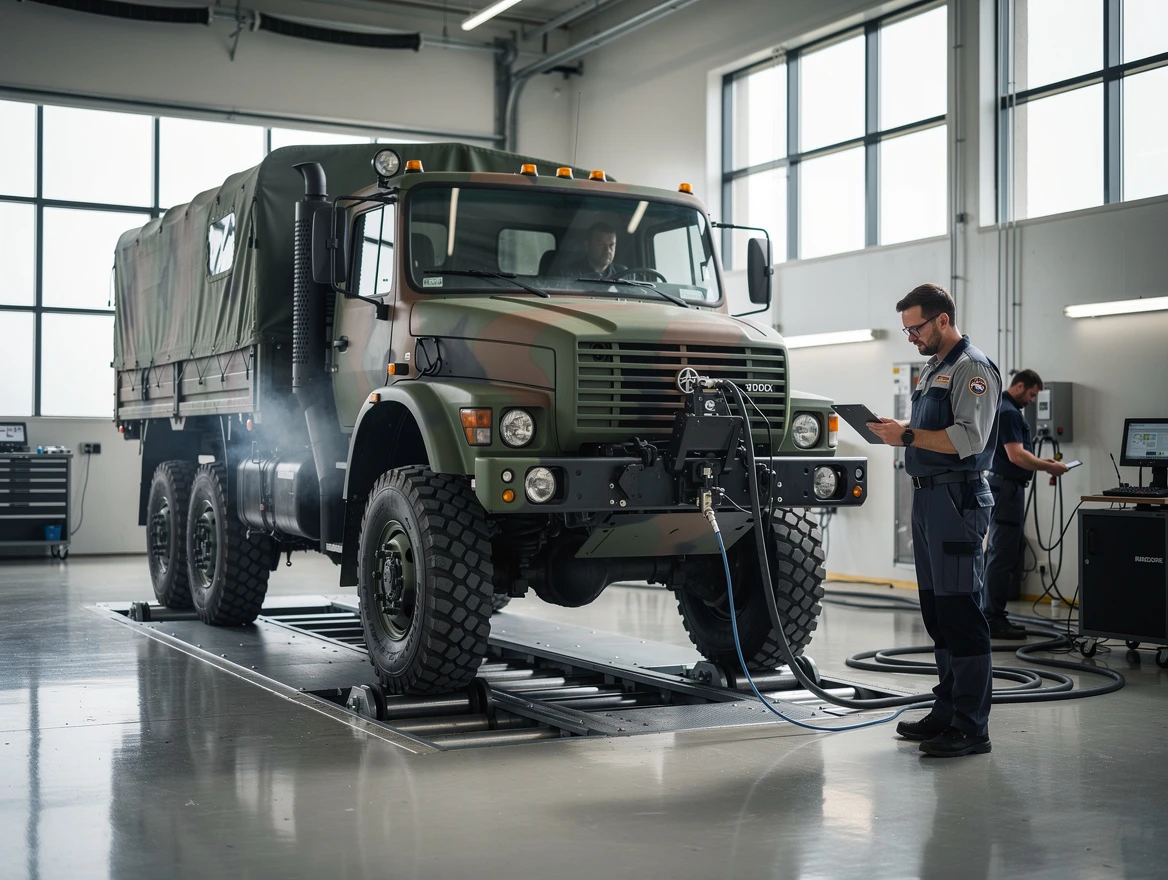
Registering a civilian-owned military vehicle requires proof of ownership, a passing emissions test (if required), and compliance with your state's specific vehicle codes. The registration process mirrors what you'd do with any used vehicle, with one critical step added: emissions clearance.
- Obtain the vehicle's title or secure a bonded title if no original documentation exists
- Schedule an emissions inspection with a certified testing facility in your state (if required)
- Repair any emissions failures before attempting registration
- Complete your state's vehicle registration application with emissions test results
- Pay registration fees and receive plates and registration card
- Display plates and carry proof of registration at all times
Military vehicles with incomplete paperwork or no title can be genuinely difficult to register. If your military surplus vehicle lacks documentation, exploring out-of-state title transfer and registration solutions can open a clearer path forward.
What Happens If Your Military Vehicle Fails Emissions Testing?
A failed emissions test means you must fix the non-compliant systems and retest before registration goes through. The most common culprits are catalytic converter issues, fuel injection problems, and oxygen sensor malfunctions. Some fixes are affordable. Others get expensive efficient, especially on older military hardware.
- Catalytic converter replacement: $800, $2,500
- Oxygen sensor repair: $150, $500
- Engine control module (ECM) programming: $300, $1,200
- Fuel injection service: $200, $800
- If repairs exceed the vehicle's value, historic registration exemptions may be your best option
Look at Tailored Registration Solutions
Military Vehicle Emissions FAQs
Can I drive a military vehicle without a title?
No. Every vehicle needs a title or bonded title to register on public roads. If your military surplus vehicle lacks documentation, contact your state's motor vehicle office about bonded title options. The bonded title process typically runs $100, $300 and establishes ownership after 3- 5 years of clear possession.
Are old military vehicles automatically exempt from emissions testing?
Not automatically. Most states exempt vehicles 25 years old or older from emissions testing, but you need to register them as historic or antique vehicles to be eligible. That usually comes with annual mileage restrictions and limits usage to special events or exhibitions. Check your specific state's rules before assuming the exemption applies to you.
Can I register a military vehicle in Montana to avoid emissions testing?
Yes. Montana runs no state emissions testing program, which makes it an attractive option for military vehicle owners stuck in strict emissions states. You can register your military vehicle there even if you live elsewhere, though insurance and residence rules still apply. Registration costs are low, and the process is straightforward for out-of-state buyers.
Do military vehicles need catalytic converters?
Yes, unless your vehicle was built before 1975. Federal law requires catalytic converters on all vehicles from 1975 onward. Many military surplus vehicles come without aftermarket catalytic converters installed, which causes immediate emissions test failures in regulated states.
What's the difference between active-duty military and surplus military vehicles?
Active-duty vehicles stay under Department of Defense control and carry a federal exemption from state emissions testing. Surplus military vehicles are decommissioned and sold to civilians, which triggers full compliance with state and federal emissions standards. That exemption disappears the moment ownership transfers to a private buyer, full stop.
Can modifications make my military vehicle emissions-compliant?
Sometimes. Catalytic converter upgrades, oxygen sensor replacements, and ECM reprogramming can often resolve emissions failures. Major engine modifications, though, may create new ones. Work with a certified emissions technician who has real experience with military vehicles to assess repair viability before putting money into expensive upgrades.
Stay Updated
Get the latest on registration tips, LLC insights, and exclusive offers.
No spam. Unsubscribe anytime.
This is not legal or financial advice. Please consult your CPA/Attorney for all legal and financial guidance. Ride Legal is a privately owned website and is not operated by any government agency.