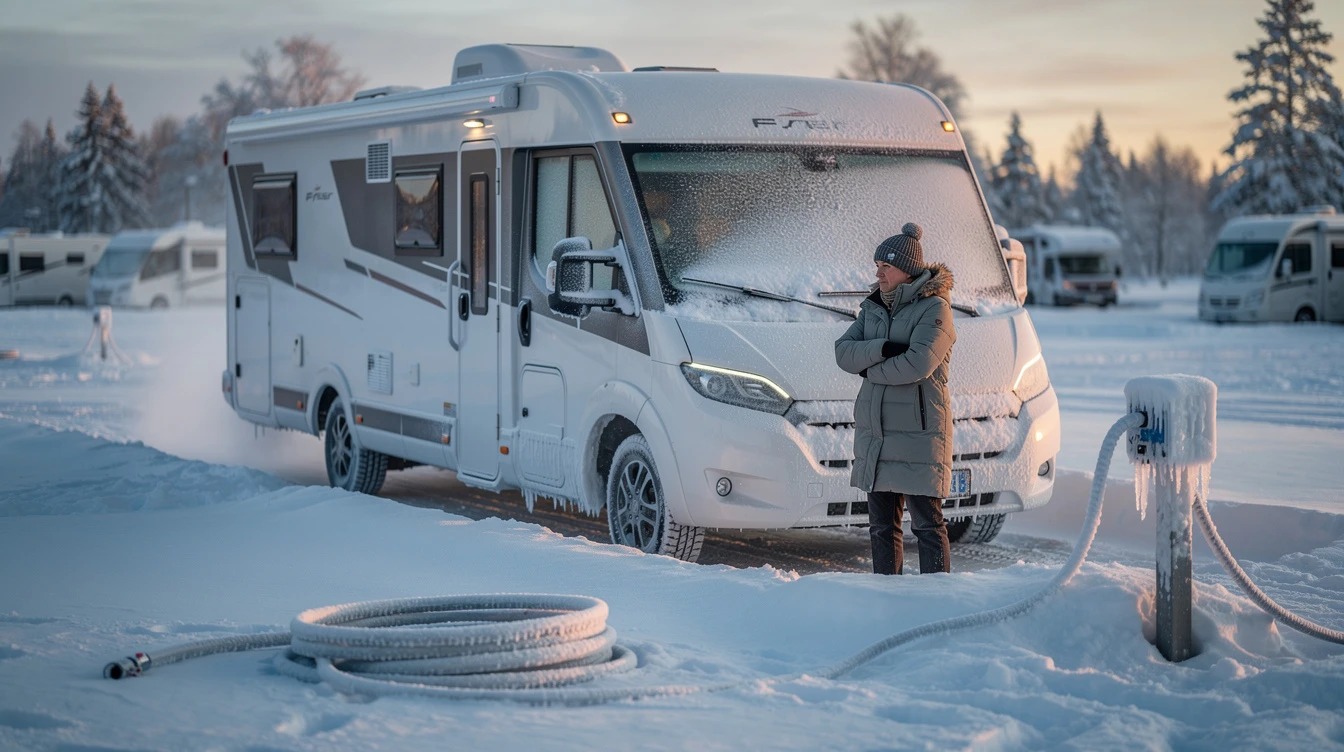
How Cold Is Too Cold for an RV? Temperature Guide for Owners
08/21/2026 · Ride Legal
When asking how cold is too cold for an RV, the answer depends heavily on whether your unit is four-season rated or standard construction, but temperatures consistently below 32 degrees Fahrenheit present significant risks to water lines and tanks. If you plan to remain in your RV during freezing conditions, you must manage interior heat, insulation, and moisture levels to prevent costly damage. For most standard recreational vehicles, freezing temperatures mark the absolute limit for safe water system operation without extensive modification.
Start Your Bespoke Registration →
Freezing Temperatures and Your Plumbing System
The primary reason owners ask how cold is too cold for an RV is the vulnerability of the plumbing infrastructure. Water pipes in travel trailers and motorhomes are often routed through exterior walls or unheated underbelly compartments. When these lines reach the freezing point, the expansion of ice can cause pipes to burst, leading to severe water damage that is notoriously difficult to repair.
Why Water Lines Freeze First
In most residential builds, pipes are insulated within interior climate-controlled walls. In many RVs, manufacturers prioritize weight reduction and space, leading to exposed PEX tubing or tanks located in unheated subfloors. Even if you run your furnace, the heat rarely reaches these hidden compartments effectively. A drop to 28 or 30 degrees for a few hours might not cause an immediate catastrophe, but a sustained period below freezing will almost certainly result in a burst line.
The Role of Holding Tanks
Your black and gray water tanks are arguably the most vulnerable components in cold weather. If they contain liquid and are not equipped with tank heaters or an enclosed, heated underbelly, the contents will solidify. Attempting to dump a frozen tank is impossible, and if the waste freezes inside the tank itself, the material expansion can crack the plastic, rendering the tank useless. This is why seasonal storage in northern climates often requires complete system winterization regardless of the vehicle model.
Understanding Four-Season RV Ratings
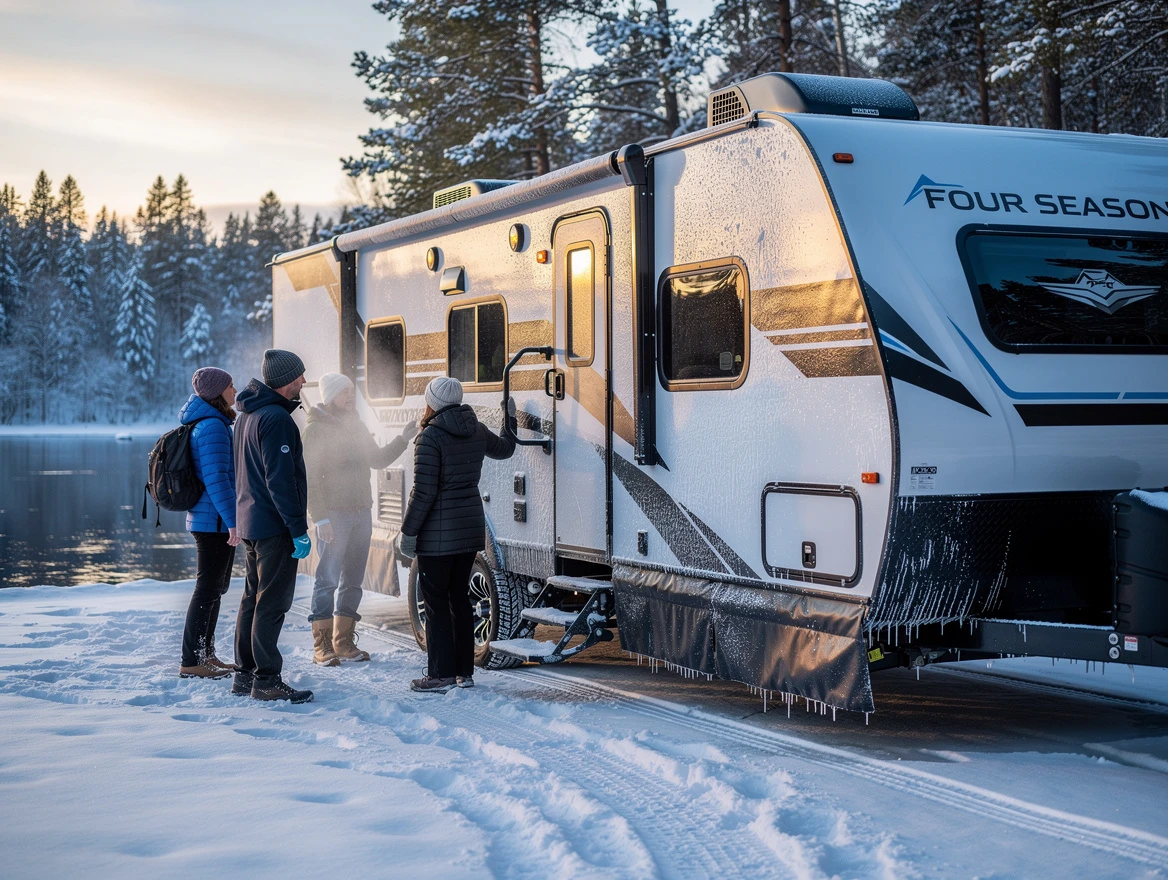
Not all RVs are built for the same environmental conditions, which complicates the answer to how cold is too cold for an RV. A unit marketed as four-season or arctic-rated typically features upgraded insulation, double-pane windows, and enclosed, heated underbellies that use furnace ducts to keep plumbing warm. These vehicles are designed to handle temperatures well below freezing, sometimes down to zero or lower, provided they are occupied and heated properly.
Ready to register your vehicle?
Join thousands of vehicle owners who use Ride Legal to handle their registration quickly.
Start Your Bespoke Registration →
Insulation and Thermal Efficiency
Standard RV insulation often relies on thin foam or fiberglass batts that lose thermal efficiency quickly. Four-season models use spray foam or rigid, high-R-value panels to create a much tighter seal. Without these features, your RV is essentially a metal or fiberglass box that leaches heat as efficiently as you can produce it. If you suspect your RV is not built for the cold, do not attempt to winter-camp without significant modifications.
Window and Door Seals
Heat loss is not just about wall thickness; it is about draft control. Standard single-pane windows act as heat sinks, allowing cold air to permeate the interior instantly. Owners of standard RVs frequently find that even with a space heater running, the temperature near the glass remains dangerously low. For those seeking long-term usage, upgrading window treatments or using thermal covers can help, but they cannot replace the structural integrity of a truly cold-weather-rated vehicle.
See How We Can Help With Your RV Ownership Solutions →
Preventative Measures for Freezing Conditions
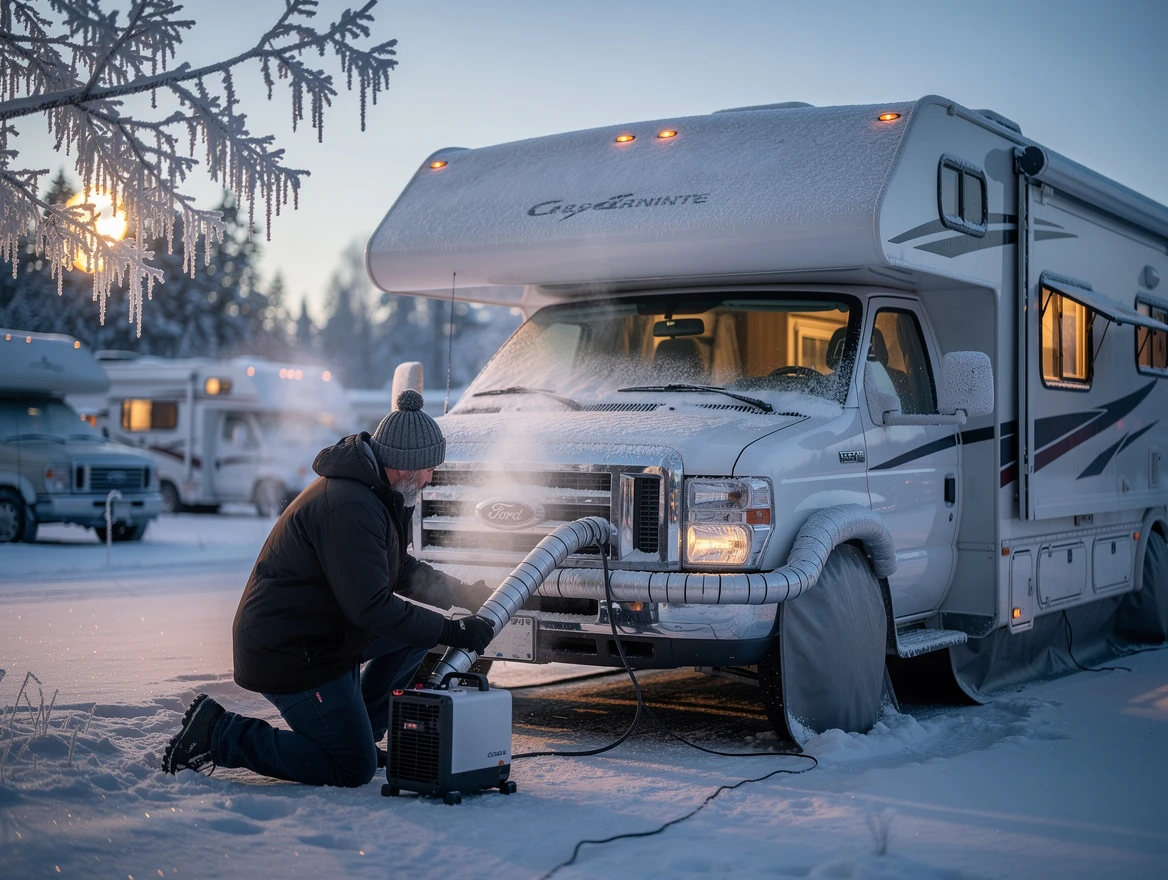
If you find yourself facing an unexpected cold snap, taking immediate action is essential to protect your asset. Many owners choose to register their vehicles in states like Montana to manage costs and simplify title paperwork, ensuring their assets are properly documented and ready for any season. When you aren't sure if your RV can handle the temperature, the safest path is always professional winterization.
Winterization Procedures
The standard process involves blowing out water lines with compressed air or using RV-specific antifreeze to displace all water in the system. Never use automotive antifreeze, as it is toxic and will ruin your plumbing. You must also bypass the water heater to make sure no liquid remains trapped in the tank. If you need help with documentation for a motorhome or high-value rig, you can find information on how to register and insure your camper or RV vehicle in California by reviewing our internal resources.
Monitoring Your Environment
Keep a wireless thermometer inside your RV, specifically near the water pump or the lowest cabinet area. This gives you a true reading of the ambient temperature where pipes are located rather than the temperature at eye level where you might have a space heater blowing. Remember that a properly maintained title is just as important as a properly maintained vehicle; for those in the market for exotic vehicles or heavy-duty rigs, we provide end-to-end registration assistance for your motorcycle title or motorhome.
Frequently Asked Questions
What should I do if my RV pipes freeze?
If you suspect your pipes have frozen, immediately shut off your water supply and open your faucets to relieve pressure. Do not turn the water heater on if it is empty, as this will damage the element. Gently warm the area using a small electric heater or by increasing the RV's interior temperature. If a pipe has already burst, you will see leaking once the ice melts; in this case, professional repair is necessary.
How cold is too cold for an RV battery?
Lead-acid batteries can suffer significant performance loss in freezing weather and can crack if they reach a low state of charge. When a battery is drained, the electrolyte becomes mostly water, which freezes easily. If you are storing your RV, remove the batteries and store them in a cool, dry place inside your garage or home where they won't freeze.
Can I live in an RV during winter?
You can live in an RV during winter, provided it is a four-season model and you are adequately prepared for the fuel costs. You will need a constant supply of propane for heating and may need to skirt the base of the RV to prevent cold air from circulating under the floor. Always make sure adequate ventilation to prevent condensation buildup, which can lead to mold and structural rot.
What is a heated underbelly?
A heated underbelly is an enclosed area beneath the RV floor that uses heat from the furnace to keep water tanks and plumbing lines above freezing. This is a standard feature in high-end rigs and is essential for anyone planning to use their vehicle in temperatures that consistently drop 32 degrees below.
Should I use an electric heater?
Electric heaters are helpful for supplemental warmth, but they do not replace the furnace. The furnace is usually the only system designed to push heat into the underbelly or basement areas where the plumbing resides. Relying solely on space heaters can actually lead to frozen pipes because they don't distribute heat to the hidden, vulnerable areas of the trailer.
Start Your Bespoke Registration, No Hidden Fees
Understanding how cold is too cold for an RV is a fundamental part of responsible ownership. Whether you are prepping for a winter in the mountains or ensuring your vehicle is ready for the next season of travel, protecting your plumbing and structure remains the priority. If your registration has expired or you are ready to simplify your asset ownership, reach out to our specialists for dedicated support with your vehicle documentation.
| RV Category | Cold-Weather Capability | Primary Risk |
| Standard / Weekend | Not Suitable (32F Limit) | Plumbing Burst |
| Extended Season | Resists light frost | Tank Freezing |
| Four-Season / Arctic | Below Freezing | Propane Exhaustion |
This is not legal or financial advice. Please consult your CPA/Attorney for all legal and financial guidance. Ride Legal is a privately owned website and is not operated by any government agency.