
How to Avoid Problems When Buying a Vehicle From Another State
05/11/2026 · Ride Legal
To avoid problems when buying a vehicle from another state, you must verify the title's status for liens, confirm the existence of a valid bill of sale, and understand the specific registration requirements of your home state versus the state where the vehicle is located. Most issues arise from incomplete documentation or mismatched VIN records, so performing a deep due diligence check before exchanging funds is essential to protect your purchase.
Start Your Bespoke Registration →
Proactive Steps to Identify Title Discrepancies
Updated on August 14, 2026
Buying a vehicle across state lines often feels complex because every state has its own specific set of documentation requirements. The first hurdle is almost always the title. A clean title is the gold standard, but you might encounter branded titles, salvage titles, or titles held by a lienholder. Before finalizing any transaction, require the seller to provide a clear photo of the front and back of the title. Cross-reference this with the NHTSA VIN Lookup to make sure the vehicle history matches the seller's claims.
Verifying the Chain of Ownership
Make sure the name on the title matches the name of the person selling you the vehicle exactly. If the seller is not the individual listed on the title, you are looking at a title-jumping scenario, which can make it impossible for you to register the vehicle in your name later. When you work through the purchase, confirm the seller has a notarized bill of sale if their state requires one for transfer. If you have questions about whether the seller has properly signed off, refer to our guide on What Happens If the Seller Never Signed the Title?
Handling Lien Releases
If the vehicle is financed, the title will be held by a bank. You cannot simply hand over cash to the seller and walk away with the title. Instead, you must coordinate with the lender to pay off the balance, which then triggers the release of the lien. This process can take several weeks, so be prepared for a delay in receiving the physical document. Always double-check odometer readings on all paperwork to prevent these common rejections.
Understanding the Benefits of a Montana LLC Strategy
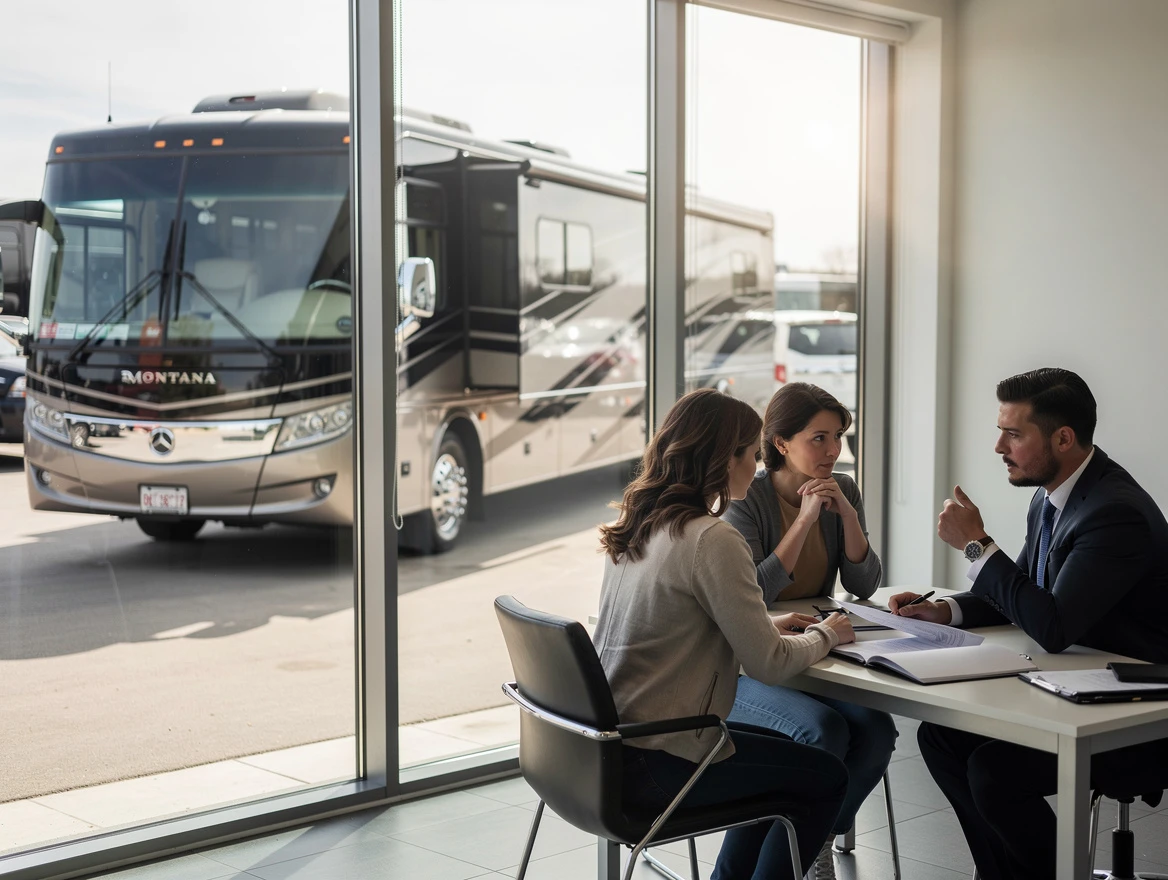
Many owners of exotic, classic, or high-value vehicles choose to register their assets through a Montana LLC to bypass the complexities of local registration. Because Montana does not impose sales tax on vehicle purchases, this strategy is highly popular for enthusiasts. By forming an entity, the LLC becomes the owner of the vehicle, which can provide a layer of asset protection. You can find more details on why this strategy is effective in our article on Protecting High-Value Vehicles: The Right Registration Strategy.
Ready to register your vehicle?
Join thousands of vehicle owners who use Ride Legal to handle their registration quickly.
Start Your Bespoke Registration →
No Sales Tax and Simplified Renewals
Registration in Montana eliminates the need to deal with varying tax rates across different jurisdictions. When you use our registration assistance, we manage the out-of-state paperwork with our paperwork support, so you do not have to personally visit any government offices. This experience allows us to identify potential roadblocks before they cause a delay in your registration process.
Compliance for Specialty Builds
If you are buying a custom, classic, or modified vehicle, registering it can be a nightmare in states with strict emissions or inspection standards. Montana registration is often the solution for these assets, as it focuses on the vehicle's classification rather than daily use. Learn more about this in our piece on the sophisticated approach to registering specialty builds.
| Registration Method | Key Benefit | Effort Level |
|---|---|---|
| Local DMV | Familiarity | High |
| Montana LLC | No Sales Tax | Low (Remote) |
| Bonded Title | Recover Ownership | Moderate |
See How We Can Help With Your Title Transfers →
Common Pitfalls During Out-of-State Transfers

Documentation errors are the primary cause of title transfer failures. Even a small discrepancy in the VIN or a missing signature can invalidate your entire application. Always review the Montana Motor Vehicle Division requirements if you are looking to register via an LLC. Our team provides remote paperwork support to make sure your application is submitted correctly the first time.
Managing Temporary Transit
Getting your vehicle from the seller's location to your home is another point of stress. You cannot operate a vehicle on public roads without valid tags. Many buyers wrongly assume they can drive home on the previous owner's plates, but this is a violation of traffic laws. You should look into temporary transit permits or have the vehicle professionally transported. Check out our resource, Can I get a temporary tag for a newly purchased vehicle? for more guidance.
Avoiding Odometer Discrepancies
Odometer fraud is a serious issue in private party vehicle sales. Always verify the mileage on the dashboard matches the mileage listed on the title and the bill of sale. If there is a discrepancy, do not complete the purchase until the seller provides a corrected, notarized statement. This is a critical step in avoiding long-term headaches with your state's registration office.
Frequently Asked Questions
What should I do if the title is missing?
If the vehicle you are buying has a missing title, the seller must apply for a duplicate title in their name before you proceed. Do not attempt to buy a car without a valid title, as you will likely be unable to register it. For more info, read our guide on How do I replace a missing vehicle title?
Why is a Montana LLC beneficial for exotic vehicle owners?
A Montana LLC is beneficial because it allows for the registration of vehicles without the imposition of state sales tax. It also provides a private, entity-based ownership structure that is well-suited for high-value and classic collections.
Can I register a vehicle in Montana if I do not live there?
Yes, you can register a vehicle in Montana by forming a Montana LLC. Our remote paperwork support helps you complete this process without needing to visit Montana in person.
What is the most common reason registration paperwork is rejected?
Based on our internal data, Odometer compliance is the most frequent reason for rejection. Ensuring all mileage disclosures are clear and accurate is vital to a successful registration.
Do I need to visit a DMV if I use Ride Legal?
We manage the out-of-state paperwork with our paperwork support, providing you with remote paperwork support. This means you avoid the need for physical visits to local government offices.
Start Your Bespoke Registration Today, No Hidden Fees
Buying a vehicle from another state is a manageable process when you have the right documentation and a clear plan. By verifying titles, checking VINs, and utilizing efficient registration strategies like a Montana LLC, you can protect your investment and enjoy your new asset. If you are ready to move forward, our team is prepared to provide the necessary support to keep your experience effortless.
This is not legal or financial advice. Please consult your CPA/Attorney for all legal and financial guidance. Ride Legal is a privately owned website and is not operated by any government agency.