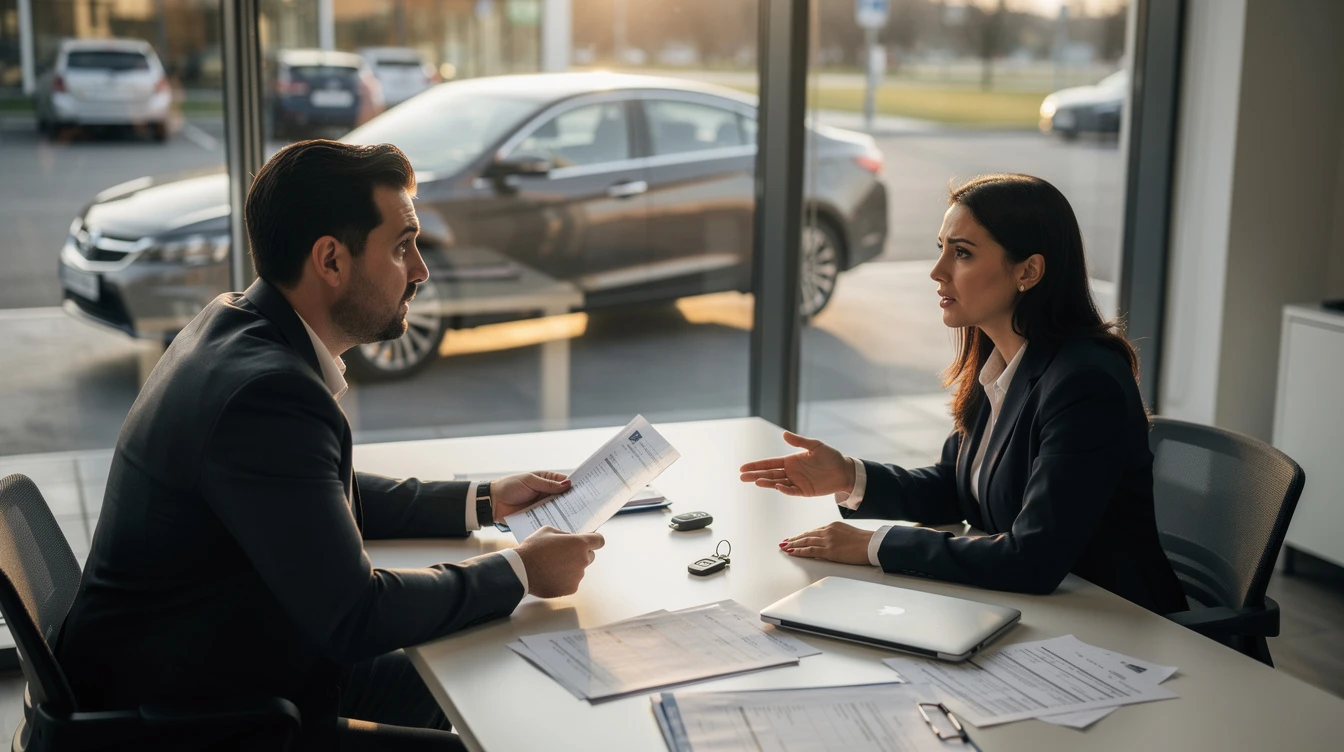
Buying a vehicle without a title is a complex process that carries significant risks, but it is possible to gain ownership if you follow specific, compliant procedures. To successfully handle this situation, you must verify the vehicle's history, make sure it is not stolen, and complete a bonded title application or a court-ordered title process in your state. Engaging in this process requires patience, as it involves coordinating with the Department of Motor Vehicles to prove you are the rightful owner through documented bills of sale and, in many cases, a surety bond.
Start Your Registration Today →
How to Buy a Car Without a Title and Maintain Compliance
Updated on September 9, 2026
When you look at purchasing a vehicle missing its ownership documentation, the first step is always verification. You must look at the vehicle identification number (VIN) to check for active theft reports or liens. Using a reliable VIN check service is essential to make sure that the asset you are buying is free of encumbrances.
Why Titles Matter in Ownership
A title is the only definitive document proving who owns a vehicle. Without it, you are buying a machine, but you lack the legal right to drive it on public roads or sell it later. Before exchanging funds, request a bill of sale that includes the VIN, the seller's signature, and the purchase price.
The Risks of Title-Less Purchases
Buying without a title means you might inherit a seller's debt. If a lienholder exists, they have a claim on the vehicle, and they can seize it regardless of your purchase. Always confirm that the person selling the vehicle is the actual owner listed on the last known registration.
Verified Steps for Missing Title Recovery

Recovering a title is an administrative process that varies by state. In many jurisdictions, you will need to file for a bonded title. This is essentially a way to guarantee to the state that you own the vehicle and that no one else will claim it.
Ready to register your vehicle?
Join thousands of vehicle owners who use Ride Legal to handle their registration quickly.
Start Your Bespoke Registration →
Applying for a Bonded Title
A surety bond provides financial protection for the state if it turns out the title was issued incorrectly. You pay a bespoke for this bond, which is usually a small fraction of the vehicle's value. Once you have the bond, you present it to your local motor vehicle office along with an inspection report to initiate the title issuance process.
Court-Ordered Titles
If a bond is not an option, you may need to pursue a court order. This involves filing a petition to have a judge declare you the owner of the vehicle. This path is often used for abandoned vehicles or estate vehicles where the original title is lost or destroyed.
Comparison of Title Recovery Methods
Choosing the right method depends on the vehicle's history and the laws of the state where you plan to register. Below is a breakdown of common approaches to reclaiming title status.
| Method | Complexity | Best For |
|---|---|---|
| Duplicate Title | Low | Owner lost their own title |
| Bonded Title | Moderate | Purchase with bill of sale only |
| Court Order | High | Abandoned or estate vehicles |
| Montana LLC | Expert | High-value, non-titled collector assets |
See How We Can Help With Your Title Transfer →
Specialized Registration Solutions for Unique Vehicles
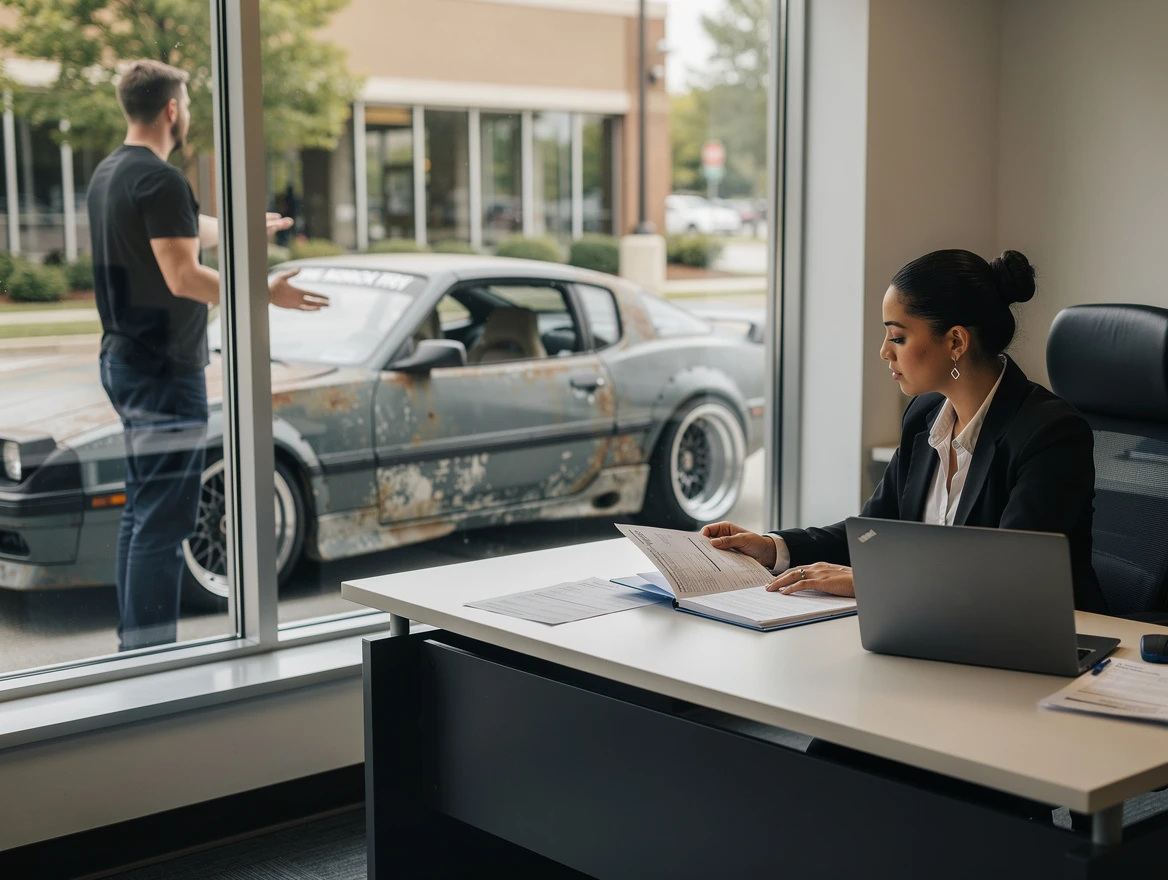
For those who own high-end assets or specialized collector vehicles, navigating state bureaucracy can be exhausting. Many owners prefer using a professional service to handle the documentation. A dedicated registration concierge can make sure that every filing is correct, reducing the risk of errors that could delay your ownership rights. You can learn more about how we manage these tasks by looking at our Bespoke Vehicle Registration Concierge services.
Why Consider a Montana LLC for Ownership
Forming an LLC to hold your vehicle can provide structure for your ownership. This is a common strategy for collectors who maintain multiple assets. It is also worth reading about how someone can handle vehicle registration for you to avoid the stress of manual paperwork.
Frequently Asked Questions About Missing Titles
Can I drive a vehicle without a title?
No, you cannot drive a vehicle on public roads without a valid registration, which requires a title. Doing so may result in citations or vehicle impoundment. You should keep the vehicle off the road until the title issue is resolved.
How do I know if the car is stolen?
Always run a VIN check through a national database before buying. If the seller refuses to provide the VIN, do not complete the purchase. This is the single most important safety step when learning how to buy a car without a title.
Is a bill of sale enough to prove ownership?
A bill of sale is evidence of a transaction, but it is not a title. The state requires a title or a court-ordered document to recognize you as the owner. Use the bill of sale as supporting evidence when you apply for a bonded title.
What is the most expensive part of getting a title?
The cost of the surety bond is usually the largest expense, often based on the appraisal of the vehicle. Fees for title processing and any filings for court orders should also be accounted for in your budget.
How long does the title recovery process take?
The duration depends on your state and the complexity of the filing. Simple title recovery can take a few weeks, while court-ordered titles can take several months. Using a professional service to assist with the paperwork can help keep the process moving efficiently.
Start Your Bespoke Registration →
Buying a vehicle without a title is a significant undertaking that requires thorough research and careful attention to state-specific requirements. By securing a bill of sale, verifying the VIN, and pursuing the correct title recovery path, you can successfully establish ownership. Whether you choose a bonded title or a professional registration service, make sure your documentation is precise to avoid complications down the road.
This is not legal or financial advice. Please consult your CPA/Attorney for all legal and financial guidance. Ride Legal is a privately owned website and is not operated by any government agency.