
To make a race car street-legal, you must equip the vehicle with required safety and lighting components, such as functional headlights, turn signals, mirrors, and a horn, while ensuring the chassis meets local safety standards. Once these modifications are complete, the process involves obtaining the necessary registration documents to provide the asset with a title and valid plates, which often requires remote paperwork support.
Start Your Bespoke Registration →
Modifications Needed to Make a Race Car Street-Legal
Updated on September 2, 2026
Transforming a track-only machine into a vehicle permitted on public roads requires a systematic approach to hardware. Most race cars lack the basic equipment that state regulations demand for highway operation. You should start by evaluating the gaps between your current track setup and the standard equipment found on a road-going vehicle.
Lighting and Visibility Requirements
Street use mandates clear visibility. You will need to install DOT-approved headlights, including both high and low beams, as well as functional tail lights and brake lights. Turn signals on both the front and rear are typically required, along with reflectors on the sides of the vehicle to alert other drivers. Do not overlook the necessity of side-view and rearview mirrors, as track-specific side mirrors often provide insufficient rear-facing visibility for public traffic.
Safety and Instrumentation Essentials
Beyond lights, your vehicle must demonstrate safety compliance. This includes a horn that meets decibel requirements and windshield wipers if the car is equipped with a windshield. Speedometers and fuel gauges are not just for convenience, they are often required by local authorities to make sure you are monitoring your speed and range properly while driving on public pavement. If you are struggling with the process, look at our Exotic Car Registration Issues and Solutions Explained to understand common roadblocks.
Emissions and Exhaust Considerations
Many jurisdictions require a catalytic converter and a muffler system that keeps noise levels within a specific range. While racing exhaust systems are designed for peak power, they are rarely quiet enough for residential or urban areas. You may need to add a specialized exhaust dampening system to make sure your vehicle remains compliant with local noise ordinances.
Registration Paperwork and Establishing Your Vehicle Status

Hardware is only half the battle, as your vehicle must also be documented correctly in the eyes of the state. Many owners choose to form a Montana LLC to provide a professional structure for their high-value assets. This provides a clear, compliant path for registering specialized vehicles that might not fit the standard consumer registration mold.
Ready to register your vehicle?
Join thousands of vehicle owners who use Ride Legal to handle their registration quickly.
Start Your Bespoke Registration →
We know exactly where the friction points are. The most frequent reason documents come back for correction is Odometer compliance, so take the time to document your mileage accurately from day one. You can read more about the benefits of this approach in why are so many supercars sporting montana plates? to see why this is a preferred method for enthusiasts.
The Role of Title Documentation
You cannot register a vehicle without a clear title. If your race car is a dedicated chassis that lacks a title, you must look into bond-based title recovery services to establish ownership. This process creates a paper trail that proves your claim to the vehicle, allowing you to move forward with registration. You can look at how we assist with this in our guide to What Is the Process for Title Recovery If My Car Title Is Damaged or Lost.
Insurance and Liability Coverage
A vehicle on the street needs street-legal insurance. You cannot rely on track-day policies, which often exclude public road use. Contact a provider who understands high-value or specialty assets, as they can provide the necessary coverage to protect your investment. A deeper look at this is found in Your Exotic Car's Insurance Is Only as Strong as Its Registration.
| Component | Requirement | Purpose |
|---|---|---|
| Lighting | DOT-approved | Safety and visibility |
| Mirrors | Two or more | Rear and side awareness |
| Horn | Audible | Communication |
| Tires | DOT-approved tread | Road traction |
| Emissions | System-specific | Environmental compliance |
Let Us Handle It, See How We Can Help With Your Registration Today →
Preparing Your Vehicle for Different Seasons
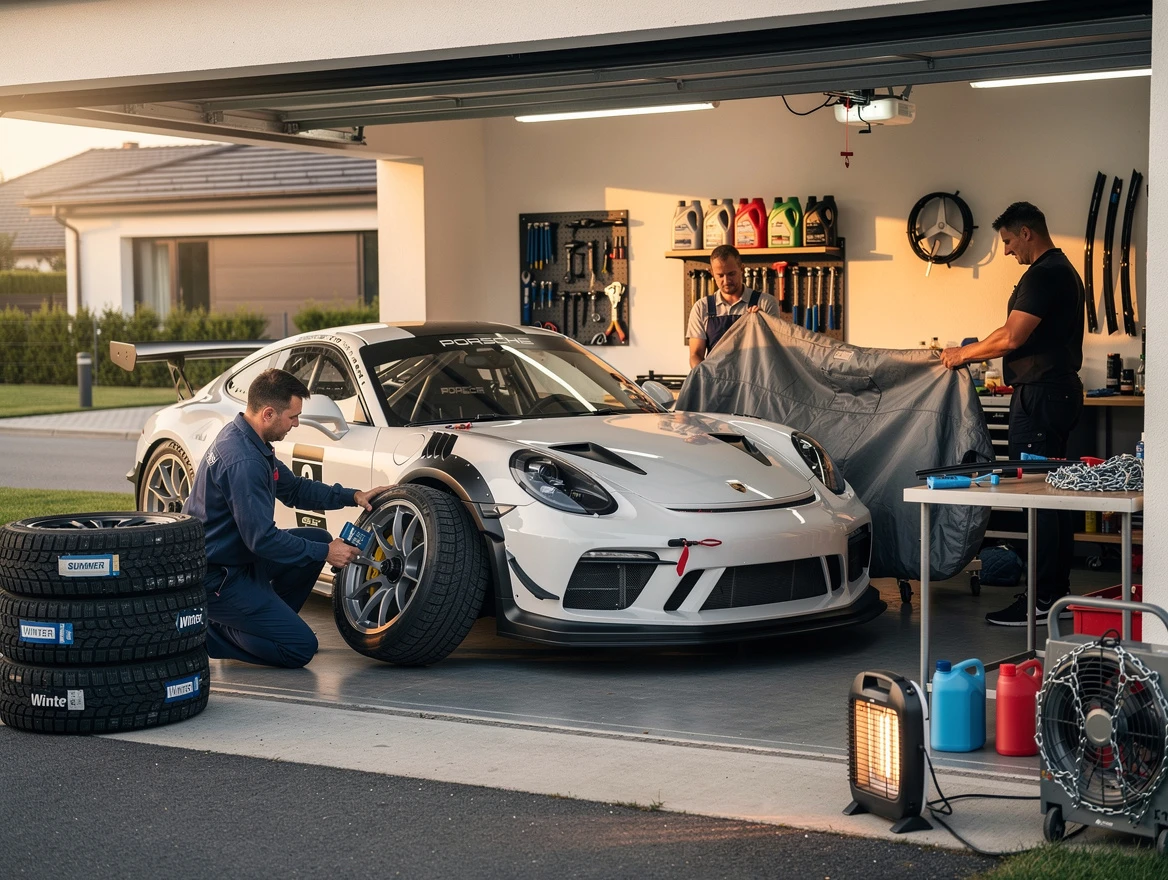
Whether you are prepping for a sunny weekend or planning your holiday travel, your vehicle needs to stay road-ready. If you are looking for Father's Day ideas for the enthusiast in your life, you might consider ensuring their favorite machine is ready for the road with a proper registration status. Read Father's Day Ideas That Actually Mean Something to the Dad Who Rides for inspiration on how to celebrate the motor enthusiast in your family.
Holiday and Seasonal Maintenance
Keep your 2026 holidays calendar in mind when planning your driving events. If you are traveling during Thanksgiving Day 2026, make sure your plates and registration documents are up to date and physically present in the vehicle. Proper documentation prevents unnecessary delays when you should be enjoying the road.
Documentation Storage
Always keep a folder of your current registration and insurance cards in the cabin. If you are pulled over, having these documents organized shows you have taken the necessary steps to remain compliant. For those who enjoy the culture, you might like our post on florida supercar saturday crowd awestruck: survivor’s triumph and a track for a look at the community.
Frequently Asked Questions
What are the first steps to make a race car street-legal?
The first steps involve verifying if your chassis has a valid title. Without a title, you cannot begin the registration process. Once you confirm your ownership, research your local safety requirements, as these vary by state. Then, source the necessary parts like DOT-approved lights, tires, and mirrors to bring the vehicle up to code.
Can I register a non-titled track car?
Registering a car without a title is significantly more difficult, but not impossible. You typically need to use a bonded title process or a similar recovery method to establish ownership before any state will issue registration documents. This requires documentation of the purchase history and a process of verification through the state.
How long does the registration process typically take?
The timeline varies depending on the current backlog of the specific state office and how complete your documentation is. When utilizing our private registration assistance, we prioritize accuracy to prevent rejections.
Do I need to worry about emissions testing?
Most states require some form of emissions compliance for vehicles driven on public roads. However, some states, such as Montana, do not have emissions testing requirements. This is one reason why many enthusiasts choose to register through a Montana LLC, as it provides a predictable path without the need for constant emissions re-testing.
What should I do if my registration is rejected?
If your paperwork is returned, it is usually because of a missing signature, an odometer discrepancy, or a lack of proper proof of ownership. Review the notice provided by the agency to identify the specific error. For help with common issues, see our guide on Why Your Vehicle Registration Gets Rejected and How to Fix It.
Start Your Bespoke Registration, No Hidden Fees
Making a race car street-legal is a rewarding journey that opens up new opportunities to enjoy your machine beyond the track. By focusing on safety, equipment, and compliant documentation, you can transition your asset for public road use while protecting your investment. If you are ready to move forward, our team is standing by to provide the paperwork support you need to get back on the road.
This is not legal or financial advice. Please consult your CPA/Attorney for all legal and financial guidance. Ride Legal is a privately owned website and is not operated by any government agency.