
Protecting Family Powersport Assets | The Provider's Guide
06/11/2026 · Ride Legal
The provider's guide to protecting every asset your family depends on requires establishing verifiable vehicle titles, isolating recreational equipment inside a dedicated entity, and maintaining active registration for every powersport machine on your property. By moving side-by-sides, utility all-terrain vehicles, and dual-sport motorcycles into a protective ownership framework, you shield household savings from unforeseen personal liabilities while keeping vital machinery operational. Establishing clear title documentation and structured ownership makes sure your operational equipment remains compliant, protected, and easily transferable across generations.
As head of the household, your primary duty is shielding what you have built. Many providers invest heavily in life insurance, trusts, and home security, yet completely overlook the high-value utility task vehicles, quad bikes, and trail motorcycles sitting in their workshops. In rural communities, suburban acreage, and family retreats, these machines represent tens of thousands of dollars in mechanical utility and recreational freedom. When left titled in personal names or neglected with ambiguous bills of sale, they create sudden vulnerabilities that threaten family security.
This guide explains how to secure your powersport equipment against civil liability exposure, administrative confiscation, and unnecessary state tax burdens. You will learn the exact titling strategies, business entity frameworks, and documentation practices needed to maintain an ironclad equipment portfolio that serves your family for decades.
Start Your Bespoke Registration →
Practical Titling Strategies: The Provider's Guide to Protecting Every Asset Your Family Depends On
Updated on September 23, 2026
Securing family wealth begins by addressing how your off-road and utility vehicles are titled. A machine without a clear certificate of title is an operational vulnerability waiting to cause financial friction.
Why Powersport Titles and MSOs Carry Major Liability Risks
When you purchase a side-by-side or trail motorcycle from an individual or private seller, you often receive only a Manufacturer Certificate of Origin or a handwritten bill of sale. Holding an untitled machine under your personal name leaves your broader estate exposed. If an accident occurs on or off your property involving that equipment, plaintiffs look directly at personal balance sheets for restitution.
A Manufacturer Certificate of Origin is merely proof of manufacture, not proof of ownership. If you never convert that certificate into an authentic state title, proving entity ownership during an insurance claim or estate division becomes extremely difficult. Our sister publication explains this reality clearly in Title Isn't Always Ownership: The Reality Most People Miss. Proper titling establishes an unshakeable boundary between family property and third-party disputes.
How an Unregistered Side-by-Side Exposes Household Net Worth
Many providers assume off-road machines do not need state registration because they never leave private property. That assumption collapses the moment a teenager drives the side-by-side down a public gravel connector or an unexpected emergency forces you onto a county road. Operating an unregistered machine can result in impoundment, heavy fines, and outright denial of insurance coverage following a collision.
When an insurer discovers that a machine operated outside the scope of its policy or without valid road credentials, they can deny liability coverage entirely. Suddenly, medical costs, property damage claims, and litigation costs fall squarely on your family bank accounts. Taking the time to secure street-legal registration guarantees that your machine carries full statutory protection on both public trails and county thoroughfares.
The Difference Between a Bill of Sale and Indisputable Ownership
A handwritten bill of sale is merely a receipt showing that money exchanged hands between two parties. It does not prove that the seller possessed clear authority to sell, nor does it clear prior liens recorded against the vehicle identification number. If the previous owner carried an unpaid loan, lenders can lawfully repossess the machine right out of your barn.
Protecting your household means turning paper receipts into government-issued certificates of title. If you purchased equipment and the prior owner vanished or failed to sign paperwork properly, review what happens when a seller forgot to sign title documentation. Always run the machine through our VIN check service and verify background records.
Entity Structuring: The Provider's Guide to Protecting Every Asset Your Family Depends On

Titling equipment properly is only the first layer of defense for a dedicated provider. Isolating high-horsepower machinery inside a separate entity prevents recreational accidents from impacting personal investments, primary residences, and children's savings.
Ready to register your vehicle?
Join thousands of vehicle owners who use Ride Legal to handle their registration quickly.
Start Your Bespoke Registration →
Using a Montana Entity to Hold Recreational Machinery
Forming an asset-holding company in a state like Montana provides an elevated layer of privacy and liability protection. When you place your UTVs, quads, and high-performance dual-sport bikes inside a Montana limited liability company, the company owns the vehicles, not you personally. This corporate veil shields your family home, retirement accounts, and personal liquid cash from claims originating from equipment use.
Look, high-horsepower powersports carry inherent physical risks. Even when safety rules are strictly enforced, guest riders or teenage drivers can suffer accidents. If an unfortunate incident occurs, claimant attorneys can typically only seek recourse against the assets held inside that specific corporate structure. The state framework maintained by the Montana Secretary of State allows out-of-state residents to compliantly establish holding entities specifically for asset protection.
Eliminating Unnecessary Sales Tax Burdens Compliantly
Montana does not charge a general state sales tax on personal property, including powersport vehicles and motorcycles. When your newly formed company acquires equipment, it registers those assets compliantly without incurring five-figure sales tax charges. The official guidelines published by the Montana Department of Revenue confirm zero percent sales tax across asset registrations.
Consider a provider who maintains three high-end utility machines: a modern four-seat utility task vehicle, a long-distance adventure motorcycle, and two utility quads for property maintenance. Purchasing and registering these machines in high-tax jurisdictions like California, Washington, or New York could trigger $8,000 to $15,000 in immediate sales taxes. By using a Montana holding company, you keep that capital working inside your family balance sheet while securing permanent, unencumbered titles. To look at tailored solutions for exceptional machines, visit Extraordinary Vehicles.
Maintaining Clear Asset Inventories for Generational Continuity
True family leadership extends beyond immediate survival to generational wealth preservation. When utility and recreational machines are titled across haphazard personal names, settling an estate during probate becomes an expensive nightmare. Heirs often face conflicting state requirements, lost paperwork, and unexpected transfer taxes just to maintain working ranch equipment.
Holding your powersports inside a unified corporate entity simplifies family continuity. When passing down equipment to adult children, you simply transfer ownership units of the holding company rather than paying multiple title transfer fees at a county office. It guarantees your working homestead equipment remains functional and unencumbered, regardless of life transitions.
| Ownership Strategy | Liability Exposure | Sales Tax Impact | Title Permanence | Generational Transfer |
|---|---|---|---|---|
| Personal Title (Home State) | High: Personal net worth directly exposed | High: 6% to 10% paid immediately | Requires annual local county renewals | Complex: Subject to local probate delays |
| Bill of Sale Only (No Title) | Extreme: Zero statutory protection | None initially: Vulnerable to penalties | None: Risk of repossession or impoundment | Impossible: Heirs cannot verify ownership |
| Montana LLC Holding | Low: Corporate veil insulates household | Zero: 0% statutory Montana sales tax | Permanent plates available on select machinery | Simplified: Transfer ownership |
See How Concierge Title Support Protects Your Assets →
Addressing Operational Vulnerabilities: The Provider's Guide to Protecting Every Asset Your Family Depends On
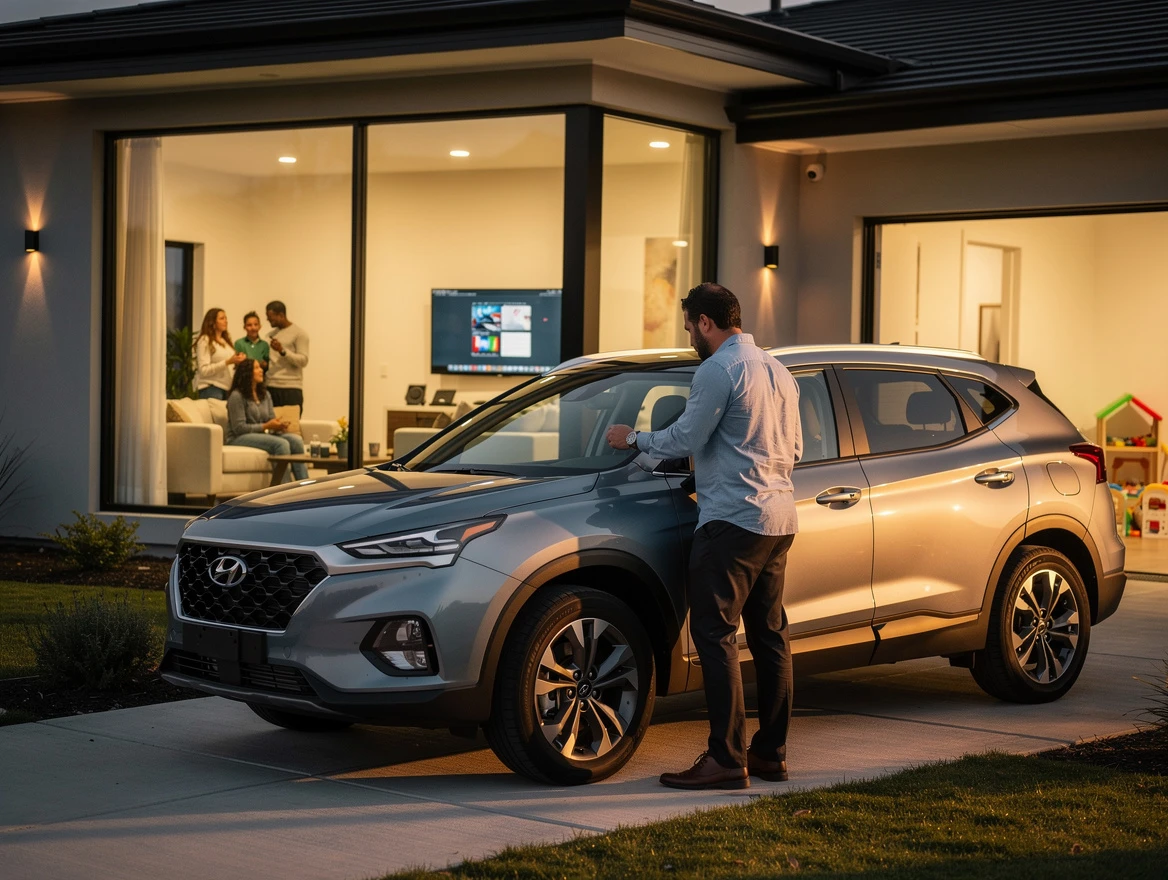
Even the most careful providers make administrative mistakes that compromise their machinery. Avoiding common bureaucratic pitfalls keeps your recreational and utility fleet fully protected across all fifty states.
Title Jumping and Unassigned Manufacturer Certificates of Origin
Title jumping occurs when a buyer purchases a motorcycle or side-by-side and sells it to a third party without ever titling the machine in their own name. While common in off-road circles, this practice creates severe title defects. If you buy a quad bike with an unassigned title or skipped names, your state will reject the application immediately.
Understanding state titling statutes prevents you from getting stuck with an unregistrable machine. For a breakdown of these titling risks, study why title jumping creates immense complications before handing over funds. If you find yourself holding an unassigned title, review our guide on what to do when your vehicle registration is denied so you can correct paperwork errors compliantly.
Inadequate Insurance Coverage on Modified Trail Equipment
Providers frequently add thousands of dollars in functional upgrades to utility side-by-sides: snow plows, heavy-duty winches, enclosed cabs, hydraulic lifts, and specialized track systems. Standard off-road insurance policies rarely account for these upgrades unless specifically endorsed. Worse, if your machine is not registered properly with verifiable documentation, an insurance carrier can void a payout during a total loss.
To guarantee that your capital remains secure, your insurance policy must match the titling entity and reflect actual replacement value. If the machine is owned by your Montana holding company, the insurance policy must list that company as the named insured, with you listed as the primary operator. When these documents align perfectly, claim payouts proceed without administrative challenges.
Overlooking Registration Deadlines on Working Homestead Utility Vehicles
Working equipment on farms and homesteads often sits for months between heavy seasonal jobs. It is simplified to miss annual renewal dates when you are busy managing your business and family. Yet operating equipment with expired tags, even across a brief county easement, opens the door to traffic citations and entity disputes.
Many providers find success by taking advantage of Montana permanent registration options. For qualifying utility vehicles and mature motorcycles, the state provides permanent registration options that completely eliminate annual renewal paperwork. The Montana Motor Vehicle Division establishes clear eligibility pathways for permanent plates, giving you one less logistical chore to manage. If you are preparing equipment for seasonal ranch duties or family trips around 2026 major holidays, getting permanent credentials in order ensures uninterrupted utility.
Frequently Asked Questions About Powersport Asset Protection
Can you compliantly hold multiple utility vehicles under one Montana LLC?
Yes. A single Montana limited liability company can hold title to multiple powersport vehicles, including side-by-sides, quads, and dual-sport motorcycles. Holding multiple assets inside one entity simplifies your administrative records while creating a unified corporate boundary around your recreational equipment. When you purchase new machinery in the future, your company can acquire and register those units without requiring the creation of separate entities.
What happens if an unregistered UTV causes property damage off-road?
Operating an unregistered machine leaves you vulnerable to total personal financial responsibility. If a driver loses control of your unregistered UTV and damages neighboring structures or causes injury, private insurance carriers frequently deny coverage due to non-compliant equipment status. You could face personal civil lawsuits that place your family residence, investments, and personal savings at direct risk. Proper titling and registration provide the documentary foundation necessary for valid insurance coverage.
How does proper titling protect family assets during estate transfers?
When powersports are registered solely in an individual personal name, those vehicles must go through county probate court upon the owner's passing. Probate can tie up equipment for months, preventing surviving family members from selling, operating, or maintaining working machines. By holding vehicles inside a formal company, the company remains alive regardless of personal transitions. The designated successor simply assumes management of the entity, keeping working property operational without court intervention.
Why is a Manufacturer Certificate of Origin not enough to protect ownership?
A Manufacturer Certificate of Origin only verifies that a machine was built by a factory. It does not record liens, verify tax compliance, or confer recognized title ownership under state motor vehicle codes. Without converting an origin certificate into an issued title, you cannot compliantly register the vehicle for road use, obtain standard commercial financing, or prove indisputable ownership if the machine is stolen and recovered across state lines.
Does out-of-state powersport registration affect local insurance coverage?
In most jurisdictions, national insurance carriers have no issue insuring a vehicle registered out of state, provided the underwriting policy correctly identifies where the vehicle is garaged. When setting up coverage, you name your holding company as the vehicle owner and list your primary residence or ranch property as the physical garaging address. This structure maintains complete transparency with your insurer while retaining the entity protections of your out-of-state title.
What documentation is needed to title a side-by-side without a clear paper trail?
If you purchased a machine with missing paperwork, you typically need a notarized bill of sale, a verified vehicle identification number inspection, and historical chain-of-custody documentation. In situations where prior titles were lost by past owners, alternative state registration pathways or bonded titling procedures can establish a fresh, unencumbered record. For bikes without existing titles, learn more from Have a Motorcycle With No Title? Here’s How to Get One, or review our guide on what to do if you never transferred car title paperwork.
Start Your Bespoke Registration Today, With No Hidden Fees →
Protecting the tools, machinery, and recreational assets your family depends on requires proactive planning and diligent paperwork. When you take the time to convert informal paperwork into authentic titles and house valuable powersports inside a dedicated entity, you eliminate catastrophic liabilities and preserve hard-earned household capital. Take control of your equipment portfolio today by choosing to get started with proven ownership strategies that keep your family prepared, protected, and free to ride.
This is not legal or financial advice. Please consult your CPA/Attorney for all legal and financial guidance. Ride Legal is a privately owned website and is not operated by any government agency.