
5 Registration Mistakes That Can Hurt a Collector Car’s Value
05/08/2026 · Ride Legal
Improper registration processes for high-value assets often lead to title clouds, missing documentation, and significant depreciation that collectors can avoid. By maintaining accurate ownership records and ensuring your paperwork matches the vehicle's specific history, you protect the long-term investment value of your collector car. Neglecting these details frequently results in complex legal challenges when it comes time to sell or trade your asset.
1. Inconsistent Paperwork Leading to Title Clouds
Updated on August 13, 2026
One of the most frequent errors involves minor discrepancies between the name on the title, the insurance policy, and the registration document. When these details do not align, prospective buyers often walk away due to concerns about the vehicle's provenance. A clean, consistent paper trail is essential for maintaining the marketability of any exotic or vintage asset.
The Dangers of Mismatched Ownership
If your name appears differently on your driver’s license compared to the vehicle title, you may face roadblocks during a future sale. Always make sure that legal entities or personal names are handled with absolute consistency across every document associated with your motorcycle title or vehicle registration.
Why Documentation Precision Matters
Documentation errors are more than administrative inconveniences, they are potential valuation killers. When a buyer conducts a background check and sees inconsistencies, they will naturally assume the vehicle has been poorly maintained or that the ownership history is compromised.
2. Failing to Address Out-of-State Title Transfer Delays

Moving a vehicle across state lines requires a deep understanding of varying jurisdictional requirements. Many collectors fail to initiate the motorcycle title transfer service early enough, leading to lapsed registrations and potential penalties that complicate future sales. Effective management of these transfers is detailed in our guide on How to Avoid Title Transfer Delays After Buying a Used Vehicle.
Ready to register your vehicle?
Join thousands of vehicle owners who use Ride Legal to handle their registration quickly.
Start Your Premium Registration →Common Pitfalls in Interstate Transfers
Every state has unique requirements regarding inspections and tax filings. By delaying your title transfer, you risk accumulating late fees or triggering unnecessary audit flags within the state motor vehicle system. Being proactive ensures you retain a valid, current registration that reflects the true value of your vehicle.
Streamlining the Transfer Process
Instead of managing multiple state departments alone, many collectors use private registration assistance to make sure compliance. This prevents the common mistakes that arise from assuming one state's rules apply to another.
3. Ignoring the Benefits of the Montana LLC Structure
Forming a Montana LLC is a strategy used by sophisticated owners to protect their assets while managing registration costs. Registering a vehicle through an LLC can provide a clear boundary between personal liabilities and the vehicle asset. Learn more about this in our article, Why Registering a Vehicle in Montana Without an LLC Can Backfire.
Asset Protection and Ownership Clarity
When you hold a vehicle title under a corporate entity, you simplify the transition of ownership should you choose to sell the vehicle to a partner or another collector later. This structure provides a level of separation that is highly valued in the collector community. For those interested in the financial benefits, our Montana LLC Savings Calculator, How Much Will You Save? provides a clear view of potential operational efficiencies.
Compliance Requirements for LLC Owners
A Montana LLC requires periodic filings with the Secretary of State. Staying current with these reports is a simple requirement that keeps your registration active and your assets compliant. Visit the Montana Secretary of State, Business Entity Search to verify your entity status.
4. Neglecting VIN Verification and History Records
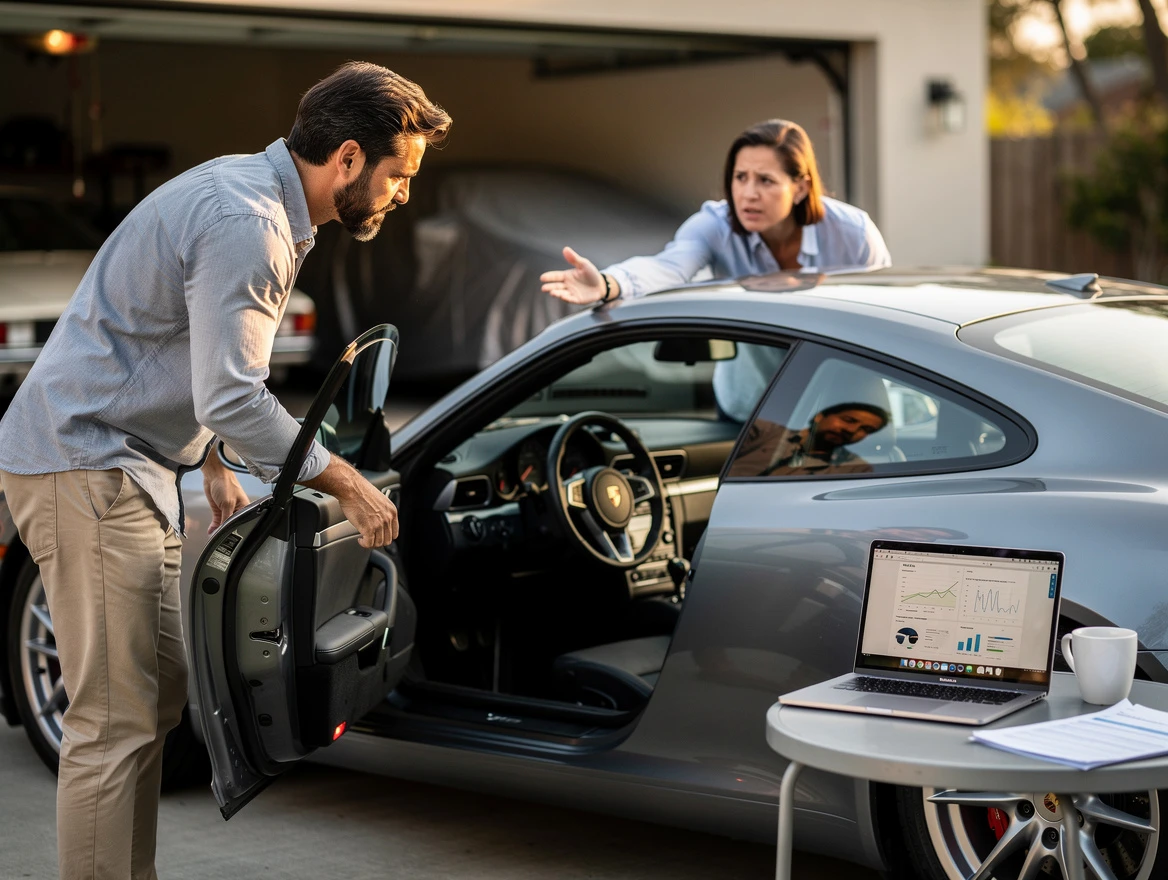
The vehicle identification number is the heart of a car’s history. Failure to maintain accurate records regarding the VIN can lead to catastrophic valuation losses, especially if a vehicle has ever been salvaged or rebuilt. Always use our our VIN check service to confirm your asset's history before attempting any registration changes.
Why VIN Accuracy Is Critical
If your VIN records do not match the physical plate on the chassis, you will encounter immediate friction at the point of resale. This is often the first thing a serious buyer will investigate. Make sure your records match the NHTSA VIN Lookup data to provide full transparency.
Records That Support Your Provenance
Keeping original bills of sale, service history, and registration cards in a single file folder adds immense value to the vehicle. Collectors love a paper trail that dates back to the original purchase, so do not let your registration documents fall into disarray.
| Mistake Type | Impact on Value | Fix |
|---|---|---|
| Mismatched Names | High - Buyer Suspicion | Standardize legal names across all documents |
| Late Title Transfer | Medium - Late Fees | Start transfer immediately upon purchase |
| Missing LLC Filings | Low - Risk of Dissolution | Schedule annual reporting deadlines |
| Inaccurate VIN Data | High - Potential Fraud Flags | Verify against NHTSA and keep records |
5. Skipping Professional Registration Assistance
Trying to manage the complexities of registration alone often leads to avoidable errors. Professional registration assistance services help you bypass the typical frustrations associated with DMV bureaucracy while ensuring every document is handled correctly the first time.
The Cost of DIY Registration Mistakes
DIY errors often result in double-taxation, lost titles, or incorrect odometer readings. These are difficult to reverse and can haunt an asset's record for years. Using a specialist ensures that the registration process is handled with the precision required for high-end assets.
How We Guide You Through the Process
We provide remote paperwork support that guides you through the complex filings required for your specific state. You get the peace of mind that comes from knowing your documentation is being reviewed by specialists who understand the nuances of collector vehicle registrations.
Frequently Asked Questions
Why does my name discrepancy on registration affect my car value?
Buyers look for a seamless ownership history. When the name on the title does not match your current documentation or the insurance, it raises questions about the vehicle's true ownership and legitimacy. This lack of transparency can cause buyers to lose confidence, forcing you to lower your price to compensate for the risk.
How does an LLC help with collector car registration?
A Montana LLC separates the vehicle from your personal assets, providing an organized structure for ownership. It simplifies the registration process, allows for efficient tax management, and keeps your title work separate from personal legal or financial issues, which is highly beneficial for the long-term preservation of your vehicle's value.
What is the most common reason for registration rejection?
Data entry errors, specifically regarding odometer readings and VIN numbers, are the most frequent reasons for rejection. These small, easily made mistakes stop the entire process and require manual corrections that can take weeks to resolve, potentially missing deadlines or creating unwanted gaps in your registration coverage.
Can I register a vehicle in another state?
Yes, many vehicle owners use the Montana LLC registration structure to manage assets across state lines. However, you must comply with state-specific regulations regarding residency and commercial vehicle usage. It is best to consult with registration specialists who can guide you through the process for your specific situation.
How do I know if my collector car title is clear?
A clear title shows no liens or salvage history. You can verify this by checking your state's motor vehicle database or requesting a professional history report through our VIN check service. Always clear any existing liens before attempting a transfer to make sure the process remains efficient.
Protecting your collector car’s value requires more than just maintenance and storage. By carefully managing your registration, ensuring accurate paperwork, and using professional registration assistance, you maintain the pristine provenance that attracts serious buyers. Start your journey toward seamless ownership today.
This is not legal or financial advice. Please consult your CPA/Attorney for all legal and financial guidance. Ride Legal is a privately owned website and is not operated by any government agency.