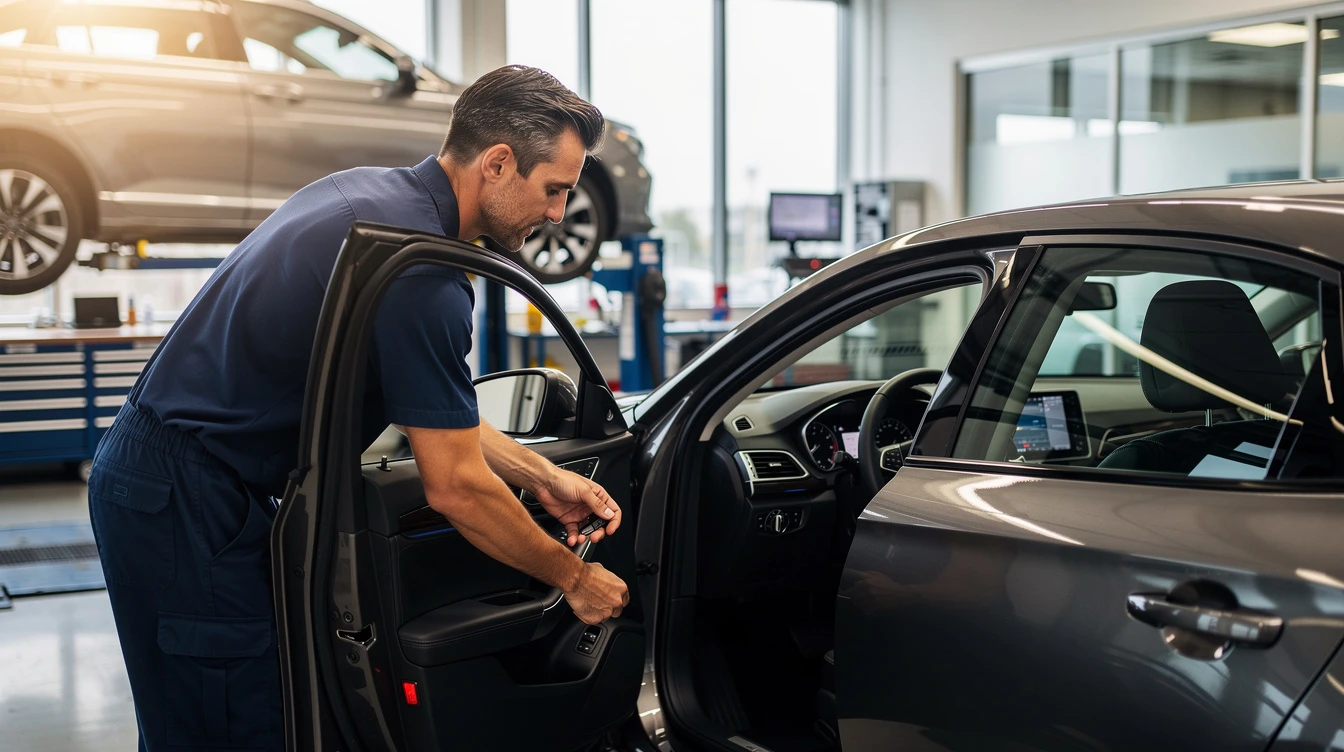
VIN Inspections Explained: What Every Car Owner Should Know
06/04/2026 · Ride Legal
A vehicle identification number (VIN) inspection is a formal verification process where a state-authorized official confirms your vehicle's physical VIN plate matches the records on its title and registration. This process is essential for preventing vehicle theft, ensuring title transfers, and confirming that a vehicle is what its documentation claims it to be.
Understanding this process helps owners of exotic, collector, and powersport vehicles avoid delays when navigating titling or registration hurdles. Whether you are dealing with a classic restoration, a custom build, or an out-of-state title transfer, knowing how to approach a VIN inspection is critical for a smooth experience.
Why VIN Inspections Are Required for Title Transfers
Updated on September 17, 2026
VIN inspections serve as the primary bridge between the physical vehicle and the bureaucratic records managed by state agencies. When a vehicle changes ownership, moves across state lines, or requires a new title, state officials must verify that the VIN on the chassis or door jamb is identical to the one on the title document.
Preventing Fraud and Protecting Ownership
By requiring a physical inspection, authorities minimize the risk of registration of stolen vehicles or vehicles with altered identity markers. This adds a layer of security to the entire automotive. For collectors, this ensures that the investment you are making is documented against a genuine, untampered vehicle history.
Standardizing Records Across States
Every state has its own specific requirements for how these checks are conducted. In some states, a simple physical trace is enough, while others require a formal document signed by law enforcement or a licensed notary. When transferring a title, failing to provide a valid, verified VIN record is the most common reason for application rejection.
How to Successfully Complete a VIN Inspection
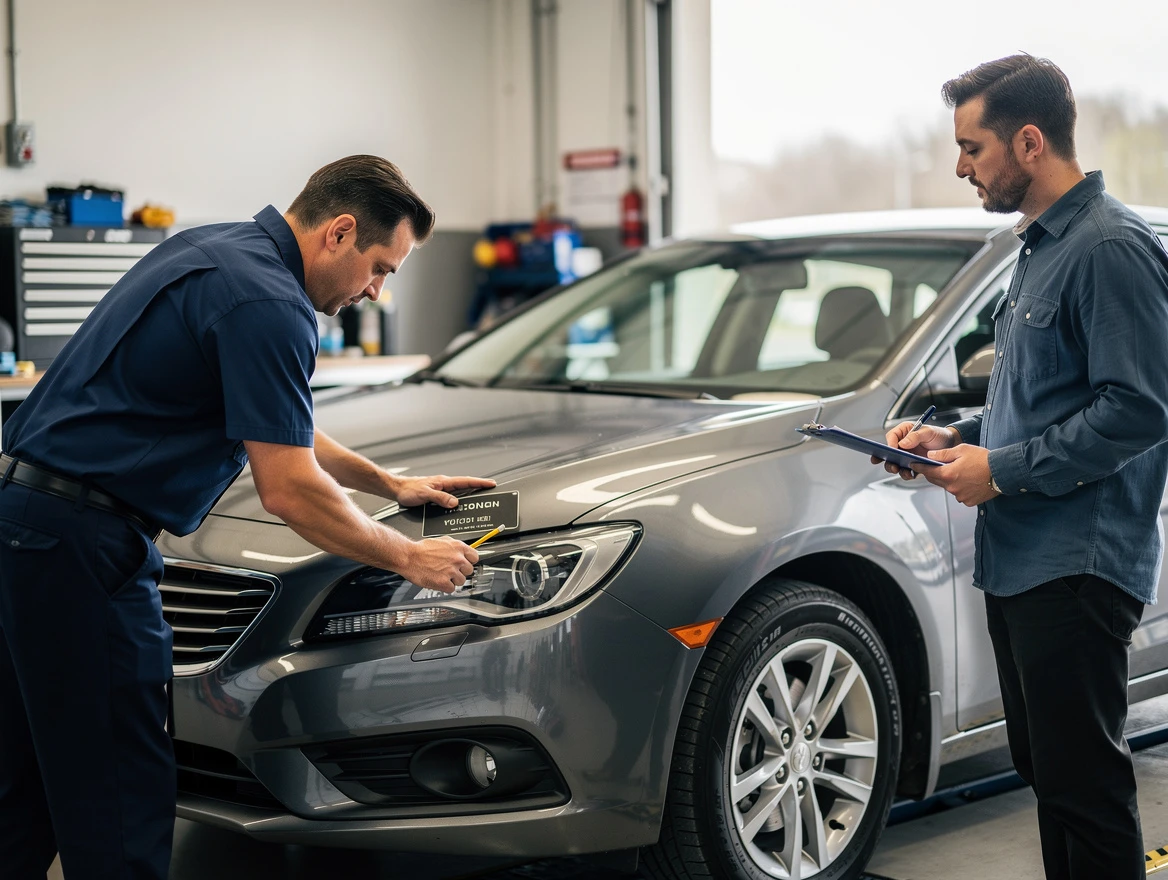
Preparation is the most critical element of a successful VIN inspection. Before arriving, make sure that your vehicle is clean, that all modifications are documented if necessary, and that your paperwork is organized to avoid unnecessary delays at the inspection site.
Ready to register your vehicle?
Join thousands of vehicle owners who use Ride Legal to handle their registration quickly.
Start Your Bespoke Registration →
Locating and Preparing the VIN Plate
Your VIN is typically found on the driver's side dashboard near the windshield, the driver's side door jamb, or the frame of the vehicle. If your vehicle is a custom build or has been modified, make sure the VIN plate is unobstructed. For older or restored vehicles where the plate might be corroded, use a light cleaning agent to make sure it is legible, but be careful not to damage the marker itself.
Gathering Necessary Documentation
In addition to the vehicle, you will typically need the current title, a bill of sale, and identification. If you are working through an out-of-state transfer, keep your previous registration on hand. It is also helpful to have your insurance documents ready. If you find yourself needing further assistance, see how we can help with your VIP Ownership experience by managing the complexities of your title documentation.
What Happens During the Physical Check
An inspector will typically look for the VIN in multiple locations to make sure they match. They check for signs of tampering, such as replaced rivets or mismatched fonts on the plate. In cases involving exotic registration, the inspector may be more thorough given the higher value and increased risk of parts swapping in specialized markets.
| Inspection Type | Requirement | Common Use Case |
|---|---|---|
| Physical Trace | Manual rubbing | Minor title corrections |
| Law Enforcement Check | Sworn verification | Out-of-state/Import transfers |
| Certified Notary | Official signature | General title transfers |
See How We Can Help With Your Vehicle Documentation →
Common Challenges with VIN Inspections and Solutions
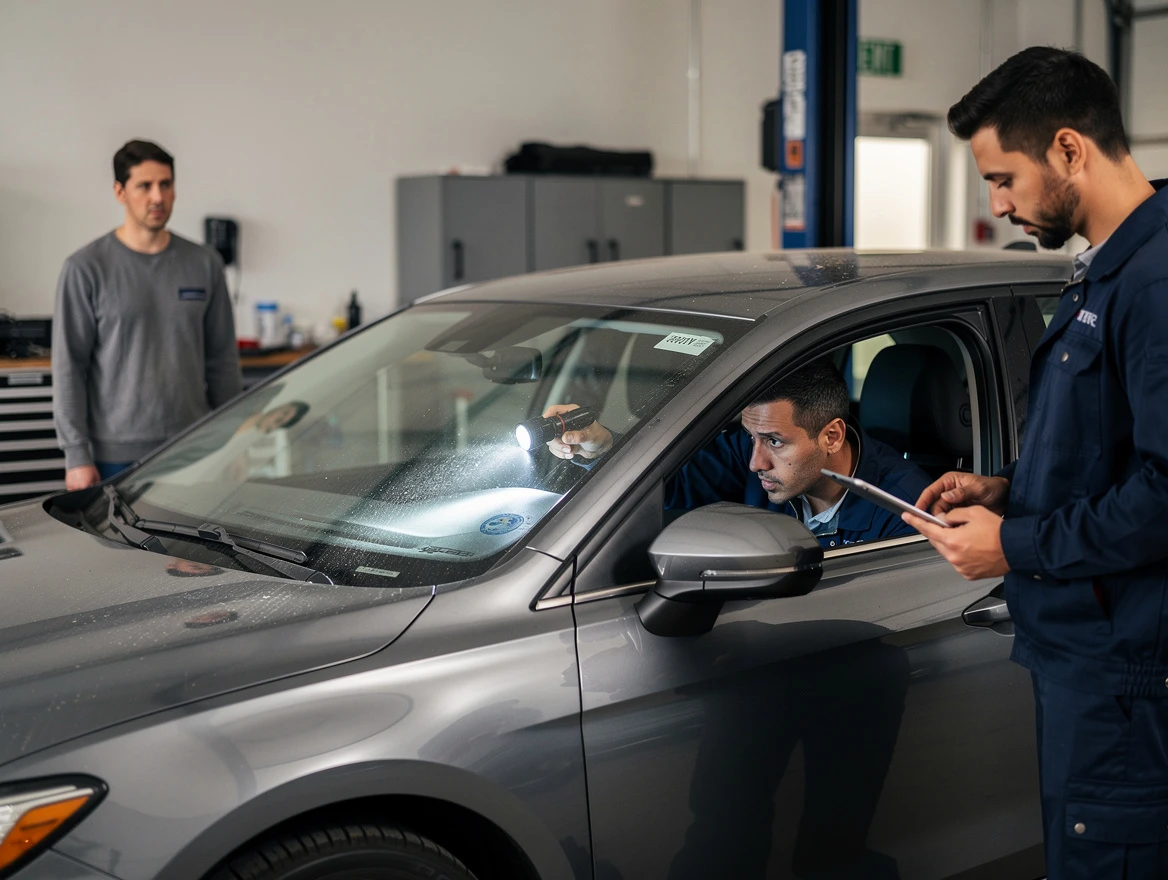
It is not uncommon for inspectors to raise questions about custom-built frames, engine swaps, or vintage vehicles where the original markings have faded. When you are dealing with such complexities, you need a process that anticipates these hurdles rather than reacting to them after a rejection.
Dealing with Damaged or Obscured Numbers
If your VIN plate is damaged, do not attempt to replace it yourself. That is a red flag for inspectors. Instead, document the damage with high-resolution photos and consult with state officials to get a secondary, state-issued VIN assigned to the vehicle. This is often the only way to satisfy requirements for damaged vehicles.
Working Through Modified or Custom Builds
Custom frames often lack a factory-stamped VIN. You may need to have a permanent, serialized plate attached to the frame by an authorized shop before an inspection can be completed. If you are interested in making your custom build or exotic vehicle road-ready, our team provides complete support. For more insight on these challenges, check out our piece on exotic car registration issues and solutions.
When the Inspection Fails
If an inspector refuses to verify your VIN, do not panic. Ask for a written explanation of why the vehicle failed. Often, this is a matter of administrative error or a missing document rather than an issue with the car itself. You can then use that documentation to address the specific problem with your registration specialist.
Frequently Asked Questions About VIN Inspections
Do I always need a VIN inspection for a title transfer?
Not always, but it is standard for out-of-state transfers or vehicles that have been salvaged or reconstructed. Some states require it for every new registration to make sure the vehicle is physically present in the jurisdiction. Always check with your local state office or work with a specialist to determine if yours is mandatory.
Can a VIN check be done remotely?
Generally, a physical VIN inspection requires the vehicle to be present. However, some jurisdictions allow for specific forms to be signed by a local notary or law enforcement officer. If you are struggling with these requirements, our team manages the private registration assistance to help you get the job done right.
What is the difference between a VIN check and a history report?
A VIN inspection confirms the physical existence and identity of the vehicle for state records. A history report, often requested by buyers, uses the VIN to pull data on accidents, service history, and previous owners from national databases. If you need clarity on your vehicle's background, our VIN check service provides the necessary historical data.
What if my vehicle is a vintage model with no VIN?
Vehicles manufactured before 1981 often have non-standard VINs, and some very old models may have no VIN at all. In these cases, you must work with the state to verify the vehicle's identity using engine numbers or original manufacturer plates. This often requires a more intensive application process than a standard title transfer.
How long does a VIN inspection certification last?
Most states require the inspection to be completed within a specific window, often 30 to 90 days before the registration or title application. If your inspection is too old, you will likely be required to pay for and undergo a new verification.
Start Your Bespoke Registration Today, No Hidden Fees
Navigating the requirements for VIN inspections can be a significant hurdle in the registration process. Whether you are managing an out-of-state title transfer or building your dream collection, having clear, actionable information is the best path forward. If you have questions about your specific vehicle or need assistance with the registration process, we are here to simplify every step.
This is not legal or financial advice. Please consult your CPA/Attorney for all legal and financial guidance. Ride Legal is a privately owned website and is not operated by any government agency.