
What Happens If You Move States but Keep Your Old Registration?
05/12/2026 · Ride Legal
When you establish residency in a new state, most jurisdictions require you to update your vehicle registration within a specific timeframe, typically ranging from 30 to 60 days. Failing to transfer your plates and registration can result in fines, impounded vehicles, or complications with insurance claims, as your current policy may not reflect your actual garaging address.
State Laws Mandate Timely Registration Transfers for Relocating Riders
Updated on August 14, 2026
Every state has its own statutes regarding how long a new resident has to register their vehicle locally. Many riders assume that because their registration is active, it remains valid regardless of their physical location. However, state law often ties registration requirements directly to where the owner resides and where the vehicle is primarily operated.
Why Residency Matters for Your Vehicle Documents
Your vehicle registration serves as a government record linking your asset to a specific jurisdiction. When you move, the state where you lived previously no longer has the authority to issue valid tags for your daily driver. Authorities often look for out-of-state plates on vehicles that appear to be parked in one location for long periods, which can trigger investigations or citations for failure to register.
Risk of Inaccurate Insurance Coverage
Insurance companies calculate premiums based on your garaging address, which includes factors like local crime rates, weather risks, and traffic patterns. If you move states but keep your old registration, your insurance provider might deny a claim because the vehicle was not insured in the correct location. We frequently assist owners with resolving paperwork issues because inaccurate documentation often leads to rejected insurance and registration claims.
The Consequences of Maintaining Out-of-State Plates

Ignoring the requirement to update your registration can create significant headaches. Law enforcement agencies maintain the right to verify your residency status if they pull you over, and failing to provide documentation of a recent move can lead to unnecessary fines or mandatory court appearances.
Ready to register your vehicle?
Join thousands of vehicle owners who use Ride Legal to handle their registration quickly.
Start Your Bespoke Registration →
Difficulty With Future Title Transfers
If you wait too long, you might encounter issues when you finally decide to update your documents. A history of lapsed registration or mismatched addresses can make the title transfer process more complex than it needs to be. Working with specialists ensures that your street-legal registration is processed correctly to prevent future administrative delays.
| Risk Factor | Potential Outcome |
|---|---|
| Insurance Mismatch | Claim denial and coverage cancellation |
| Late Registration Fees | Increasing penalties the longer you wait |
| Law Enforcement | Citations, vehicle impoundment, fines |
| Title Issues | Complicated future sales or trades |
See How We Can Help With Your Registration →
How to Properly Manage Your Vehicle Documents During a Move
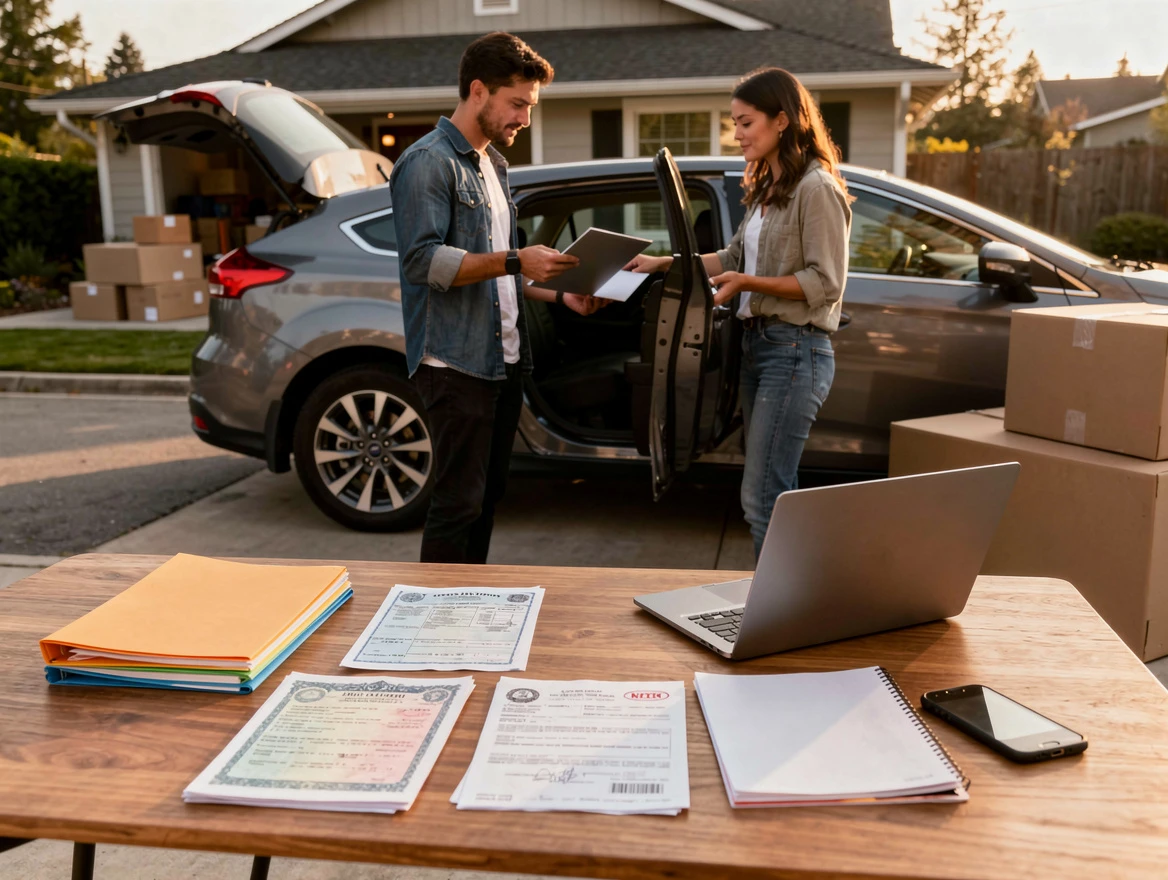
Transitioning your paperwork effectively requires a clear plan. You should first check the specific MVD requirements for your new home state, as some states require a physical inspection of the vehicle or specific documentation regarding the lien holder.
Handling Out-of-State Titles
When moving, your title must be updated to reflect your change in residence, especially if you have a lien on the vehicle. Your lender will need to be involved in the process, as they typically hold the title until the loan is paid off. For high-value or exotic assets, managing these documents requires precise attention to detail to make sure your asset protection remains intact.
When Professional Support is Recommended
Many owners who move between states find that remote paperwork support is the most efficient way to manage the transition. Rather than standing in long lines at a local agency, specialists can help you work through the process of titling and registering your Extraordinary Vehicles through recognized, valid pathways that satisfy local requirements.
Frequently Asked Questions About Moving and Registration
How long do I have to update my registration after moving?
Most states require you to update your vehicle registration within 30 to 60 days. It is vital to check the specific Department of Motor Vehicles or Motor Vehicle Division website for the state where you now reside to avoid penalties.
Will my current insurance cover me if I do not update my registration?
Your insurance provider requires that your garaging address match your actual residency. If your vehicle is registered elsewhere, you may be violating your policy terms, which could lead to denied claims or policy cancellation in the event of an incident.
What happens if I get pulled over with old tags?
If an officer determines that you have established residency in a new state but have not transferred your registration, you may receive a citation. This can involve significant fines and, depending on the jurisdiction, the requirement to appear in court.
Can I keep my old plates indefinitely?
No, you generally cannot keep your old plates if you have officially moved from your residence. Your registration must correspond with the state where the vehicle is primarily kept and operated to remain fully compliant with regional laws.
What should I do if I am moving frequently?
If you are a frequent traveler or have properties in multiple states, you should consult with a specialist to determine the best approach for your motorcycle title and overall registration strategy. There are ways to keep your assets compliant without constantly transferring registration each time you move.
Start Your Bespoke Registration →
Moving states is a significant change, and keeping your vehicle registration current is essential to avoiding unnecessary compliance and financial issues. Whether you need to update your address or are considering a more sophisticated approach to asset management, we provide the support you need to keep your vehicles compliant and ready for the road. Start your registration process today with our specialized team and remove the complexity from your move.
This is not legal or financial advice. Please consult your CPA/Attorney for all legal and financial guidance. Ride Legal is a privately owned website and is not operated by any government agency.