Why Some Vehicles Are Harder to Register Than Others | Ride Legal
05/20/2026 · Ride Legal
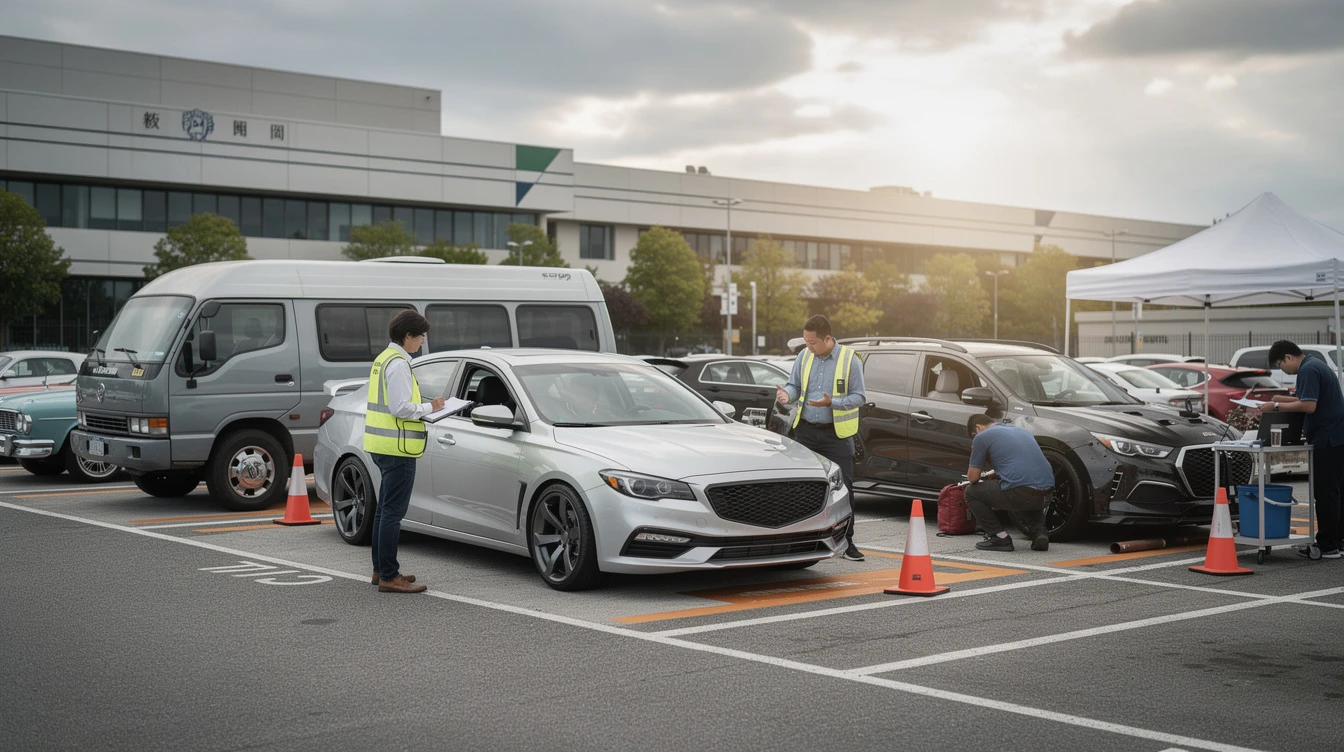
Some vehicles are harder to register than others because they lack standardized manufacturer documentation, possess non-compliant emissions systems, or carry unresolved title histories. These assets often trigger intensive review by state departments because they fall outside the traditional database of passenger vehicles or exhibit red flags during the verification process.
Start Your Bespoke Registration →
Title Documentation Irregularities Cause Most Registration Delays
Updated on August 20, 2026
Vehicles lacking a clean, transferable title represent the most frequent hurdle for owners trying to gain street-legal status. When a title is missing, improperly signed, or carries an active lien, the registration process stalls because the state cannot verify the current ownership interest. Owners often underestimate the impact of small clerical errors on their ability to secure tags.
The Complexity of Bonded Titles
A bonded title is necessary when proof of ownership is absent, yet this path requires obtaining a surety bond for the vehicle's appraised value. This process demands precise paperwork that must satisfy strict state statutes, often taking 4 to 8 weeks depending on the local jurisdiction. Failure to provide exact information can lead to immediate rejection, necessitating a restart of the entire filing.
Resolving Liens
A vehicle with an active lien remains property of the lender, preventing the owner from securing a title in their own name. You must obtain a lien release letter or a stamped title showing the balance is zero before any jurisdiction will process your registration request. We provide DMV paperwork assistance to help you communicate effectively with lienholders and secure the necessary documentation to move forward.
Emissions and Equipment Requirements Vary Significantly by State
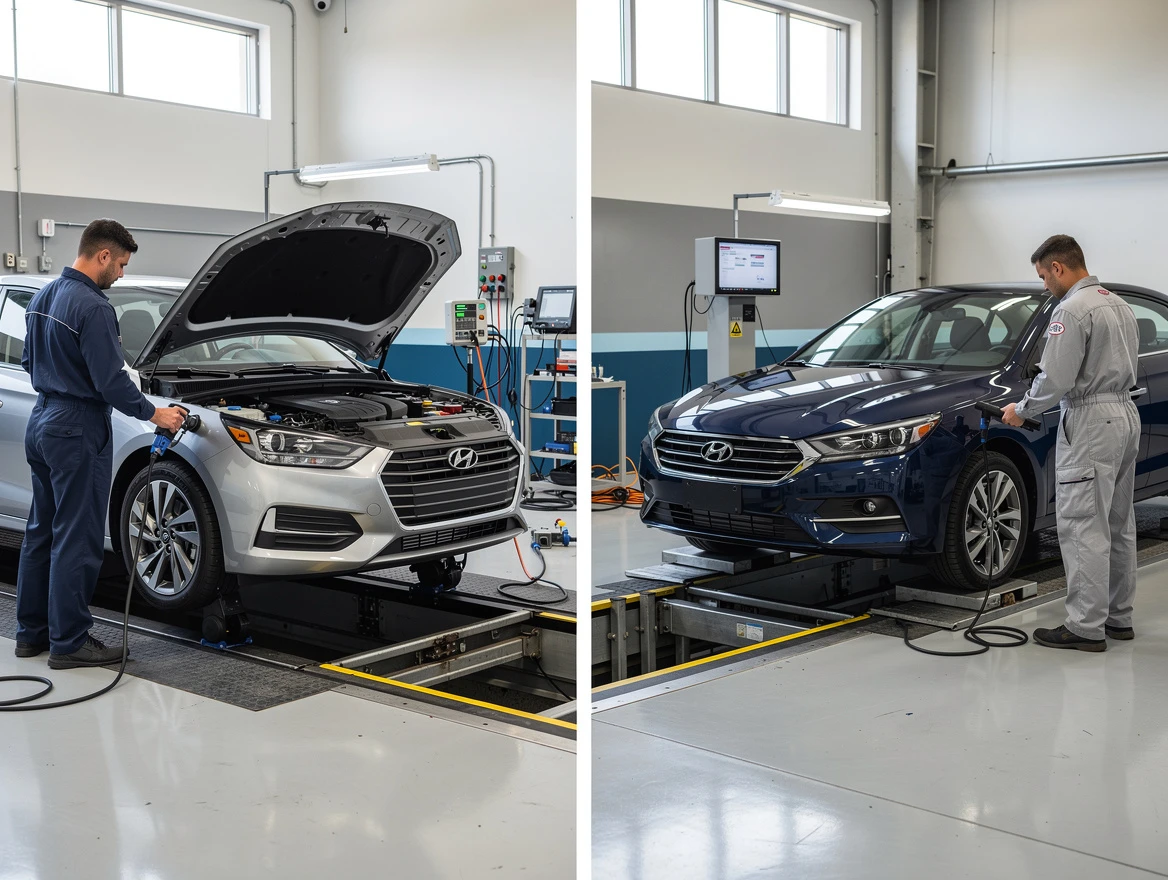
Vehicle registration authorities enforce localized standards that define which specific mechanical profiles are permitted for road use. A motorcycle that meets federal safety guidelines may still fail to comply with strict state-level emissions testing requirements in places like California or New York. These technical barriers frequently force owners to look for remote registration alternatives that bypass the need for invasive local inspections.
Ready to register your vehicle?
Join thousands of vehicle owners who use Ride Legal to handle their registration quickly.
Start Your Bespoke Registration →
Street-Legal Modifications for Powersports
Converting a dirt bike or ATV for street-legal use often requires the addition of mirrors, DOT-approved lighting, a horn, and specific tire tread ratings. Even after these modifications are installed, the local department may deny registration because the VIN classification is restricted to off-road use only. Understanding the specific street-legal registration protocols for your specific VIN is critical to avoiding wasted time.
The 2026 Landscape of State Compliance
Different states update their equipment requirements annually, making it difficult for enthusiasts to stay informed. Many owners find that registering through a Montana LLC provides a stable framework that remains consistent, regardless of frequent regulatory shifts in their home state. How to Register a Dirt Bike for Road Use Without the Headaches outlines how to work through these equipment hurdles effectively.
| Feature | Traditional DMV | Remote Registration Support |
|---|---|---|
| Timeline | Weeks to Months | As efficient as possible |
| Documentation | Self-managed | Professional review |
| Compliance | Variable | Proactive monitoring |
| Emissions Testing | Often required | Not required in Montana |
Off-Road and Non-Standard VINs Face Heightened Scrutiny
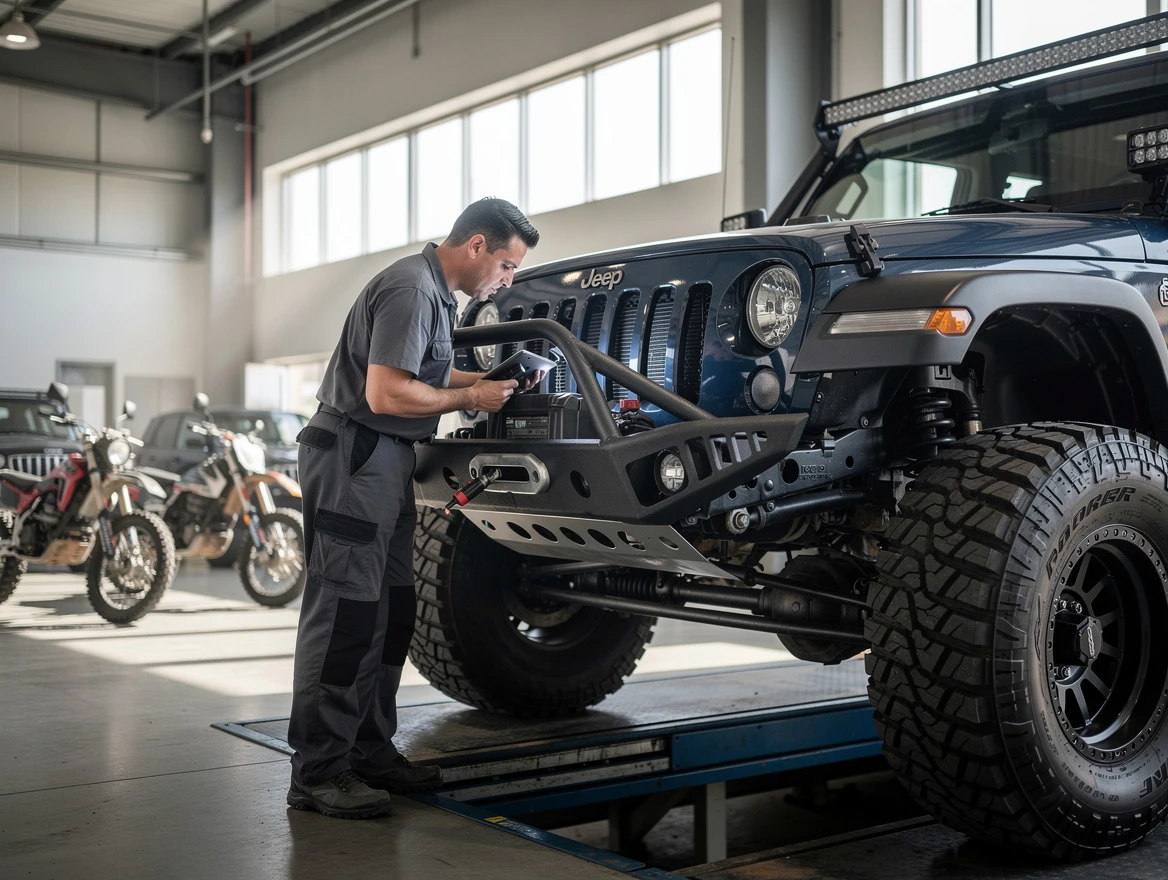
Vehicles built specifically for off-road environments often have VINs that trigger automatic flagging in state computer systems. Departments typically limit registration to specific vehicle types, meaning an ATV or side-by-side will encounter immediate rejection at a local office. Expert guidance is often required to correctly classify these assets and present the case to the appropriate authorities.
Why VIN Classification Matters
The first character of a VIN identifies the country of origin, while other segments identify the manufacturer and vehicle type. Modern DMV systems use these codes to instantly reject applications for vehicles not designated for highway use. If your registration is currently blocked, it is likely because your VIN is locked in a database that prevents standard highway-use issuance.
The Role of Independent Registration Specialists
Registration specialists understand how to manage documentation for non-standard assets that typical DMV staff might reject. By providing accurate support, these services help make sure that your application for a Montana LLC registration follows the necessary, specific guidelines. You can read more about this in our guide to What's the Easiest Way to Register a Vehicle?
Frequently Asked Questions
Why was my vehicle registration application rejected?
Applications are typically rejected due to incomplete forms, missing signatures, or non-compliant VIN status. Common issues involve incorrect sales tax calculations or a failure to provide proof of insurance that meets state-specific requirements. Ensuring all documents are reviewed for accuracy before submission is the best way to prevent these outcomes.
Can I register a vehicle in another state without living there?
Yes, many vehicle owners establish a Montana LLC to hold their assets and help with registration. This is a common practice for exotic, off-road, and classic vehicles that are difficult to register locally. The LLC acts as the owner, which allows the vehicle to be registered under the business entity.
How long does the registration process take?
The timeline varies significantly based on the state and the complexity of your documentation. While a standard transfer might take a few weeks, complex cases involving bonded titles or out-of-state VINs can take longer. We work to provide the most efficient path forward for your specific situation.
Do I need to visit the DMV in person?
We manage the out-of-state paperwork with our paperwork support, so you do not need to spend time in local DMV lines. By utilizing remote filing services, we handle the communications with the necessary authorities, allowing you to focus on enjoying your vehicle rather than sitting in a waiting room.
Are there specific fees for registering an exotic vehicle?
Exotic vehicles often carry higher registration fees based on their value or weight in certain jurisdictions. Montana, however, does not charge sales tax, which can save owners thousands of dollars on expensive asset registration. Always check current Montana Motor Vehicle Division requirements to understand the total cost of ownership.
Start Your Bespoke Registration →
Understanding why some vehicles are harder to register than others is the first step toward finding a viable path to road compliance. By addressing title, VIN, and equipment issues with professional guidance, you can secure your registration without the usual frustrations. Whether you own an exotic motorcycle or an off-road beast, there is a clear, compliant way to manage your paperwork and get on the road.
This is not legal or financial advice. Please consult your CPA/Attorney for all legal and financial guidance. Ride Legal is a privately owned website and is not operated by any government agency.